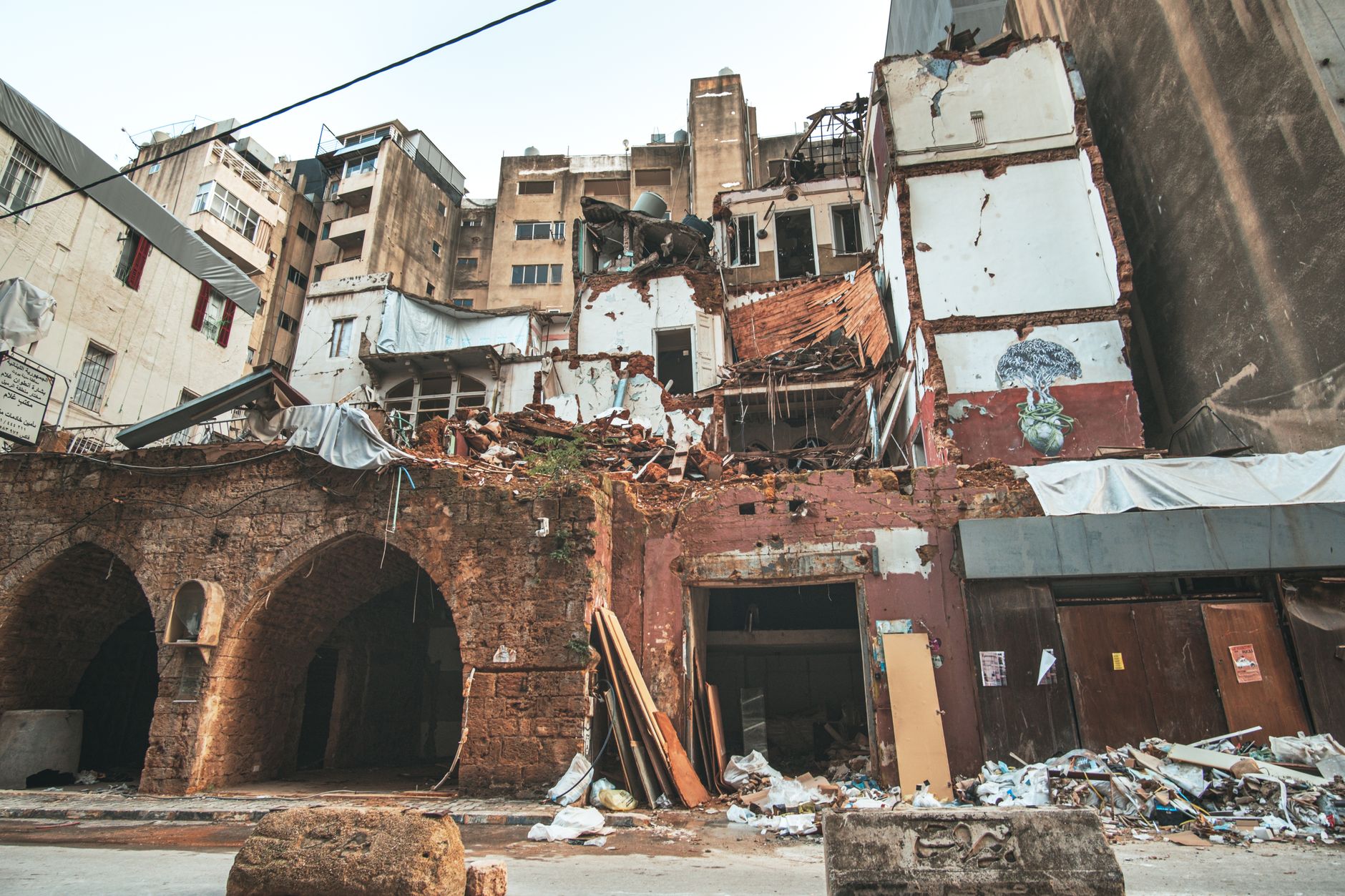
The lebanon conflict has taken a devastating turn, with Israeli strikes on southern Lebanon resulting in the deaths of at least 7 people, including 2 children, just hours after reports of a ceasefire agreement emerged. This recent escalation has sparked concerns over the fragile peace in the region and the potential implications for the US-Iran deal. The conflict in Lebanon has been ongoing for years, with periods of relative calm punctuated by outbreaks of violence.
The latest incident has raised questions about the effectiveness of ceasefire agreements and the ability of parties involved to uphold them. The international community has called for restraint and a return to negotiations, but the situation on the ground remains volatile. The lebanon conflict has significant implications for regional stability, with the potential to draw in other countries and exacerbate existing tensions.
History of the Lebanon Conflict
The lebanon conflict has its roots in the complex history of the region, with various factions and interests vying for power. The conflict has involved multiple countries, including Israel, Iran, and Syria, and has resulted in significant human suffering and displacement. Understanding the historical context of the conflict is essential to grasping the current situation and the challenges involved in resolving it.
The conflict has also had a profound impact on the people of Lebanon, with many forced to flee their homes and seek refuge in other countries. The humanitarian situation is dire, with limited access to basic necessities like food, water, and healthcare. The international community has a critical role to play in providing support and assistance to those affected by the conflict.
Regional Implications
The lebanon conflict has significant implications for regional stability, with the potential to draw in other countries and exacerbate existing tensions. The conflict has already had a destabilizing effect on the region, with neighboring countries feeling the impact of the violence and instability. The situation is further complicated by the involvement of external powers, including the US and Iran, which have competing interests in the region.
The US-Iran deal, which is currently under threat, has the potential to further destabilize the region if it collapses. The deal, which was negotiated to limit Iran’s nuclear program, has been seen as a crucial step towards reducing tensions in the region. However, the recent escalation of the lebanon conflict has raised concerns about the ability of the parties involved to uphold their commitments.
Key Players and Interests
- Israel: seeking to protect its borders and interests in the region
- Iran: seeking to expand its influence and protect its allies in the region
- US: seeking to maintain stability and limit the spread of extremism
- Syria: seeking to regain control over its territory and protect its interests
- Lebanon: seeking to maintain its sovereignty and protect its people
The lebanon conflict is a complex and multifaceted issue, with various players and interests involved. Understanding the motivations and goals of each party is essential to grasping the dynamics of the conflict and the challenges involved in resolving it. The situation on the ground remains volatile, with the potential for further escalation and destabilization.
Conclusion and Next Steps
The lebanon conflict is a pressing issue that requires immediate attention and action. The international community has a critical role to play in providing support and assistance to those affected by the conflict, as well as in promoting a peaceful resolution to the conflict. The US-Iran deal, which is currently under threat, has the potential to further destabilize the region if it collapses. The situation is complex and challenging, but a peaceful resolution is essential to maintaining regional stability and protecting the people of Lebanon.
Source: npr.org.






Be First to Comment