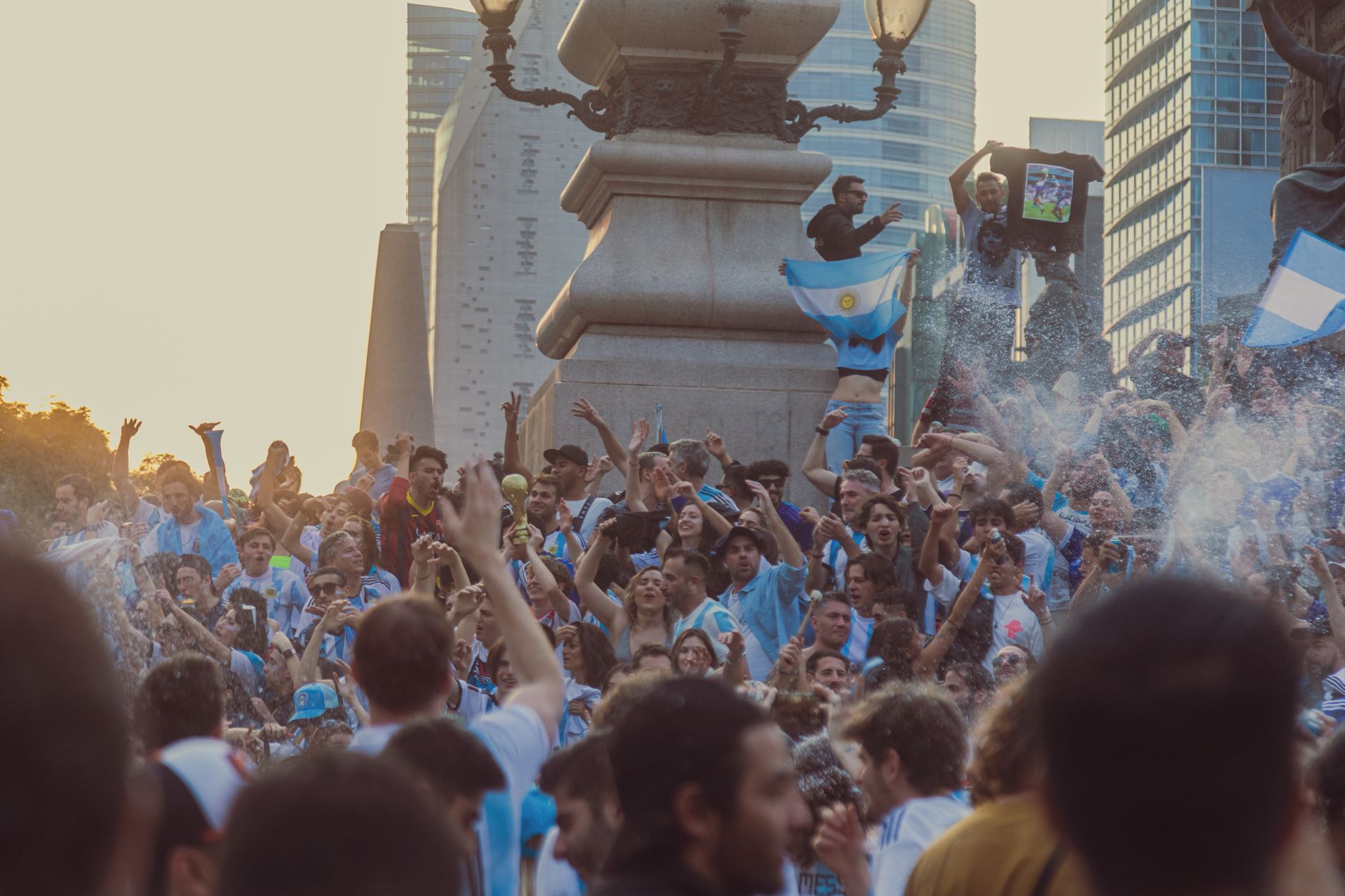
The World Cup, one of the most highly anticipated sporting events globally, has commenced in Mexico. The opening ceremony, which took place at the Azteca stadium, featured a star-studded lineup, including a performance by renowned singer Shakira. However, the festivities were not without incident, as sporadic clashes between police and protesters were reported around the stadium.
Background to the Protests
The protests surrounding the World Cup in Mexico are multifaceted, reflecting various grievances and concerns among the populace. Some of the issues include the significant financial investment in the tournament, which some argue could have been better spent on addressing pressing social and economic challenges within the country. Additionally, there are concerns about the potential for human rights violations, particularly in the context of policing and crowd control during the event.
These protests are not isolated to the World Cup but are part of a broader landscape of social and political unrest in Mexico. The country has been grappling with issues such as corruption, inequality, and violence, and the World Cup has become a focal point for expressing these grievances.
The Opening Ceremony
Despite the tensions outside the stadium, the opening ceremony itself was a celebration of football, music, and culture. The event featured a range of performances, including traditional Mexican music and dance, as well as international acts like Shakira. The ceremony aimed to showcase the hospitality and vibrant culture of Mexico, setting a positive tone for the tournament.
The inclusion of Shakira, known for her energetic performances and commitment to social causes, added a layer of excitement and relevance to the event. Her music often carries messages of empowerment and unity, themes that are particularly resonant in the context of international sporting events like the World Cup.
Implications and Questions to Watch
As the World Cup progresses, several factors will be worth observing. Firstly, how the Mexican authorities manage the protests and ensure the safety of both protesters and spectators will be under scrutiny. The balance between allowing peaceful protest and maintaining order is a delicate one, and any mishandling could lead to further unrest.
Additionally, the economic impact of the World Cup on Mexico will be an area of interest. While the tournament is expected to bring in significant revenue from tourism and sponsorships, there are also concerns about the distribution of these funds and whether they will benefit the broader population or merely enrich a small elite.
- The response of the international community to the protests and any human rights issues that arise during the tournament.
- The long-term legacy of the World Cup for Mexico, including any potential for social and economic development.
- The role of figures like Shakira in using their platforms to address social issues during high-profile events.
Conclusion
The World Cup in Mexico has begun with a mix of celebration and contention. As the tournament unfolds, it will be important to monitor not only the football matches but also the social and political context in which they are taking place. The event has the potential to bring people together in a shared experience of sportsmanship and cultural exchange, but it also highlights deeper issues that require attention and resolution.
Source: bbc.com.





Be First to Comment