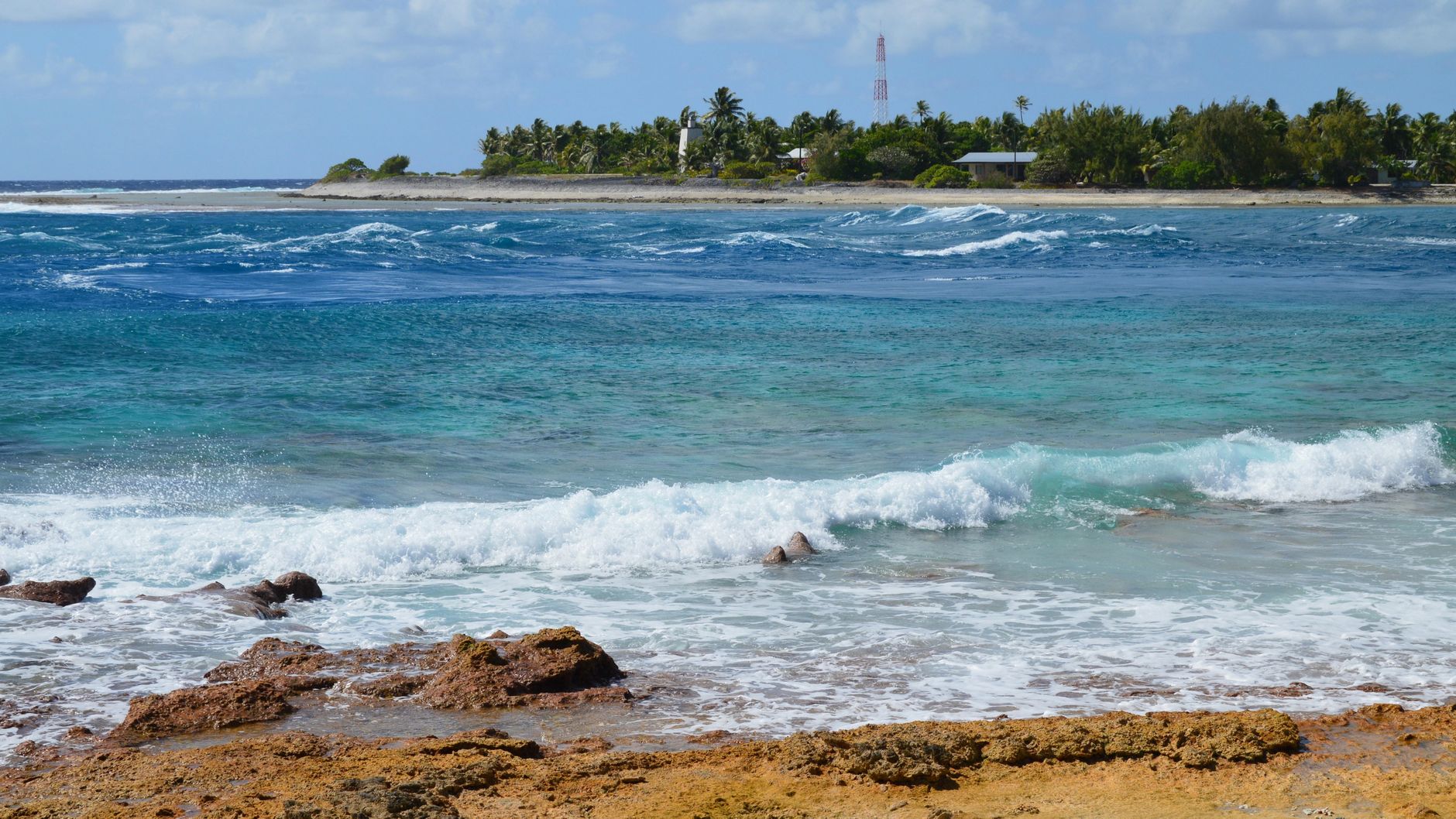
The Pacific Island country of Nauru has undergone a significant transformation with its recent name change to the Republic of Naoero, as announced by its president. This change aims to match the spelling and pronunciation in the national language, reflecting the country’s commitment to preserving its cultural heritage. The world’s 3rd-smallest country, Nauru, has a population of approximately 11,000 people and is located northeast of Australia.
Nauru’s history dates back to the early 20th century when it was a German colony. After World War I, the island was mandated to Australia by the League of Nations. Nauru gained independence in 1968 and has since been a member of the Commonwealth of Nations. The country’s economy has historically been driven by phosphate mining, which has had both positive and negative impacts on the environment and the local population.
Nauru Name Change: A New Era
The name change from Nauru to Naoero is seen as a significant step towards reclaiming the country’s cultural identity. The new name is expected to promote a sense of national pride and unity among the Nauruan people. This change also reflects the country’s efforts to revitalize its language and cultural practices, which have been influenced by external factors over the years.
The implications of this name change are multifaceted. On one hand, it may lead to increased recognition and respect for the country’s cultural heritage. On the other hand, it may also pose challenges in terms of international recognition and diplomatic relations. As the country navigates this transition, it will be essential to balance its cultural aspirations with the demands of the global community.
Background and Context
Nauru’s name change is not an isolated incident. Many countries have undergone name changes throughout history, often driven by political, cultural, or social factors. For example, the country formerly known as Burma changed its name to Myanmar in 1989, while the country formerly known as Ceylon changed its name to Sri Lanka in 1972.
These changes often reflect a country’s evolving identity and its aspirations for the future. In the case of Nauru, the name change to Naoero is seen as a step towards reasserting the country’s cultural identity and promoting a sense of national pride.
Implications and Questions to Watch
The name change from Nauru to Naoero raises several questions about the country’s future. How will the international community respond to this change? Will it lead to increased recognition and respect for the country’s cultural heritage? What implications will it have for the country’s diplomatic relations and economic development?
- How will the name change affect the country’s tourism industry?
- What measures will be taken to promote the new name and raise awareness about the country’s cultural heritage?
- How will the name change impact the country’s relationships with neighboring countries and international organizations?
As Nauru navigates this transition, it will be essential to address these questions and ensure that the name change has a positive impact on the country and its people.
Conclusion and Future Prospects
In conclusion, the name change from Nauru to Naoero marks a significant milestone in the country’s history. As the world’s 3rd-smallest country, Nauru faces unique challenges and opportunities. The name change is a step towards reclaiming the country’s cultural identity and promoting a sense of national pride. As the country looks to the future, it will be essential to balance its cultural aspirations with the demands of the global community.
Source: npr.org.






Be First to Comment