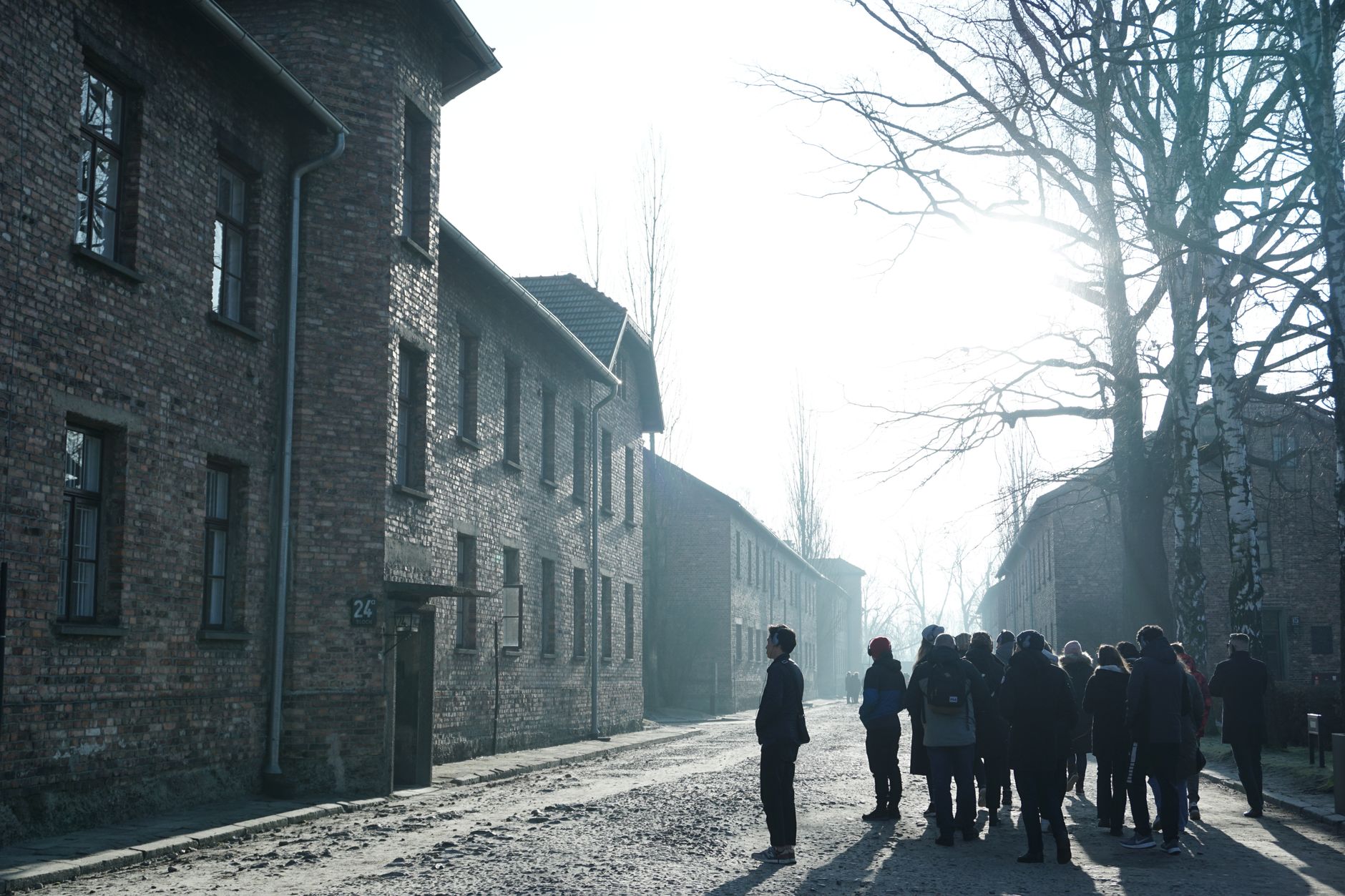
The nazi birthplace, a 17th-Century former inn in Austria, has been a subject of controversy for years. The building, where the Nazi dictator was born, has been a point of contention, with many questioning what to do with the site. Recently, the site has been transformed into a police station, in an effort to rid the location of its dark history.
This transformation is a significant step towards reclaiming the site and moving away from its association with the Nazi regime. The police station is expected to bring a sense of normalcy and stability to the area, and help to shift the focus away from the building’s infamous past.
Nazi Birthplace: A Dark History
The nazi birthplace has a long and complex history, dating back to the 17th Century. The building has been used for various purposes over the years, including as a inn, a school, and even a museum. However, its most infamous use was as the birthplace of the Nazi dictator, which has made it a site of pilgrimage for some, and a source of controversy for others.
Many have argued that the site should be used as a reminder of the atrocities committed by the Nazi regime, and as a warning against the dangers of extremism. Others have suggested that the site should be demolished, in an effort to erase the dark history associated with it.
The Transformation Process
The transformation of the nazi birthplace into a police station has been a long and complex process. The project has involved significant renovations, including the removal of any remaining Nazi-era artifacts and the installation of new facilities and equipment. The police station is expected to be fully operational in the near future, and will provide a range of services to the local community.
The transformation has not been without its challenges, however. Many have expressed concerns about the potential impact on the local community, and the potential for the site to become a target for extremist groups. However, the authorities have taken steps to mitigate these risks, including the installation of security cameras and the deployment of additional police officers to the area.
Implications and Questions to Watch
The transformation of the nazi birthplace into a police station raises a number of important questions about how we deal with difficult history. How can we balance the need to remember and learn from the past, with the need to move forward and create a more positive future? What role can sites like the nazi birthplace play in promoting tolerance and understanding, and how can we ensure that they are used in a way that is respectful and responsible?
- The impact of the transformation on the local community
- The potential for the site to become a target for extremist groups
- The role of the police station in promoting tolerance and understanding
- The potential for the site to be used as a tool for education and outreach
- The need for ongoing monitoring and evaluation of the site’s use and impact
Conclusion
The transformation of the nazi birthplace into a police station is a significant step towards reclaiming the site and moving away from its association with the Nazi regime. While there are still many challenges to be addressed, the project has the potential to promote tolerance and understanding, and to provide a positive and constructive use for a site with a difficult history. As we move forward, it will be important to continue to monitor and evaluate the site’s use and impact, and to ensure that it is used in a way that is respectful and responsible.
Source: bbc.co.uk.






Be First to Comment