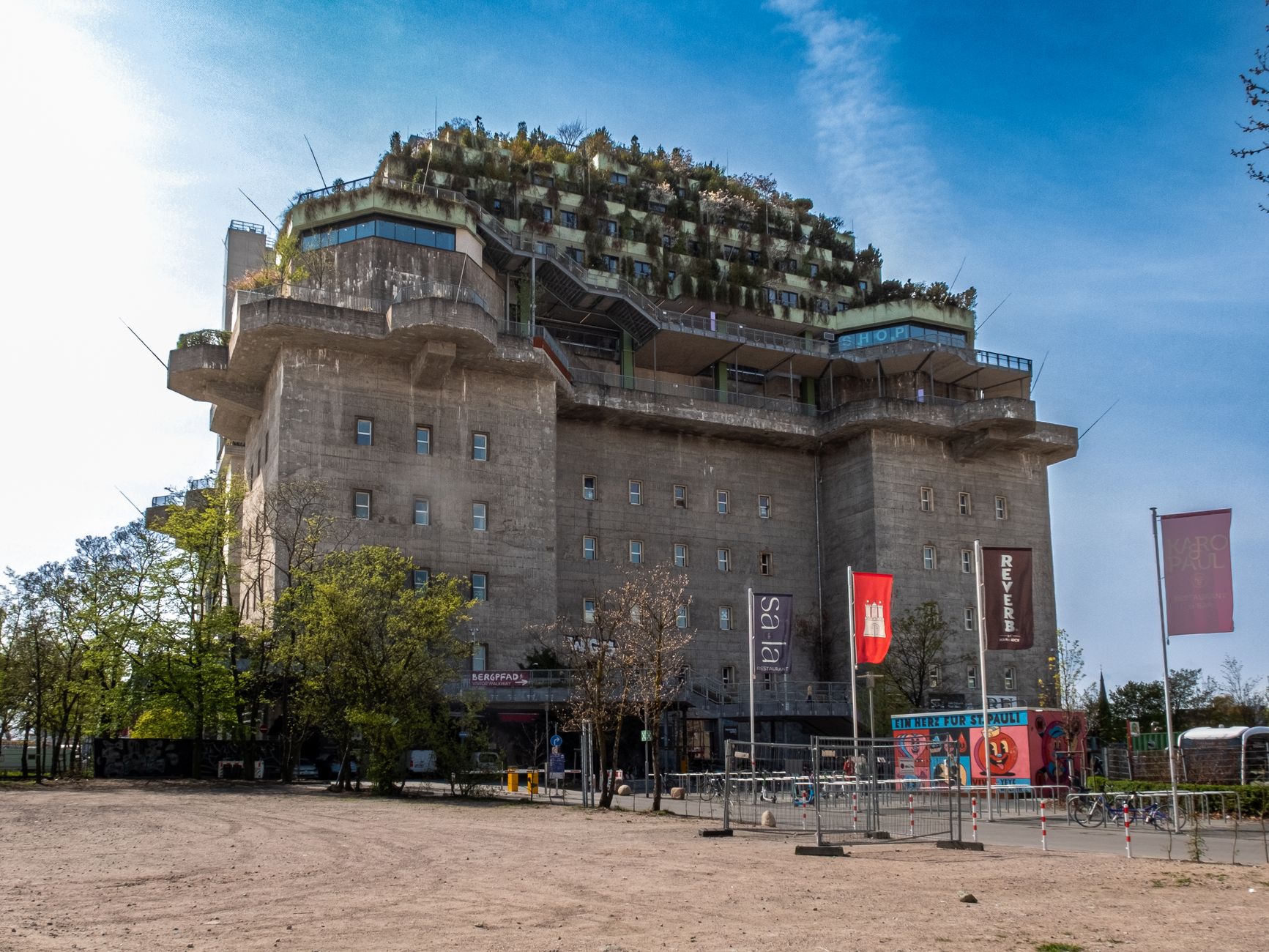
Berlin’s nazi bunker has become the centre of a heated debate, as city officials plan to demolish the historic site to build flats. The nazi bunker, located in the city centre, has been a part of Germany’s history for decades. However, the plan to demolish it has sparked controversy among locals and historians, who argue that it should be preserved as a reminder of the country’s past.
The debate surrounding the nazi bunker is not just about preserving history, but also about the city’s approach to its cultural heritage. While some argue that the site is a reminder of a dark period in Germany’s history, others see it as an opportunity to build new homes and revitalize the area.
Nazi Bunker History
The nazi bunker was built during World War II, as a command centre for the German military. It was designed to be a secure location, where military leaders could coordinate their efforts and plan their strategies. The bunker was also equipped with advanced technology, including communication systems and surveillance equipment.
After the war, the nazi bunker was abandoned and left to decay. However, in recent years, there has been a growing interest in preserving the site as a historical landmark. Many argue that the bunker is an important part of Germany’s history, and that it should be preserved as a reminder of the country’s past.
Preservation Efforts
There are several reasons why the nazi bunker should be preserved. Firstly, it is an important part of Germany’s history, and it provides a unique insight into the country’s past. Secondly, the bunker is a significant architectural landmark, and it is an example of the advanced technology and engineering that was used during World War II.
Finally, preserving the nazi bunker could also have economic benefits for the city. If the site is preserved and opened to the public, it could become a tourist attraction, generating revenue and creating jobs. This could also help to promote the city’s cultural heritage, and to raise awareness about the importance of preserving historical landmarks.
- Promoting cultural heritage
- Generating revenue
- Creating jobs
Nazi Bunker Demolition Plan
Despite the arguments in favour of preserving the nazi bunker, the city officials are still planning to demolish the site. They argue that the area is in need of new housing, and that the bunker is taking up valuable space. However, many are opposed to the plan, and they are fighting to save the historic site.
The controversy surrounding the nazi bunker is not just about the site itself, but also about the city’s approach to its cultural heritage. It raises questions about the importance of preserving historical landmarks, and about the role that these sites play in promoting cultural heritage.
Conclusion
In conclusion, the nazi bunker in Berlin is a significant historical landmark that should be preserved. The site provides a unique insight into Germany’s past, and it is an important part of the country’s cultural heritage. While the city officials may see the site as a opportunity to build new homes, it is essential to consider the long-term benefits of preserving the nazi bunker. By doing so, the city can promote its cultural heritage, generate revenue, and create jobs, while also preserving an important part of its history.
Source: bbc.co.uk.






Be First to Comment