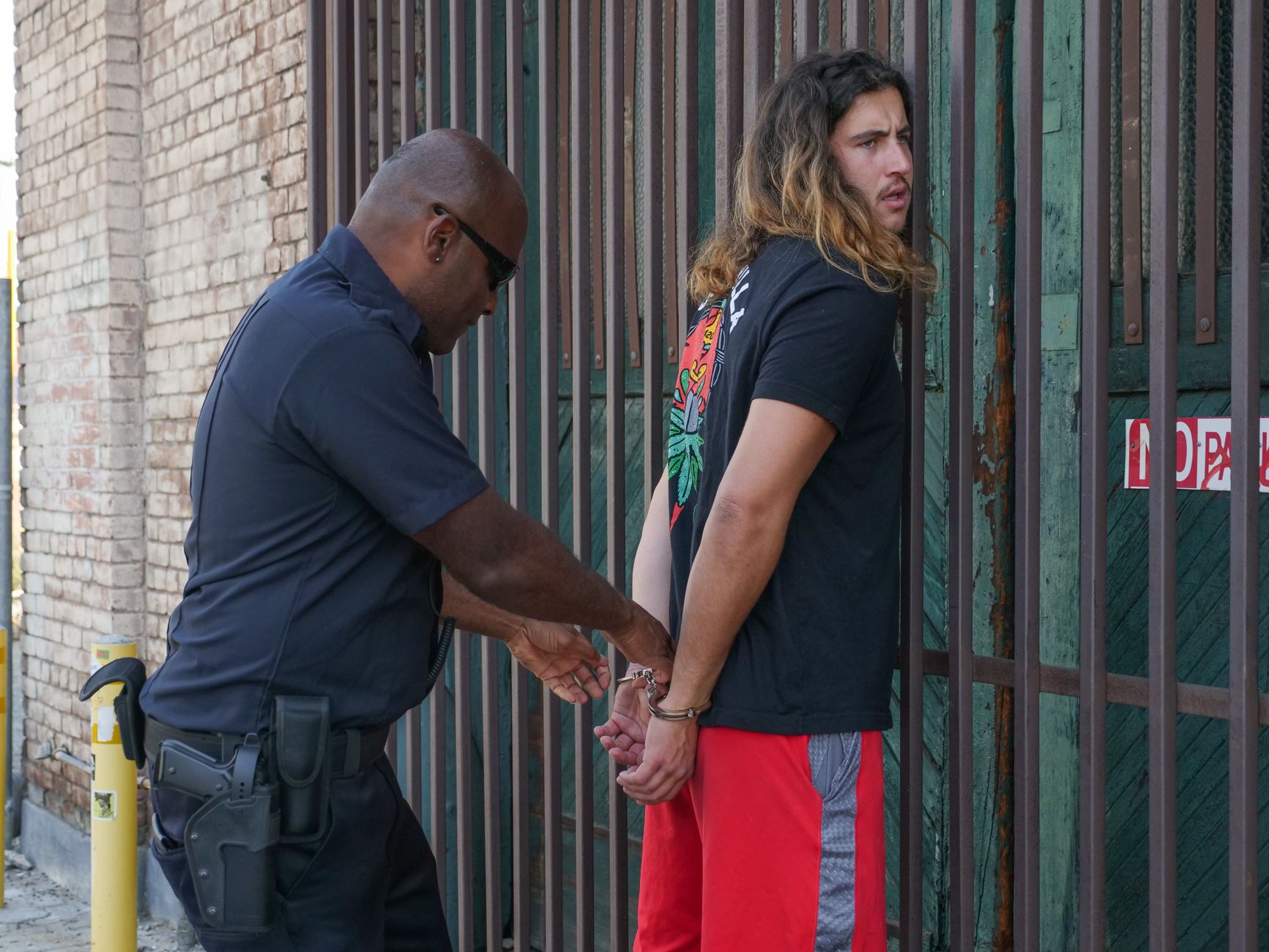
Netanyahu arrest has become a highly contentious issue, with the Israeli Prime Minister facing intense scrutiny over his alleged war crimes. Netanyahu arrest threats have been issued by the International Criminal Court, sparking a heated debate over the legitimacy of such warrants. The ICC has been investigating Netanyahu for several years, with many calling for his arrest and prosecution.
The latest development in the Netanyahu arrest saga came when NYC Mayor Mamdani threatened to arrest Netanyahu, only to walk back his statement later. This move has been seen as a significant escalation of the situation, with many questioning the legal implications of such a threat. The Netanyahu arrest controversy has sparked a global debate, with many world leaders weighing in on the issue.
Netanyahu Arrest: Understanding the ICC Warrants
The ICC has issued several warrants for Netanyahu’s arrest, citing his alleged involvement in war crimes. The warrants are based on evidence gathered by the ICC, which claims that Netanyahu was responsible for a number of human rights abuses during his time in office. The Netanyahu arrest warrants have been met with resistance from Israel, which has refused to recognize the ICC’s authority.
The Netanyahu arrest controversy has significant implications for international law and diplomacy. Many are watching the situation closely, as it has the potential to set a precedent for future cases. The ICC’s ability to issue warrants for the arrest of world leaders is a relatively new development, and the Netanyahu case is being seen as a test of the court’s authority.
Global Reactions to the Netanyahu Arrest Threats
The Netanyahu arrest threats have sparked a range of reactions from world leaders. Some have expressed support for the ICC’s efforts to hold Netanyahu accountable, while others have criticized the court’s actions as an overreach of its authority. The US has been particularly vocal in its opposition to the ICC’s warrants, with many lawmakers arguing that the court has no jurisdiction over Israeli citizens.
- The EU has expressed support for the ICC’s efforts to investigate war crimes
- The US has opposed the ICC’s warrants, citing concerns over jurisdiction
- Israel has refused to recognize the ICC’s authority, sparking a diplomatic row
The Netanyahu arrest controversy is likely to continue for some time, with many questions still unanswered. Will the ICC be able to enforce its warrants, or will Netanyahu remain immune from prosecution? How will the international community respond to the situation, and what implications will it have for global diplomacy?
Implications and Questions to Watch
The Netanyahu arrest controversy has significant implications for international law and diplomacy. As the situation continues to unfold, there are several key questions to watch. Will the ICC be able to enforce its warrants, and what will be the consequences for Netanyahu and Israel? How will the international community respond to the situation, and what impact will it have on global diplomacy? The answers to these questions will be closely watched in the coming months, as the world waits to see how the Netanyahu arrest controversy will play out.
Conclusion and Next Steps
In conclusion, the Netanyahu arrest controversy is a complex and highly contentious issue, with significant implications for international law and diplomacy. As the situation continues to unfold, it is likely that we will see a range of reactions from world leaders and the international community. The Netanyahu arrest threats have sparked a global debate, and it will be interesting to see how the situation develops in the coming months.
Source: bbc.co.uk.






Be First to Comment