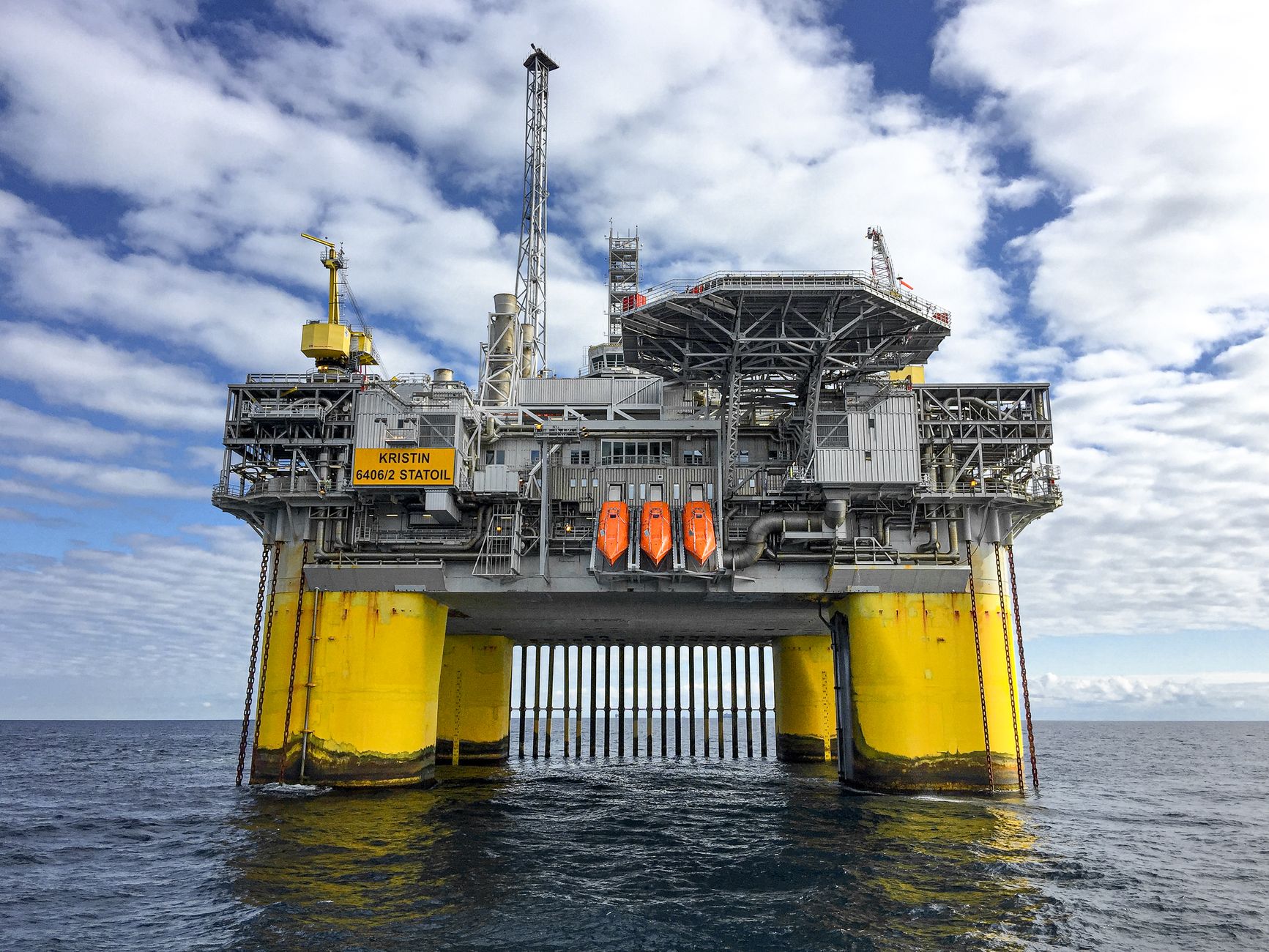
The north sea oil industry is facing a significant shift as BP puts its business up for sale, ending 60 years of production in the region. This decision follows a review of BP’s operations and is set to have a major impact on the industry. The north sea oil industry has been a key player in the global energy market for decades, with BP being one of the major operators in the region.
The history of north sea oil dates back to the 1960s, when the first oil discoveries were made in the region. Since then, the industry has grown significantly, with many major oil companies operating in the area. However, in recent years, the industry has faced significant challenges, including declining oil prices and increasing production costs.
North Sea Oil: A Brief History
The north sea oil industry has a rich history, with many significant discoveries and developments over the years. The first major discovery was made in 1969, and since then, the industry has grown rapidly. The 1970s and 1980s saw a significant increase in production, with many new fields being developed. However, in the 1990s and 2000s, the industry began to decline, as oil prices fell and production costs increased.
Despite these challenges, the north sea oil industry remains an important player in the global energy market. The region is home to many significant oil fields, including the Forties field, which is one of the largest oil fields in the North Sea. The industry also supports a significant number of jobs, both directly and indirectly, and is an important contributor to the local economy.
Implications of the Sale
The sale of BP’s north sea oil business is set to have significant implications for the industry. The decision is likely to lead to a major restructuring of the company, with many jobs potentially at risk. The sale is also likely to have a significant impact on the local economy, as the industry is a major contributor to the region.
The implications of the sale are not just limited to the industry itself, but also to the environment. The north sea oil industry has a significant environmental impact, with many concerns over the effects of oil production on the marine ecosystem. The sale of BP’s business is likely to lead to a significant reduction in the company’s environmental footprint, as the new owner is likely to have different environmental policies.
What’s Next for North Sea Oil?
The sale of BP’s north sea oil business is just the latest development in the industry. The future of north sea oil is uncertain, with many challenges facing the industry. However, there are also many opportunities, as the industry looks to new technologies and innovations to reduce costs and increase production.
Some of the key trends and developments to watch in the north sea oil industry include:
- Increased focus on renewable energy sources
- Development of new technologies to reduce costs and increase production
- Greater emphasis on environmental sustainability
- Increased investment in the industry
- Changes in government policies and regulations
Conclusion
The north sea oil industry is facing a significant shift as BP puts its business up for sale, ending 60 years of production in the region. The implications of the sale are far-reaching, with significant impacts on the industry, the local economy, and the environment. As the industry looks to the future, there are many challenges and opportunities ahead, and it will be important to watch how the industry develops in the coming years.
Source: bbc.co.uk.






Be First to Comment