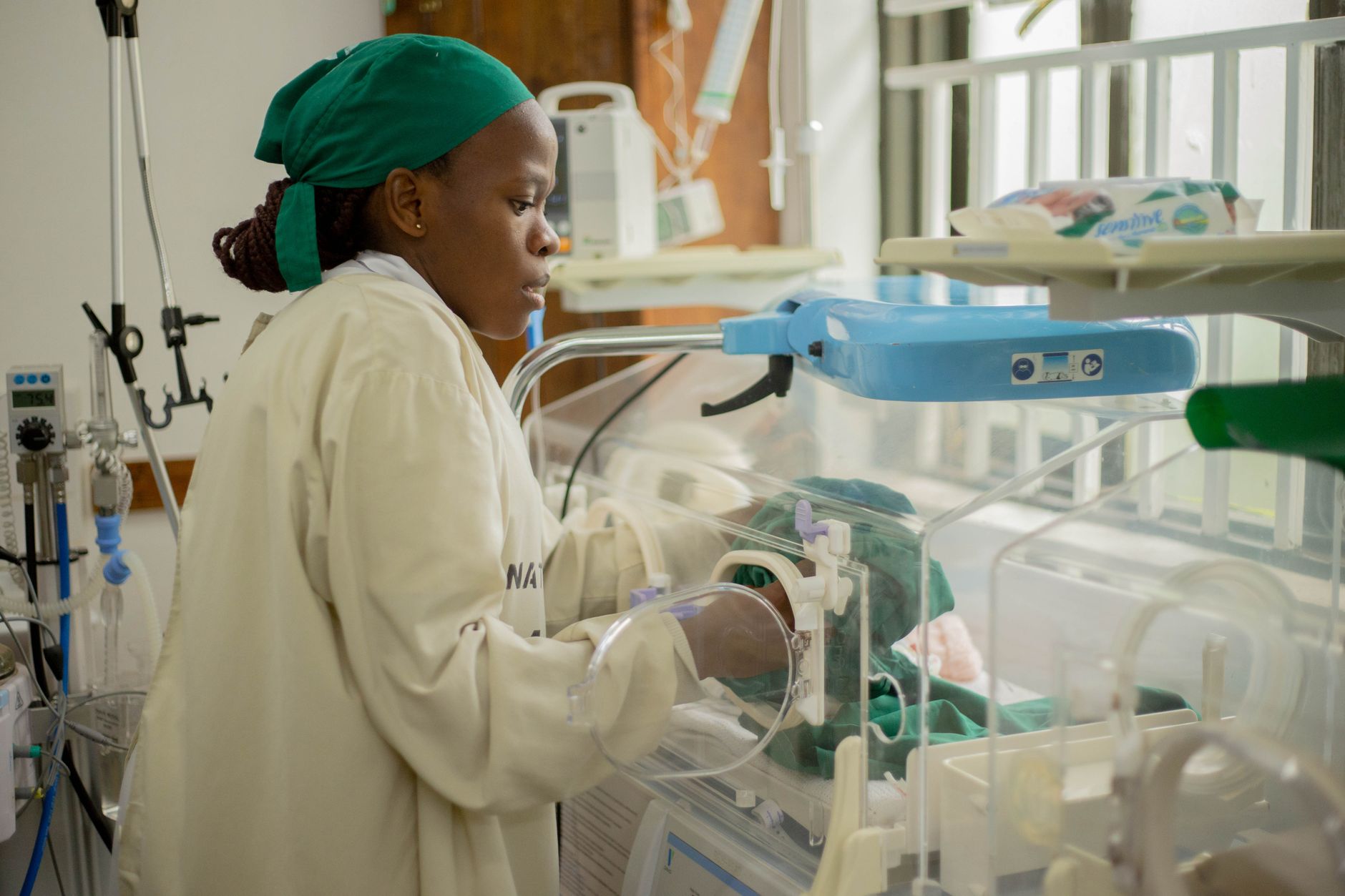
Premature birth is a significant concern in the Pakistani fishing settlement of Rehri Goth, where about 1 in 4 babies are born prematurely. This high rate of premature birth has sparked concern among researchers, who are trying to figure out the causes and find ways to bring the numbers down. Premature birth can have serious health consequences for the baby, including respiratory problems, developmental delays, and increased risk of infection.
The Pakistani community of Rehri Goth is not alone in its struggle with premature birth. According to the World Health Organization (WHO), premature birth is a major health concern worldwide, affecting about 1 in 10 babies. However, the rate of premature birth in Rehri Goth is significantly higher than the global average.
Premature Birth in Rehri Goth
Researchers are working to understand the factors contributing to the high rate of premature birth in Rehri Goth. They are studying the social, economic, and environmental factors that may be contributing to the problem. For example, the community’s lack of access to quality healthcare, poor sanitation, and high levels of air pollution may all be playing a role.
In addition to these environmental factors, researchers are also looking at the role of socioeconomic factors, such as poverty and lack of education. In many cases, women in Rehri Goth may not have access to prenatal care, which can increase the risk of premature birth. Furthermore, the community’s cultural practices and traditions may also be contributing to the high rate of premature birth.
Causes of Premature Birth
Premature birth can be caused by a variety of factors, including multiple pregnancies, infections, and chronic health conditions. In Rehri Goth, researchers are working to identify the specific causes of premature birth and develop targeted interventions to address them. This may include providing education and training to healthcare providers, as well as working with the community to develop culturally sensitive health programs.
- Poor access to quality healthcare
- Lack of prenatal care
- High levels of air pollution
- Poverty and lack of education
- Cultural practices and traditions
Addressing the high rate of premature birth in Rehri Goth will require a multifaceted approach that takes into account the community’s unique needs and challenges. By working together with researchers, healthcare providers, and community leaders, it may be possible to develop effective solutions to this significant health concern.
Implications and Next Steps
The high rate of premature birth in Rehri Goth has significant implications for the health and wellbeing of the community. Premature birth can have long-term consequences for the baby, including developmental delays and increased risk of chronic health conditions. Furthermore, the economic burden of premature birth can be significant, with costs associated with medical care and lost productivity.
As researchers continue to study the causes of premature birth in Rehri Goth, they are also working to develop targeted interventions to address the problem. This may include providing education and training to healthcare providers, as well as working with the community to develop culturally sensitive health programs. By taking a comprehensive and community-based approach, it may be possible to reduce the rate of premature birth in Rehri Goth and improve the health and wellbeing of the community.
Conclusion
In conclusion, premature birth is a significant concern in the Pakistani community of Rehri Goth, where about 1 in 4 babies are born prematurely. Researchers are working to understand the causes of premature birth and develop targeted interventions to address the problem. By taking a comprehensive and community-based approach, it may be possible to reduce the rate of premature birth in Rehri Goth and improve the health and wellbeing of the community. The study of premature birth in Rehri Goth highlights the importance of addressing the social, economic, and environmental factors that contribute to this significant health concern.
Source: npr.org.






Be First to Comment