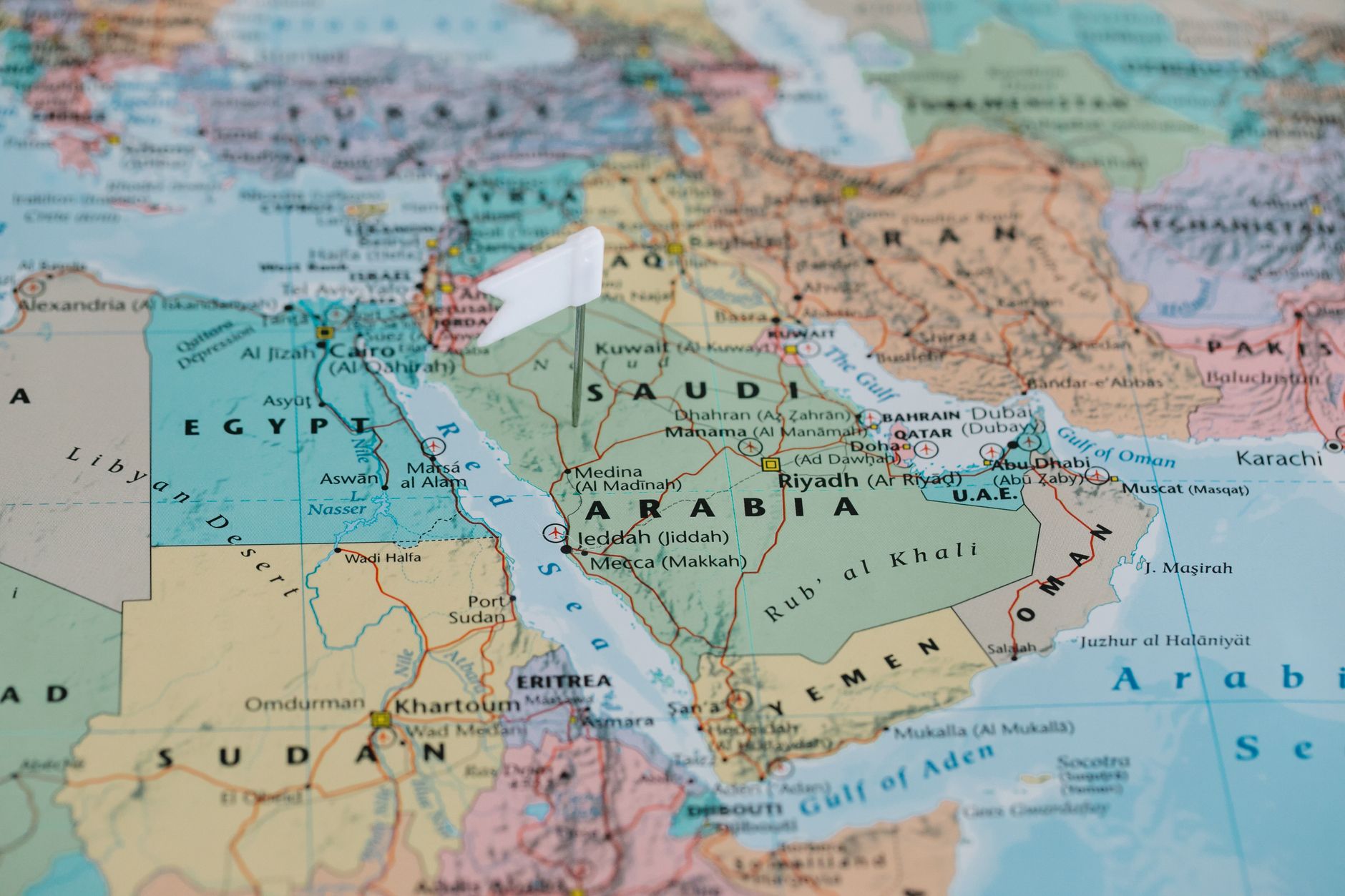
The saudi arabia nuclear deal has been a topic of discussion in recent weeks, with President Trump announcing that the arrangement is subject to the kingdom normalizing relations with Israel. This move has significant implications for the region and the world at large. The deal, which aims to provide Saudi Arabia with nuclear power, has raised concerns in Israel, with many questioning the potential risks and consequences.
President Trump’s announcement has added a new layer of complexity to the situation, as it ties the nuclear deal to the kingdom’s relationship with Israel. This condition has sparked debate and discussion, with some arguing that it is a necessary step towards peace and stability in the region, while others see it as a potential obstacle to the deal’s success.
saudi arabia and the Abraham Accords
The Abraham Accords, which were signed in 2020, aim to normalize relations between Israel and several Arab countries, including the United Arab Emirates and Bahrain. The accords have been seen as a significant step towards peace and stability in the region, and President Trump’s announcement has raised hopes that Saudi Arabia may soon follow suit. However, the path to normalization is complex, and many challenges and obstacles need to be overcome.
One of the key challenges is the issue of Palestinian rights and the status of Jerusalem. The Palestinian Authority has expressed concerns that the Abraham Accords may undermine their claims to Jerusalem and the West Bank, and many Arab countries have traditionally been supportive of the Palestinian cause. Saudi Arabia, in particular, has been a key player in the Arab-Israeli conflict, and its decision to normalize relations with Israel would be seen as a significant shift in the region’s dynamics.
Implications of the Deal
The implications of the saudi arabia nuclear deal are far-reaching and complex. On the one hand, the deal could provide Saudi Arabia with a significant source of clean energy, reducing its reliance on fossil fuels and helping to mitigate the effects of climate change. On the other hand, the deal raises concerns about the potential risks of nuclear proliferation and the impact on regional stability.
- Potential risks of nuclear proliferation
- Impact on regional stability
- Effects on the environment and climate change
Despite these challenges and concerns, the deal has the potential to be a significant step forward for the region. If successful, it could provide a model for other countries to follow, and help to reduce tensions and promote peace and stability. However, much work needs to be done to address the concerns and challenges that have been raised, and to ensure that the deal is implemented in a way that benefits all parties involved.
Questions to Watch
As the situation continues to evolve, there are several questions to watch. Will Saudi Arabia agree to normalize relations with Israel, and what will be the terms of the deal? How will the Palestinian Authority and other Arab countries respond to the agreement? What will be the impact on regional stability and the environment? These are just a few of the questions that will need to be answered in the coming weeks and months.
Conclusion
In conclusion, the saudi arabia nuclear deal is a complex and significant development that has the potential to shape the future of the region. While there are many challenges and concerns that need to be addressed, the deal also offers opportunities for peace, stability, and cooperation. As the situation continues to evolve, it will be important to watch the developments closely and to consider the potential implications for the region and the world at large.
Source: npr.org.






Be First to Comment