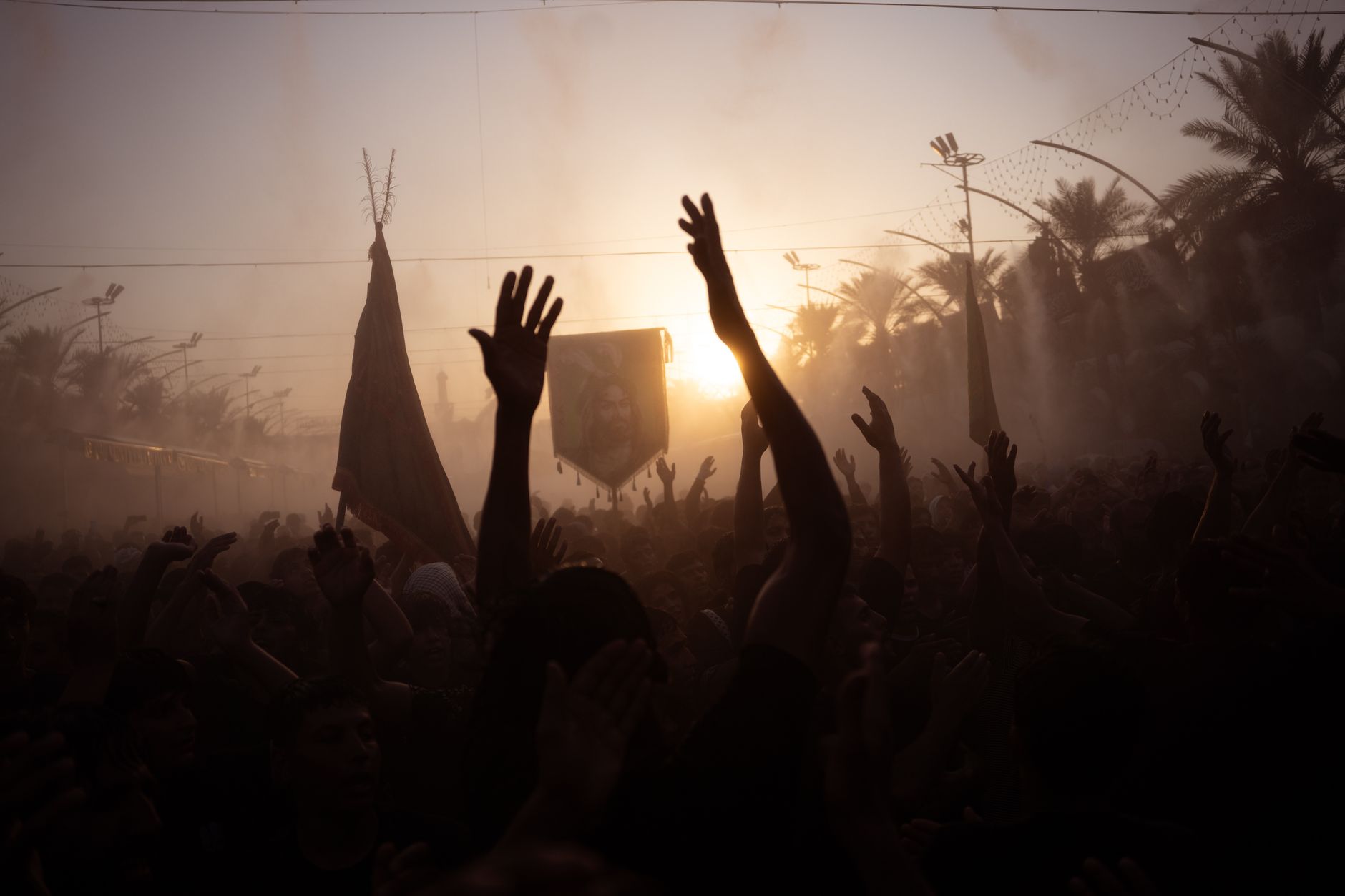
The shia pilgrimage is a highly significant event in the Islamic calendar, with over 20 million people gathering in Iraq to commemorate the death of Imam Hussein. This massive gathering is a testament to the enduring power of faith and community. The event, known as Arbaeen, takes place 40 days after the day of Ashura, which marks the martyrdom of Imam Hussein, a grandson of the Prophet Muhammad.
Despite the ongoing conflicts in the Middle East, the shia pilgrimage has continued to grow in size and significance, with millions of people making the journey to Karbala, the city where Imam Hussein is buried. The pilgrimage is a time of great celebration and mourning, as people come together to honor the memory of Imam Hussein and to seek spiritual guidance.
History of the Shia Pilgrimage
The shia pilgrimage has a long and complex history, dating back to the 7th century. The event has been marked by periods of great turmoil and violence, as well as times of peace and celebration. Today, the pilgrimage is an important symbol of Shia identity and a powerful expression of faith and community.
The city of Karbala is a major pilgrimage site, with millions of people visiting the shrine of Imam Hussein every year. The shrine is a beautiful and imposing structure, with intricate mosaics and ornate decorations. The city is also home to many other important Shia shrines and mosques, making it a major center of Shia learning and culture.
Cultural Significance of the Shia Pilgrimage
The shia pilgrimage is not just a religious event, but also a cultural phenomenon. The pilgrimage is a time of great celebration, with music, food, and festivities filling the streets of Karbala. The event is also an important opportunity for people to come together and to strengthen community bonds.
The pilgrimage has also played an important role in promoting Shia identity and culture. The event has helped to promote a sense of shared history and heritage, and has provided a powerful symbol of Shia faith and community. The pilgrimage has also been an important factor in promoting greater understanding and tolerance between different Shia communities.
Challenges Facing the Shia Pilgrimage
Despite its significance, the shia pilgrimage faces many challenges. The event has been targeted by extremist groups, who have sought to disrupt the pilgrimage and to attack Shia pilgrims. The pilgrimage has also been affected by the ongoing conflicts in the Middle East, which have made it difficult for people to travel to Karbala.
In addition to these challenges, the pilgrimage also faces many logistical and organizational challenges. The event requires a huge amount of planning and resources, and the Iraqi government has struggled to provide adequate security and facilities for the pilgrims.
- Poor sanitation and hygiene facilities
- Inadequate security arrangements
- Overcrowding and congestion
- Lack of accommodation and food options
Conclusion and Future Prospects
In conclusion, the shia pilgrimage is a highly significant event that plays an important role in promoting Shia identity and culture. Despite the challenges it faces, the pilgrimage continues to grow in size and significance, and it remains an important symbol of faith and community. As the Middle East continues to evolve and change, it will be important to watch how the shia pilgrimage adapts and responds to these changes, and to consider the implications for the region and the world.
Source: npr.org.






Be First to Comment