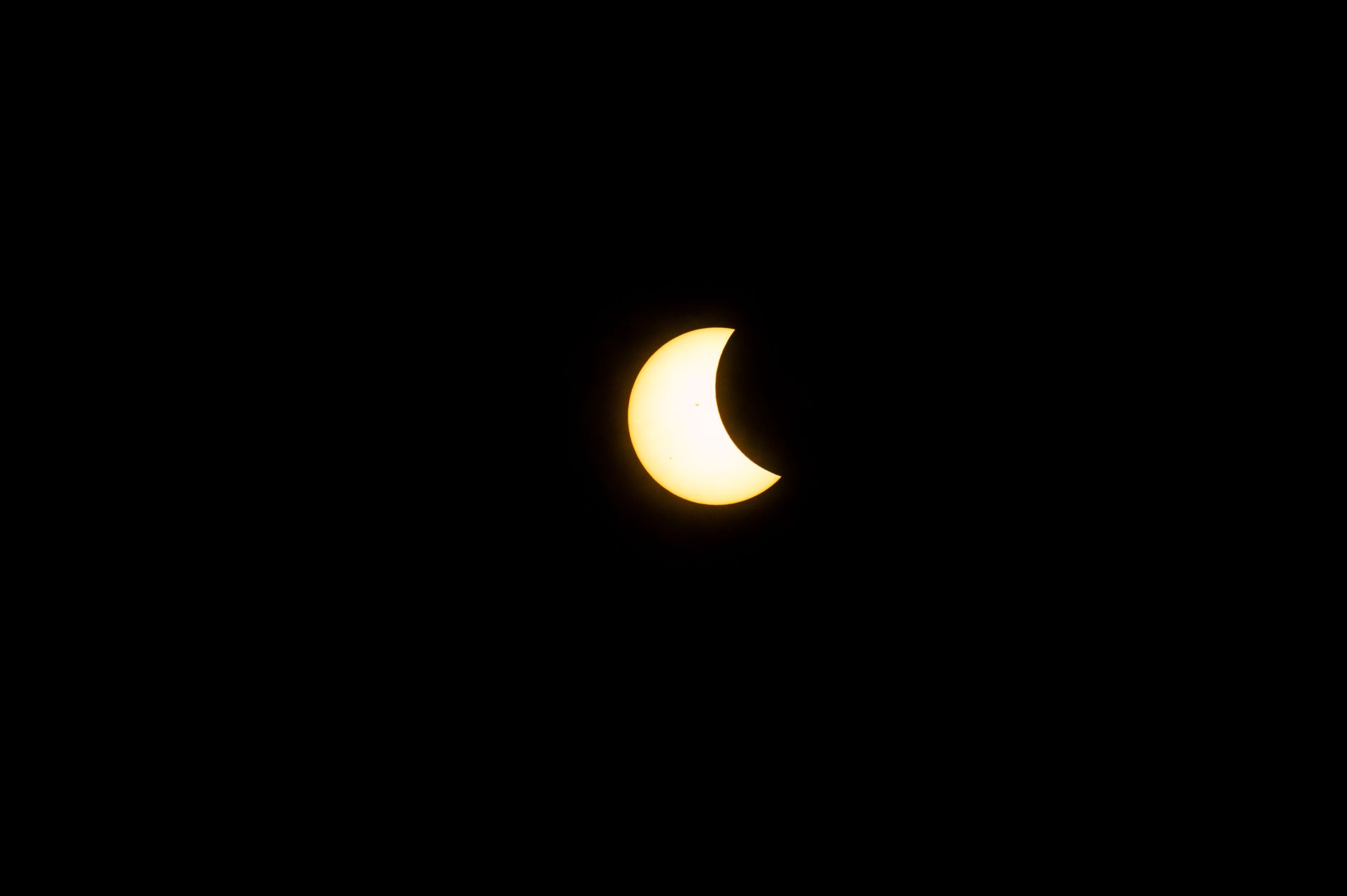
The solar eclipse is one of the most spectacular celestial events, and it’s coming to the UK. On Wednesday, the moon will pass between the earth and the sun, casting a shadow on our planet. This rare spectacle is a must-see, with likely optimum viewing conditions for many.
The solar eclipse is a rare alignment of the sun, moon, and earth, and it’s been decades since the UK has seen such a spectacular event. The path of totality, where the eclipse is visible in its entirety, is usually about 100 miles wide, but this time, the UK will experience a partial eclipse, with the moon covering a significant portion of the sun’s disk.
Solar Eclipse: What to Expect
The solar eclipse will begin at around 9 am, with the moon slowly moving in front of the sun. The maximum eclipse will occur at around 10:30 am, with the moon covering about 90% of the sun’s disk. The eclipse will end at around 12 pm, with the moon moving away from the sun.
The solar eclipse is not only a spectacular event, but it’s also an opportunity for scientists to study the sun’s corona, the outer atmosphere of the sun. The corona is usually invisible, but during a solar eclipse, it becomes visible, offering a rare glimpse into the sun’s inner workings.
Solar Eclipse: Viewing Tips
To experience the solar eclipse, you’ll need to be in the right location, with the right equipment. Here are some tips to help you make the most of this event:
- Find a location with a clear view of the horizon
- Use specialized solar viewing glasses or a handheld solar viewer
- Avoid looking directly at the sun, even during the eclipse
- Take photos or videos to capture the moment
The solar eclipse is a rare event, and it’s essential to be prepared. Make sure you have the right equipment, and find a location with a clear view of the horizon. With the right preparation, you’ll be able to experience the solar eclipse in all its glory.
Solar Eclipse: History and Significance
The solar eclipse has been a significant event throughout history, with many cultures believing it to be a sign of good or bad luck. In ancient China, solar eclipses were believed to be a sign of the dragon eating the sun, while in ancient Greece, they were believed to be a sign of the gods’ displeasure.
Today, the solar eclipse is seen as a scientific event, with scientists studying the sun’s corona and the earth’s atmosphere. However, it’s still an event that inspires awe and wonder, with many people traveling to see the eclipse in its entirety.
Solar Eclipse: Implications and Questions to Watch
The solar eclipse is not only a spectacular event, but it’s also an opportunity for scientists to study the sun’s corona and the earth’s atmosphere. As we continue to study the sun and its effects on our planet, we may uncover new insights into the workings of our solar system. With the solar eclipse, we may also see new discoveries and a deeper understanding of the sun’s corona and its role in our planet’s climate.
Source: bbc.co.uk.






Be First to Comment