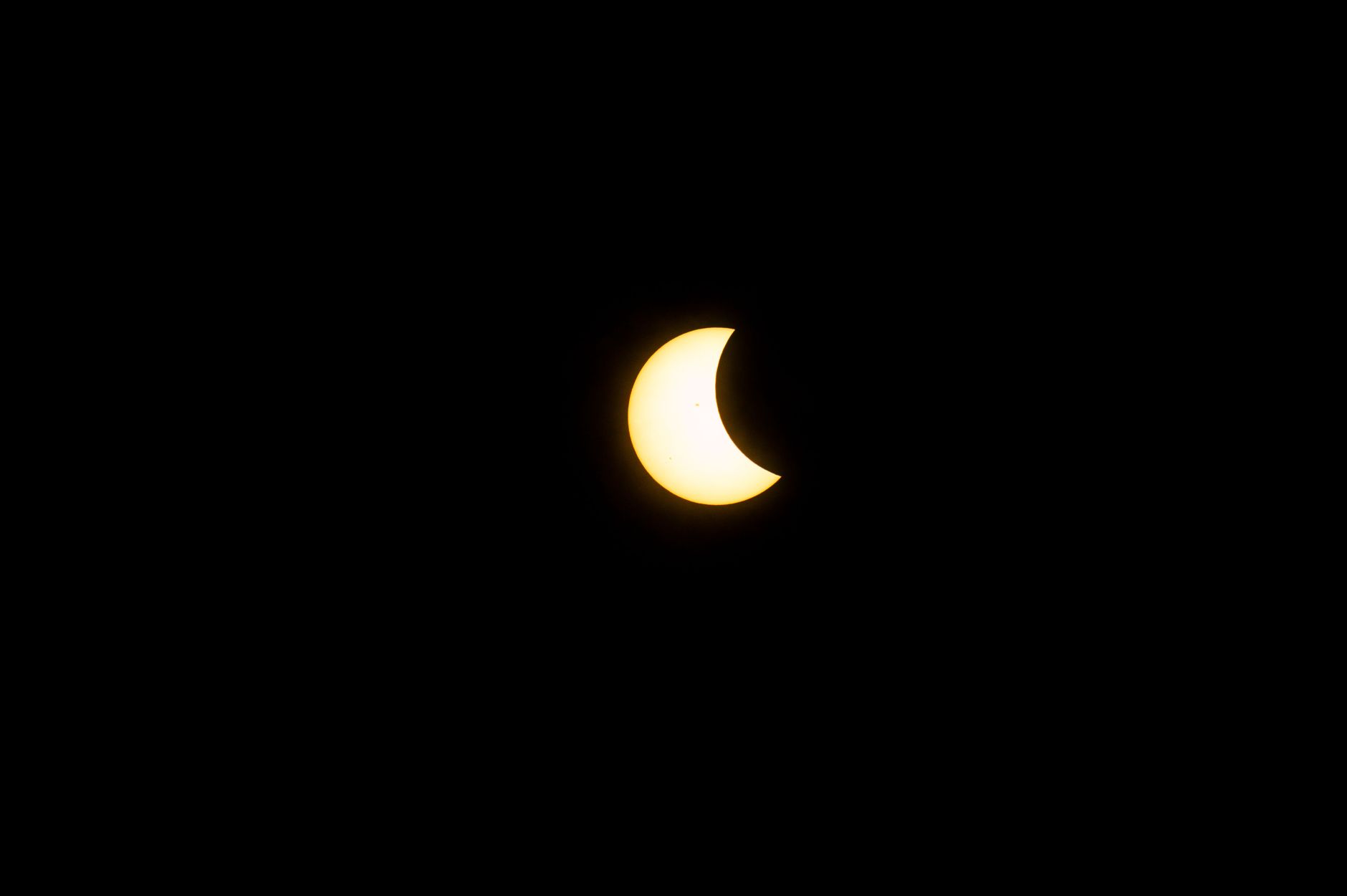
The solar eclipse has been a rare and awe-inspiring event for centuries, and Spain recently witnessed its first total solar eclipse in over a century. As the sky darkened, people broke into applause and cheered, marveling at the celestial spectacle. The solar eclipse was a significant event that brought millions of people together, creating a sense of community and wonder.
The path of totality, where the eclipse was visible in its entirety, spanned across various cities in Spain, drawing massive crowds. The atmosphere was electric, with people from all walks of life gathering to witness the rare event. The solar eclipse was not only a scientific phenomenon but also a cultural and social event that brought people together.
Solar Eclipse: A Rare Celestial Event
A solar eclipse occurs when the moon passes between the earth and the sun, blocking the sun’s light and casting a shadow on the earth. The solar eclipse is a rare event because the moon’s orbit is tilted at an angle of about 5 degrees with respect to the earth’s orbit around the sun. As a result, the moon’s shadow usually falls above or below the earth, making a total solar eclipse visible from a specific location on the earth’s surface only once every 360 years on average.
The solar eclipse has been a significant event throughout history, with many ancient cultures believing it to be a sign from the gods. In some cultures, the solar eclipse was seen as a bad omen, while in others it was considered a positive sign. The solar eclipse has also been the subject of scientific study, with astronomers using it to learn more about the sun’s corona and the moon’s orbit.
The Science Behind the Solar Eclipse
The solar eclipse is a complex phenomenon that involves the alignment of the sun, moon, and earth. The moon’s orbit is not a perfect circle, which means that its distance from the earth varies. When the moon is at its closest point, known as perigee, it appears larger in the sky and can block the sun’s light completely, causing a total solar eclipse.
The solar eclipse can be classified into three types: partial, annular, and total. A partial solar eclipse occurs when the moon only partially covers the sun, while an annular solar eclipse occurs when the moon appears smaller than the sun, creating a ring of light around it. A total solar eclipse, like the one witnessed in Spain, is the rarest and most spectacular type, where the moon completely blocks the sun’s light.
Implications of the Solar Eclipse
- The solar eclipse can have a significant impact on the environment, with the sudden drop in temperature and light affecting local ecosystems.
- The solar eclipse can also have economic implications, with the influx of tourists and spectators generating revenue for local businesses.
- The solar eclipse can also raise awareness about the importance of astronomy and space exploration, inspiring people to learn more about the universe.
The solar eclipse is a rare and awe-inspiring event that has captivated people for centuries. As scientists continue to study the solar eclipse, we can gain a deeper understanding of the universe and its many mysteries. The solar eclipse is a reminder of the beauty and complexity of the natural world, and its significance extends beyond the scientific community to inspire and educate people around the world.
Conclusion: The Solar Eclipse Experience
The solar eclipse is an experience that will be remembered for years to come, a rare and spectacular event that brought millions of people together in Spain. As we look to the future, we can expect more solar eclipses to occur, each one providing a unique opportunity to learn, discover, and marvel at the wonders of the universe. The solar eclipse is a testament to the power and beauty of nature, and its impact will be felt for generations to come.
Source: npr.org.






Be First to Comment