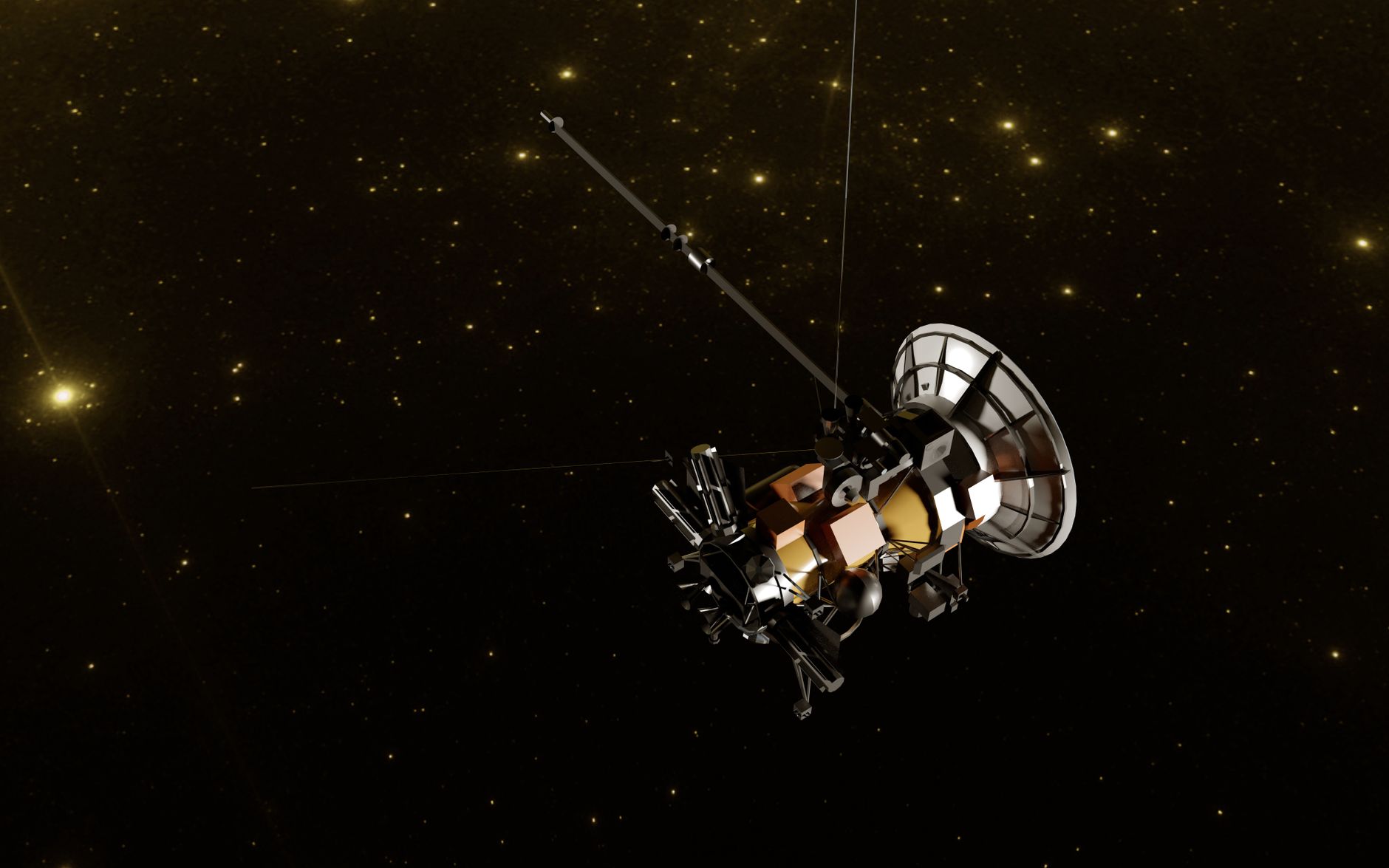
The solar mission has been a groundbreaking endeavor, seeking to unravel the Sun’s most enduring mysteries. One of the most baffling enigmas is the temperature difference between the Sun’s surface and its corona. The surface, or photosphere, has a temperature of about 5,500 degrees Celsius, while the corona, the outer atmosphere, is a scorching 2 million degrees Celsius. This disparity has puzzled scientists for decades, and the solar mission aims to provide some answers.
Researchers have been studying the Sun’s corona and its inexplicably high temperature. The solar mission’s new findings throw light on this phenomenon, offering clues about the Sun’s internal dynamics and the processes that govern its temperature. By exploring the Sun’s magnetic field and solar winds, scientists hope to gain a deeper understanding of the Sun’s behavior and its impact on the solar system.
Solar Mission Objectives
The solar mission has several key objectives, including the study of the Sun’s corona and its temperature. By examining the Sun’s magnetic field and solar winds, researchers aim to understand the mechanisms that drive the Sun’s temperature and its impact on the solar system. The mission also seeks to investigate the Sun’s internal dynamics, including its rotation and convection patterns.
The solar mission is equipped with state-of-the-art instruments, designed to collect data on the Sun’s magnetic field, solar winds, and corona. These instruments include advanced spectrometers, coronagraphs, and magnetometers, which provide high-resolution images and spectra of the Sun’s atmosphere.
Solar Mission Findings
The solar mission’s new findings have significant implications for our understanding of the Sun and its behavior. By studying the Sun’s corona and its temperature, researchers have gained insights into the Sun’s internal dynamics and the processes that govern its temperature. The mission’s findings also have important implications for space weather forecasting and the protection of spacecraft and satellites.
- Understanding the Sun’s corona and its temperature
- Investigating the Sun’s magnetic field and solar winds
- Studying the Sun’s internal dynamics and rotation patterns
The solar mission’s findings have sparked renewed interest in the study of the Sun and its behavior. As researchers continue to analyze the mission’s data, they are gaining a deeper understanding of the Sun’s mysteries and the processes that govern its temperature. The solar mission is a significant step forward in our understanding of the Sun and its impact on the solar system.
Implications and Future Research
The solar mission’s findings have significant implications for our understanding of the Sun and its behavior. By studying the Sun’s corona and its temperature, researchers have gained insights into the Sun’s internal dynamics and the processes that govern its temperature. The mission’s findings also have important implications for space weather forecasting and the protection of spacecraft and satellites. As researchers continue to analyze the mission’s data, they are likely to uncover new and exciting discoveries that will shed further light on the Sun’s enduring mysteries.
Conclusion
The solar mission is a groundbreaking endeavor that has shed new light on the Sun’s most enduring mysteries. By studying the Sun’s corona and its temperature, researchers have gained insights into the Sun’s internal dynamics and the processes that govern its temperature. As the mission’s findings continue to be analyzed and interpreted, we can expect to gain a deeper understanding of the Sun and its impact on the solar system. The solar mission is an exciting and significant step forward in our understanding of the Sun and its behavior, and its findings are likely to have a lasting impact on the field of solar physics.
Source: bbc.co.uk.






Be First to Comment