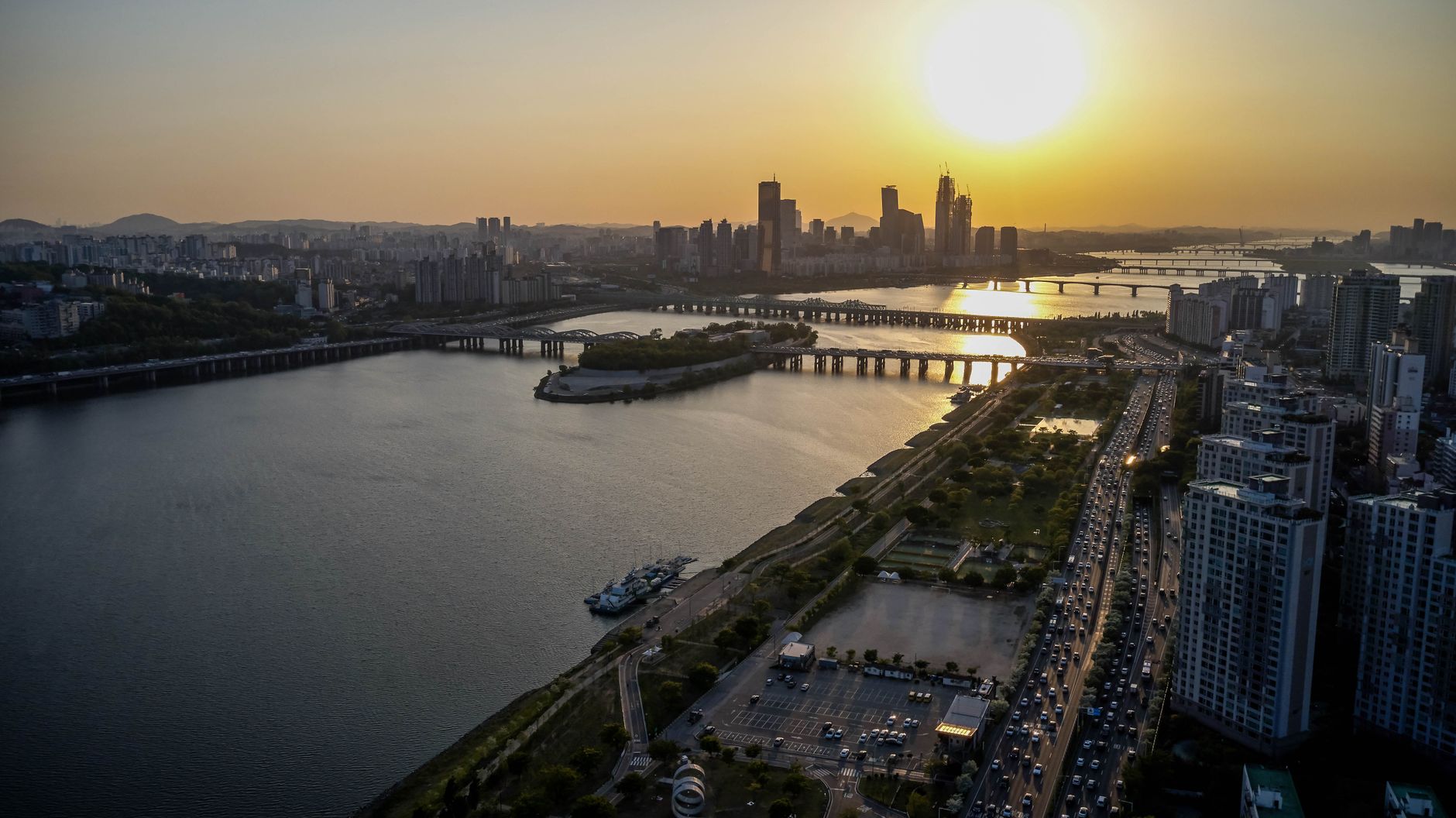
South Korea heatwave has brought the country to a standstill, with temperatures soaring to a record 42.5C, resulting in at least 19 deaths. The heatwave, which has been ongoing for several days, has been described as one of the worst in recent history.
The extreme heat has led to a significant increase in heat-related illnesses, with many people being hospitalized due to dehydration and heat stroke.
South Korea Heatwave: A Growing Concern
The south korea heatwave has raised concerns over the impact of climate change on the country’s weather patterns. Rising temperatures and changing weather patterns have made the country more vulnerable to extreme weather events.
Experts warn that the heatwave is not just a short-term issue, but a long-term problem that requires immediate attention. The government has been criticized for not doing enough to prepare for the heatwave and to mitigate its effects.
Causes and Effects of the Heatwave
The south korea heatwave has been caused by a combination of factors, including climate change, urbanization, and weather patterns. The country’s geography, with its mountains and valleys, has also contributed to the extreme heat.
The effects of the heatwave have been far-reaching, with many businesses and schools being forced to close. The heat has also had a significant impact on the country’s agriculture, with many crops being damaged or destroyed.
- Increased risk of heat-related illnesses
- Damage to crops and agriculture
- Disruption to businesses and schools
- Strain on the country’s healthcare system
Response to the Heatwave
The government has been working to respond to the heatwave, with measures such as providing cooling centers and distributing water to those in need. However, many have criticized the response as being inadequate and too slow.
Experts have called for a more comprehensive approach to addressing the heatwave, including investing in climate-resilient infrastructure and implementing policies to reduce the impact of extreme weather events.
Conclusion and Future Directions
The south korea heatwave has highlighted the need for urgent action to address the impacts of climate change. As the world continues to experience more frequent and severe extreme weather events, it is essential that governments and individuals take steps to prepare and respond.
The focus must be on building resilience and reducing vulnerability to heatwaves and other extreme weather events. This requires a coordinated effort, involving governments, businesses, and individuals, to develop and implement effective strategies for mitigating the effects of climate change.
Source: bbc.co.uk.






Be First to Comment