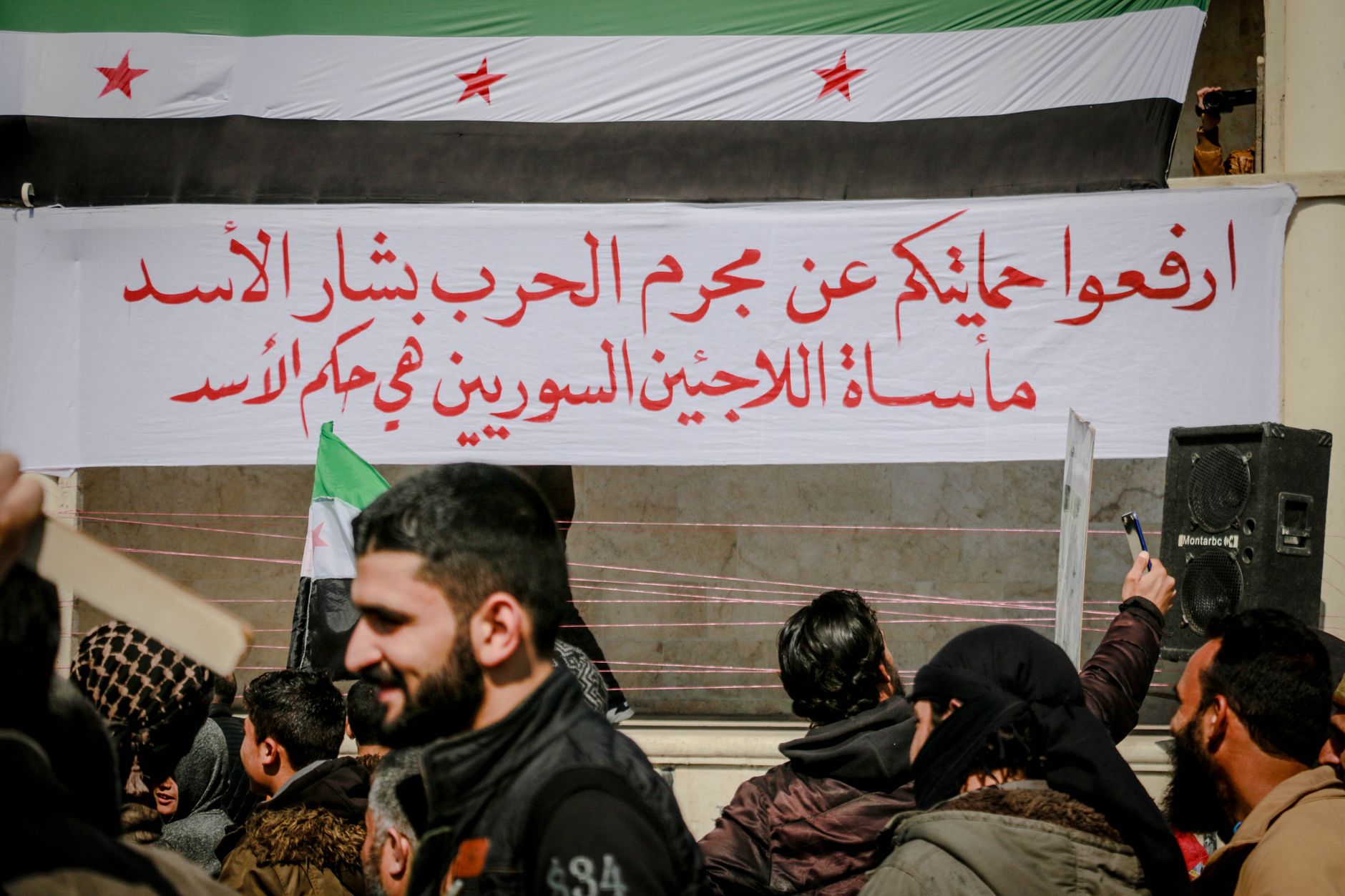
Syria assad has been sentenced to death in absentia for crimes against humanity and war crimes during Syria’s 14-year conflict. The conflict has left about half a million people dead, with many more displaced and affected. The sentencing is a significant development in the ongoing efforts to hold those responsible for the atrocities committed during the conflict accountable.
The conflict in Syria began in 2011, with protests against the government of Bashar al-Assad, the former president of Syria. The protests quickly escalated into a full-blown civil war, with various factions and groups emerging to fight against the government. The conflict has been marked by numerous human rights abuses, including massacres, torture, and forced displacement of civilians.
Syria Assad’s Role in the Conflict
Syria assad has been accused of being responsible for many of the atrocities committed during the conflict. His government has been accused of using chemical weapons against civilians, as well as engaging in other forms of warfare that have resulted in significant human suffering. The sentencing of Syria assad to death is seen as a major step towards holding him accountable for his actions.
However, the sentencing is not without its challenges. Syria assad is currently in hiding, and it is unclear whether he will ever be brought to justice. The Syrian government has also been accused of obstructing efforts to investigate and prosecute those responsible for war crimes.
International Response to the Sentencing
The international community has welcomed the sentencing of Syria assad as a positive step towards accountability. However, many have also expressed concerns about the challenges that lie ahead in bringing him to justice. The United Nations has called for Syria assad to be held accountable for his actions, and has offered to assist in efforts to investigate and prosecute him.
The sentencing of Syria assad has also raised questions about the role of the international community in preventing and responding to conflicts. The conflict in Syria has been marked by a significant humanitarian crisis, with millions of people displaced and in need of assistance. The international community has been criticized for its response to the crisis, with many arguing that more could have been done to prevent the conflict and protect civilians.
Key Challenges Ahead
- Bringing Syria assad to justice
- Investigating and prosecuting other perpetrators of war crimes
- Addressing the humanitarian crisis in Syria
- Preventing future conflicts and protecting civilians
The sentencing of Syria assad is a significant development in the ongoing efforts to hold those responsible for the atrocities committed during the conflict accountable. However, it is only one step in a long and complex process. The international community must continue to work together to address the challenges that lie ahead and to ensure that those responsible for war crimes are held accountable.
Conclusion
In conclusion, the sentencing of Syria assad to death is a major step towards accountability for the atrocities committed during the conflict. However, it is only one part of a larger effort to address the humanitarian crisis in Syria and to prevent future conflicts. The international community must continue to work together to address the challenges that lie ahead and to ensure that those responsible for war crimes are held accountable. The focus on syria assad and the conflict in Syria serves as a reminder of the importance of protecting human rights and preventing conflicts.
Source: npr.org.






Be First to Comment