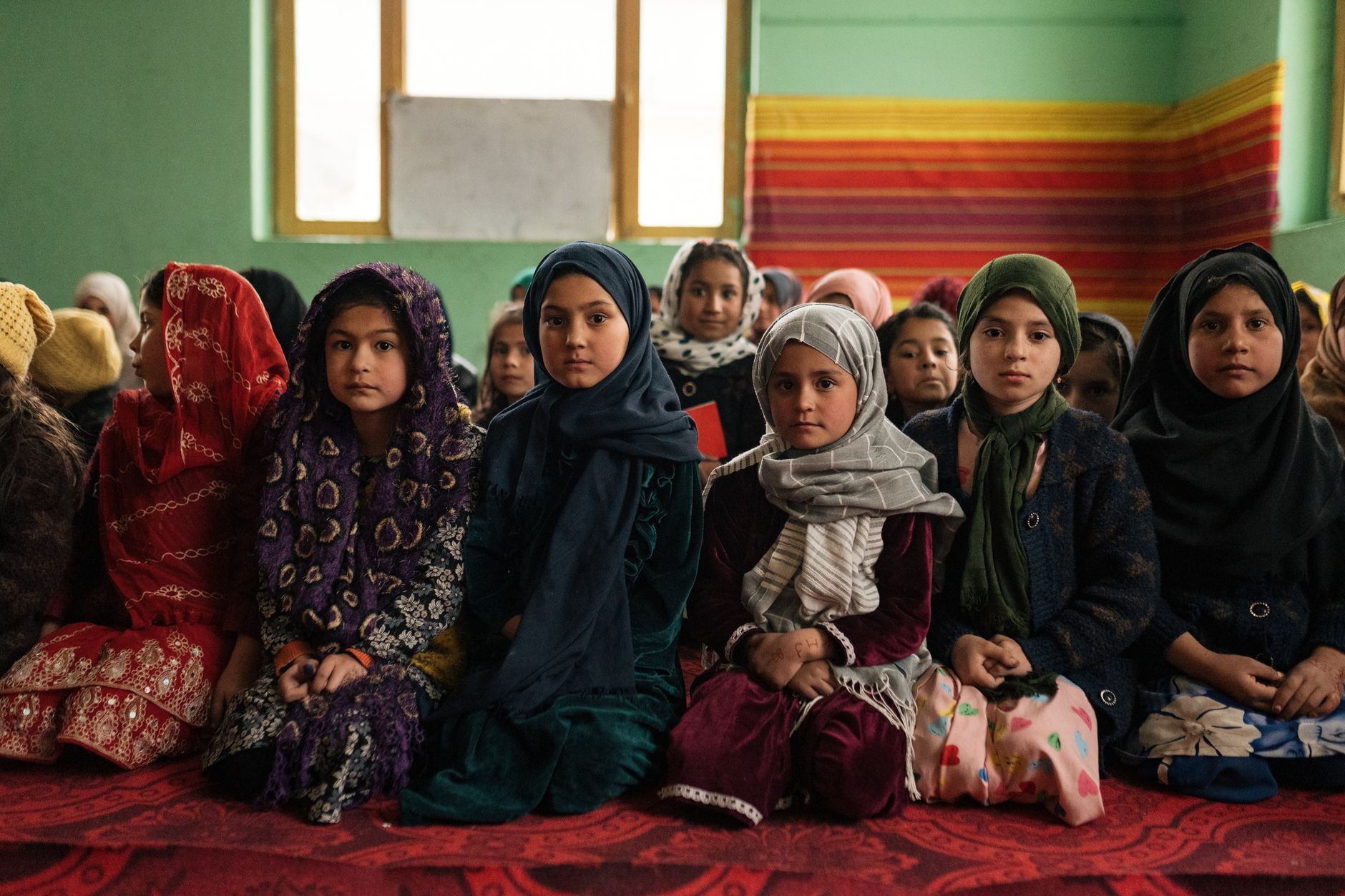
The Taliban’s rule in Afghanistan has had a profound impact on the country’s education system, particularly for girls, but also affecting taliban education for boys. As the fifth anniversary of their rule approaches, it is essential to examine the devastating consequences of their policies. The Taliban’s restrictions on girls’ education have been well-documented, but their impact on boys’ education is a lesser-known story.
The Taliban’s education policies have been shaped by their interpretation of Islamic law, which emphasizes the importance of religious education. However, this approach has led to a narrow curriculum that neglects essential subjects like science, mathematics, and literature. As a result, many Afghan boys are being denied access to a well-rounded education, which can have long-term consequences for their future prospects.
Taliban Education Policies: A Closer Look
The Taliban’s education policies have been criticized for being overly restrictive and discriminatory. Girls are banned from attending school beyond the sixth grade, while boys are encouraged to pursue religious studies. This approach has led to a significant decline in the number of girls enrolled in school, as well as a lack of qualified teachers and resources.
Furthermore, the Taliban’s emphasis on religious education has led to a lack of focus on critical thinking and problem-solving skills. This can have severe consequences for Afghanistan’s future, as the country will struggle to develop a skilled and educated workforce. The impact of the Taliban’s education policies on boys is equally concerning, as they are being denied access to a comprehensive education that can help them succeed in an increasingly competitive world.
Impact on Boys’ Education
The Taliban’s education policies have had a significant impact on boys’ education in Afghanistan. Many boys are being forced to attend religious schools, where they are taught a narrow curriculum that emphasizes Islamic studies. While this approach may provide boys with a strong understanding of their faith, it neglects essential subjects like science, mathematics, and literature.
This can have severe consequences for boys’ future prospects, as they will struggle to compete in a rapidly changing world. Moreover, the lack of emphasis on critical thinking and problem-solving skills can lead to a lack of innovation and entrepreneurship, which are essential for Afghanistan’s economic development.
International Response
The international community has been critical of the Taliban’s education policies, with many countries and organizations calling for the restoration of girls’ education and a more comprehensive approach to boys’ education. The United Nations has been at the forefront of these efforts, working with the Afghan government and other stakeholders to develop a more inclusive and equitable education system.
- Increased funding for education initiatives
- Support for teacher training programs
- Development of alternative education programs for girls and boys
These efforts are crucial, as they can help to mitigate the impact of the Taliban’s education policies and provide Afghan children with access to a quality education. However, more needs to be done to address the root causes of the problem and ensure that all Afghan children, regardless of their gender, have access to a comprehensive and inclusive education.
Conclusion and Future Prospects
In conclusion, the Taliban’s education policies have had a devastating impact on Afghanistan, affecting both girls and boys. The international community must continue to pressure the Taliban to reform their education policies and provide all Afghan children with access to a quality education. As the fifth anniversary of the Taliban’s rule approaches, it is essential to remember the importance of education in shaping the future of Afghanistan and its people. The Taliban’s education policies are a critical issue that requires immediate attention and action, and it is essential that the international community works together to address this challenge and ensure that all Afghan children have access to a brighter future.
Source: npr.org.






Be First to Comment