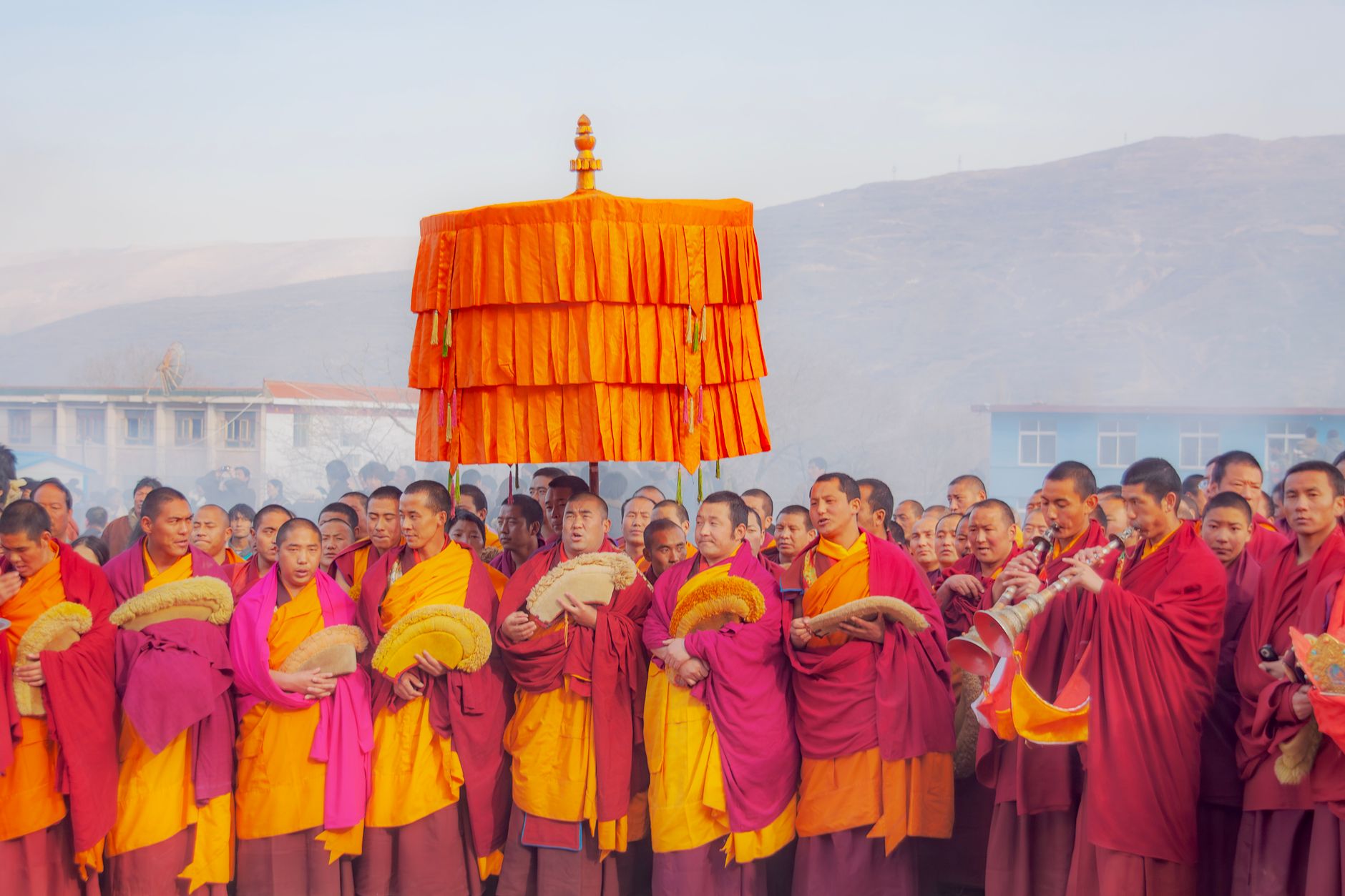
The tibetan language is an integral part of Tibetan culture and identity. In recent years, the language has been facing significant challenges, particularly with the introduction of China’s new unity law. This law aims to promote a unified national identity, which has raised concerns among Tibetans about the preservation of their language and culture. As a result, many Tibetans are making a conscious effort to learn and promote their language, including a 73-year-old retired nurse who has decided to learn to write in Tibetan.
This decision is not isolated, as many Tibetans are embracing their language and cultural identity in the face of increasing pressure to assimilate into the dominant Chinese culture. The Tibetan language is a unique and important part of Tibetan heritage, and its preservation is crucial for the community’s sense of identity and belonging.
Tibetan Language and Culture
The Tibetan language is a member of the Tibeto-Burman language family and is spoken by approximately 6 million people around the world. It is an official language in the Tibet Autonomous Region of China and is also spoken in parts of India, Nepal, and Bhutan. The language has a rich literary and cultural tradition, with a unique script and a distinct grammar and syntax.
Despite its importance, the Tibetan language is facing significant challenges, including a decline in the number of fluent speakers and a lack of support for language education. The introduction of China’s new unity law has further exacerbated these challenges, as it promotes the use of Mandarin Chinese as the primary language of instruction in schools and government institutions.
Challenges to Tibetan Language Preservation
There are several challenges to the preservation of the Tibetan language, including:
- Lack of support for language education
- Decline in the number of fluent speakers
- Increasing pressure to assimilate into the dominant Chinese culture
These challenges are significant, and the Tibetan community is working to address them through a variety of initiatives, including language education programs and cultural events. However, more needs to be done to support the preservation of the Tibetan language and culture.
Importance of Tibetan Language Preservation
The preservation of the Tibetan language is crucial for the Tibetan community’s sense of identity and belonging. Language is a key part of cultural heritage, and its loss can have significant consequences for the community’s sense of self and cultural continuity. Furthermore, the Tibetan language is an important part of the region’s cultural diversity, and its preservation is essential for promoting cross-cultural understanding and exchange.
In addition to its cultural significance, the Tibetan language also has practical importance. It is an official language in the Tibet Autonomous Region, and its use is essential for government and administrative purposes. The language is also used in education, media, and other fields, and its preservation is necessary for the development of the region.
Conclusion and Future Directions
In conclusion, the tibetan language is facing significant challenges under China’s new unity law. However, the Tibetan community is working to preserve their language and culture through a variety of initiatives. It is essential that the international community supports these efforts and recognizes the importance of linguistic and cultural diversity. By working together, we can promote the preservation of the Tibetan language and culture, and support the development of a more inclusive and diverse society.
Source: npr.org.






Be First to Comment