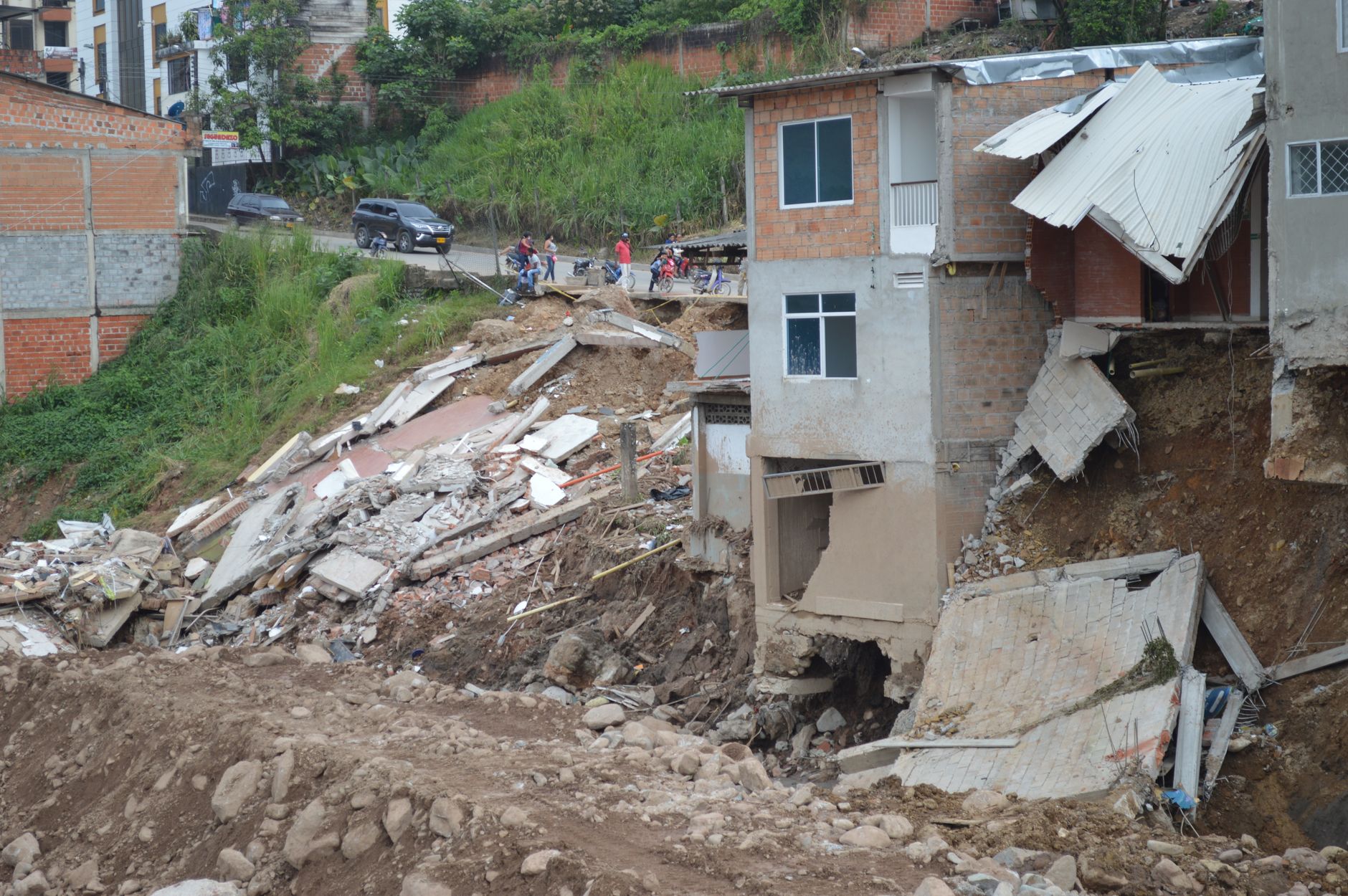
Venezuelan earthquakes have struck the nation, causing widespread destruction and chaos. In the aftermath of the twin earthquakes, people are using crowbars, pickaxes, and their bare hands to try to reach survivors. The venezuelan earthquakes have left many to fend for themselves, with rescue efforts hindered by the scale of the disaster.
The situation on the ground is dire, with many buildings reduced to rubble and debris-filled streets making it difficult for emergency services to reach those in need. The venezuelan earthquakes have also disrupted communication networks, making it challenging for families to contact loved ones and for authorities to coordinate relief efforts.
Venezuelan Earthquakes: A Growing Concern
The frequency and severity of earthquakes in Venezuela have raised concerns over the country’s disaster preparedness and response. The venezuelan earthquakes have highlighted the need for improved building codes, emergency planning, and infrastructure resilience. As the country struggles to recover from the latest disaster, there are fears that another earthquake could strike, exacerbating the humanitarian crisis.
The international community has pledged support to Venezuela, with aid pouring in from around the world. However, the scale of the disaster is vast, and it will take time for relief efforts to reach all those in need. In the meantime, many Venezuelans are left to fend for themselves, relying on the kindness of strangers and the resilience of their communities to survive.
Rescue Efforts and Challenges
Rescue efforts are underway, with teams working tirelessly to reach survivors trapped under the rubble. The venezuelan earthquakes have presented numerous challenges, including treacherous terrain, limited access to affected areas, and a shortage of resources. Despite these obstacles, rescue workers are making progress, and there are reports of people being pulled alive from the wreckage.
As the rescue efforts continue, there are concerns over the long-term impact of the venezuelan earthquakes on the country’s economy, infrastructure, and social fabric. The disaster has already disrupted trade, commerce, and industry, with many businesses forced to close temporarily. The venezuelan earthquakes have also raised questions over the government’s ability to respond to disasters and provide adequate support to those affected.
Humanitarian Aid and Support
The international community has responded to the venezuelan earthquakes with an outpouring of humanitarian aid and support. Donations of food, water, shelter, and medical supplies are pouring in, and aid workers are on the ground, providing critical assistance to those in need. The venezuelan earthquakes have highlighted the importance of global cooperation and solidarity in the face of disaster.
- Food and water distribution
- Shelter and housing provision
- Medical care and health services
- Psychological support and counseling
- Economic assistance and reconstruction aid
The road to recovery will be long and challenging, but with the support of the international community and the resilience of the Venezuelan people, there is hope for a brighter future. As the country rebuilds and recovers, it is essential to prioritize disaster preparedness, infrastructure resilience, and community development to mitigate the impact of future disasters.
Conclusion and Next Steps
The venezuelan earthquakes have left an indelible mark on the nation, but they have also brought out the best in people. As the country moves forward, it is crucial to learn from the past, adapt to the present, and plan for the future. The venezuelan earthquakes have sparked a renewed sense of purpose and solidarity, and it is essential to harness this energy to build a more resilient, sustainable, and equitable society for all.
Source: bbc.co.uk.





Be First to Comment