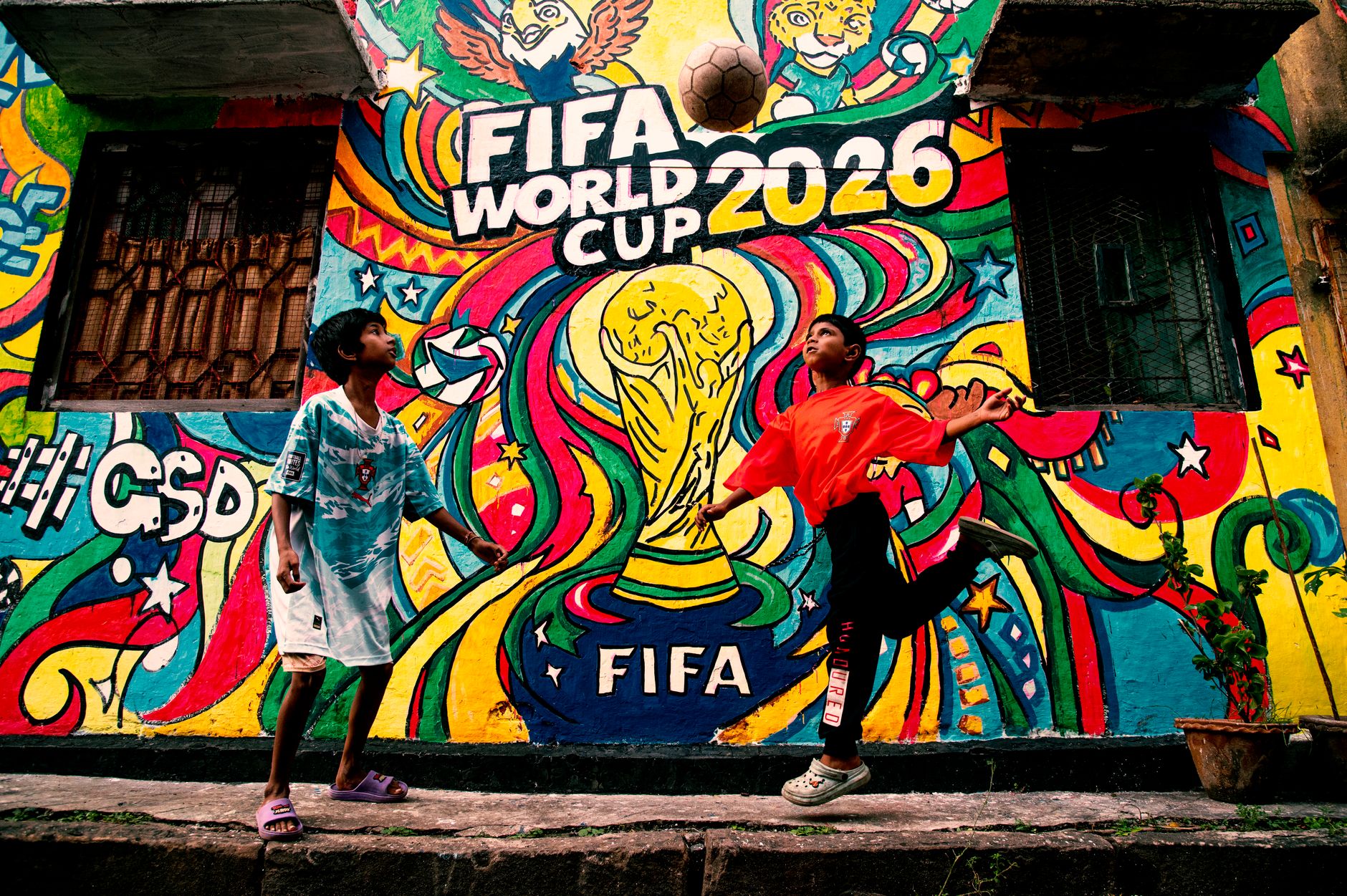
The world cup boycott announced by European soccer associations has sent shockwaves through the soccer community, with many questioning the reasoning behind this unprecedented step. The boycott is in response to a controversial deal to sell minority stakes to the marquee soccer tournament. European soccer leaders have stated that they will not participate in the World Cup unless FIFA reverses this deal.
The decision to boycott the World Cup is a significant one, and it has the potential to impact the tournament in a major way. The World Cup is one of the most widely viewed and highly anticipated sporting events in the world, and the absence of European teams would be deeply felt.
Background to the World Cup Boycott
The controversy surrounding the deal to sell minority stakes to the World Cup began several months ago, when FIFA announced that it would be selling a minority stake in the tournament to a group of investors. The move was seen as a way to generate additional revenue for the tournament, but it was met with opposition from many in the soccer community.
European soccer associations were among the most vocal opponents of the deal, and they have been pushing for FIFA to reverse the decision. The associations have argued that the deal would compromise the integrity of the tournament and would have a negative impact on the sport as a whole.
Implications of the World Cup Boycott
The implications of the World Cup boycott are far-reaching, and they have the potential to impact the sport in a major way. One of the most significant implications is the potential loss of revenue for FIFA and the tournament. The World Cup is a major source of revenue for FIFA, and the absence of European teams would likely result in a significant decline in revenue.
In addition to the financial implications, the boycott also has the potential to impact the sport itself. The World Cup is one of the most prestigious tournaments in the world, and the absence of European teams would diminish its reputation and credibility.
- The boycott could lead to a decline in viewership and interest in the tournament
- The absence of European teams could impact the competitiveness of the tournament
- The boycott could have a negative impact on the sport as a whole, leading to a decline in participation and interest
Questions to Watch
As the situation surrounding the World Cup boycott continues to unfold, there are several questions that remain to be answered. One of the most significant questions is whether FIFA will reverse the decision to sell minority stakes to the tournament. If FIFA does reverse the decision, it is likely that the European soccer associations will lift the boycott and participate in the tournament.
Another question that remains to be answered is how the boycott will impact the sport in the long term. The World Cup is a major event, and the absence of European teams could have a lasting impact on the sport. It is also unclear how the boycott will affect the relationships between FIFA and the European soccer associations, and whether the two parties will be able to come to an agreement in the future.
Conclusion
In conclusion, the world cup boycott announced by European soccer associations is a significant development that has the potential to impact the sport in a major way. The boycott is in response to a controversial deal to sell minority stakes to the tournament, and it has sparked controversy and debate throughout the soccer community. As the situation continues to unfold, it will be important to watch for developments and to consider the potential implications of the boycott.
Source: npr.org.






Be First to Comment