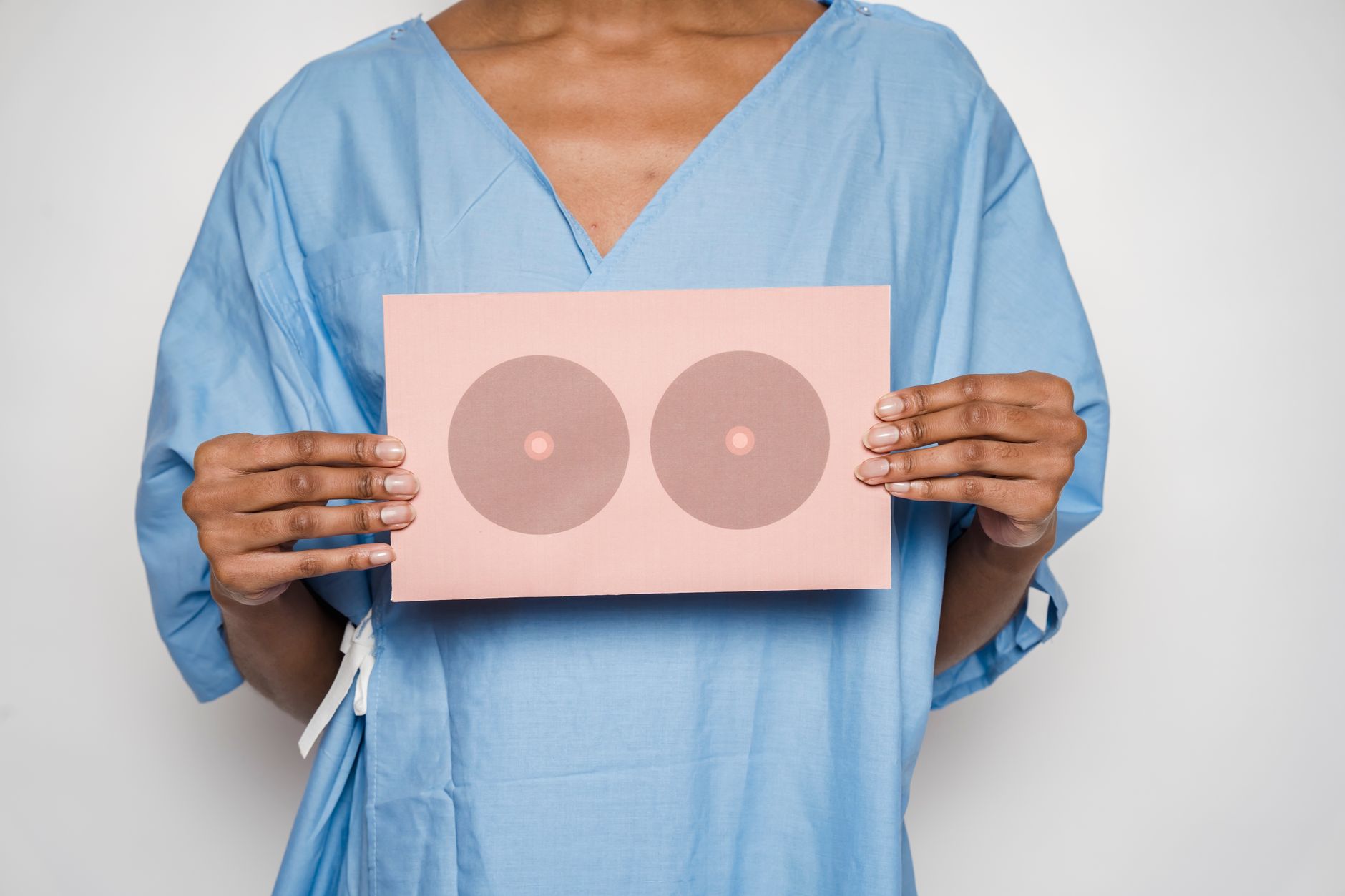
Breast cancer is a serious health concern that affects millions of women worldwide. The focus_keyword breast cancer is often associated with a lump in the breast, but it’s not always the case. Actress Lucy Davis recently spoke out about her experience with breast cancer, highlighting the importance of regular checks. Her breast lump was tiny and not a ‘lump’ as such, but rather a kind of hard spot.
It’s essential to understand the signs and symptoms of breast cancer to stay informed and take control of your health. Breast cancer can be treated effectively if detected early, and awareness is key to saving lives.
What is Breast Cancer?
Breast cancer is a type of cancer that develops in the breast tissue. It occurs when abnormal cells in the breast grow and multiply uncontrollably, forming a tumor. Breast cancer can be invasive or non-invasive, and it’s essential to understand the different types to develop an effective treatment plan.
There are several risk factors associated with breast cancer, including family history, genetics, and lifestyle choices. Women with a family history of breast cancer are more likely to develop the disease, and genetic testing can help identify those at high risk.
Breast Cancer Signs and Symptoms
The signs and symptoms of breast cancer can vary from person to person. Some common symptoms include a lump or thickening in the breast, changes in the size or shape of the breast, and nipple discharge. It’s essential to be aware of these symptoms and seek medical attention if you notice any unusual changes.
- A lump or thickening in the breast
- Changes in the size or shape of the breast
- Nipple discharge or inversion
- Changes in the skin texture or color of the breast
- Pain or discomfort in the breast
It’s crucial to remember that not all breast lumps are cancerous, and a doctor’s diagnosis is necessary to determine the cause of any symptoms.
Breast Cancer Treatment and Prevention
Breast cancer treatment depends on the type and stage of the disease. Treatment options include surgery, radiation therapy, chemotherapy, and hormone therapy. It’s essential to work with a healthcare team to develop a personalized treatment plan.
Prevention is also key in reducing the risk of breast cancer. Maintaining a healthy lifestyle, including a balanced diet and regular exercise, can help lower the risk of developing the disease.
Conclusion
In conclusion, breast cancer is a serious health concern that requires awareness and action. By understanding the signs and symptoms of breast cancer and taking steps to prevent the disease, women can reduce their risk and stay informed. Remember, early detection is key to effective treatment, and regular checks can save lives.
Source: bbc.co.uk.





Be First to Comment