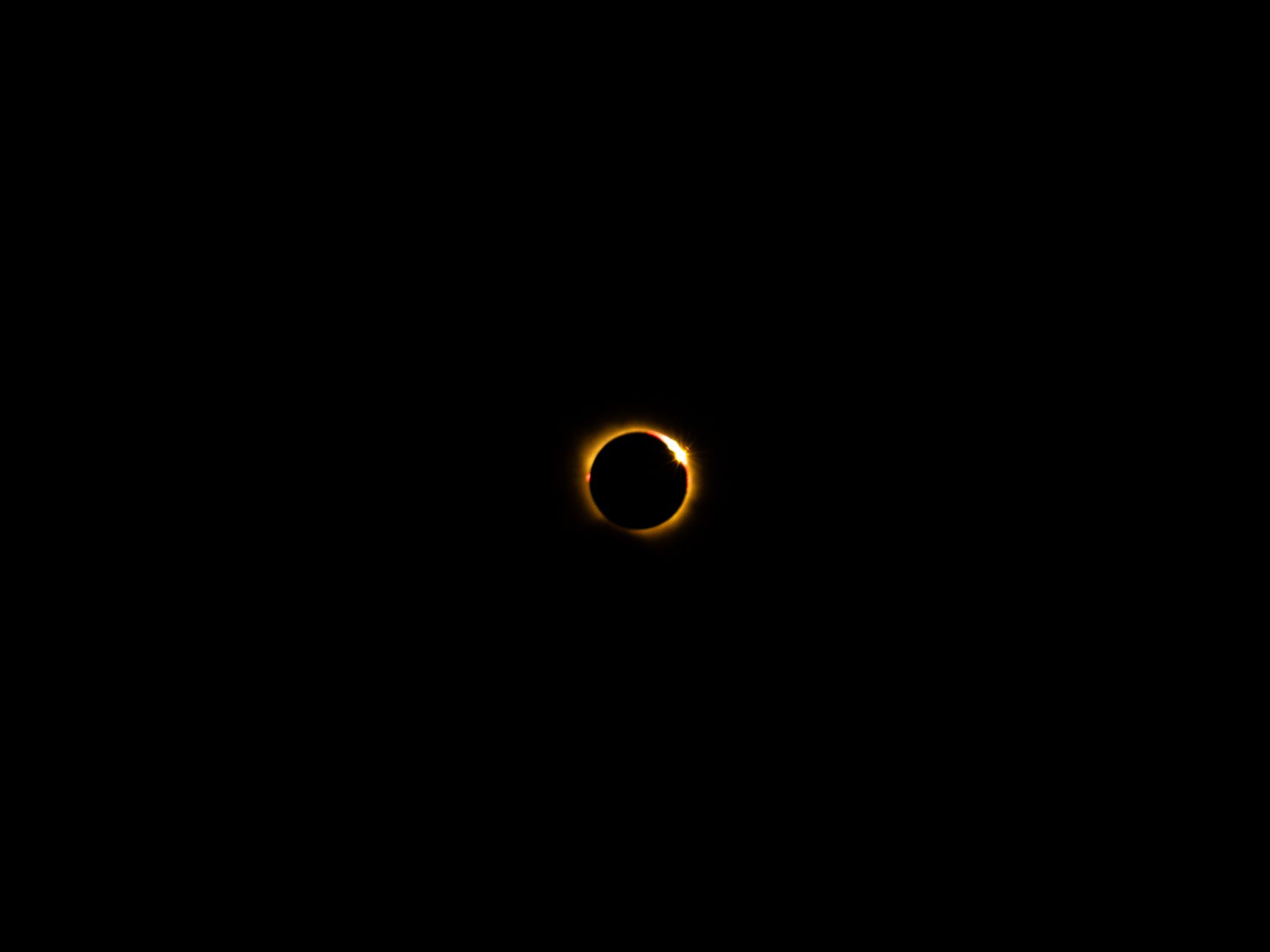
Solar eclipse eye damage is a significant concern for people who witness total solar eclipses. The recent solar eclipse has sparked discussions about the potential risks to eye health. Solar eclipse eye damage can occur when individuals look directly at the sun during an eclipse, causing serious and potentially permanent vision problems.
According to an eye surgeon, fewer people have been seeking treatment for eye damage than after the UK’s last total solar eclipse in 1999. This decrease in eye damage cases may be attributed to increased awareness and education about the risks associated with viewing a solar eclipse without proper eye protection.
Solar Eclipse Eye Damage: Understanding the Risks
The primary risk factor for solar eclipse eye damage is looking directly at the sun during the eclipse. This can cause solar retinopathy, a condition that occurs when the intense sunlight damages the retina. Solar retinopathy can lead to serious and potentially permanent vision problems, including blind spots, distorted vision, and loss of vision.
It is essential to take proper precautions when viewing a solar eclipse to minimize the risk of eye damage. This includes using specialized solar viewing glasses or handheld solar viewers that meet international safety standards.
Prevention and Protection
To protect your eyes during a solar eclipse, it is crucial to use proper eye protection. Here are some tips to help you enjoy the event safely:
- Use solar viewing glasses or handheld solar viewers that meet international safety standards.
- Avoid looking directly at the sun during the eclipse, even if you are wearing solar viewing glasses.
- Supervise children and ensure they are using proper eye protection.
- Avoid using regular sunglasses or homemade filters, as they do not provide adequate protection.
By taking the necessary precautions and using proper eye protection, you can enjoy the solar eclipse while minimizing the risk of eye damage.
Expert Insights and Analysis
Experts in the field of ophthalmology have weighed in on the risks associated with solar eclipse eye damage. According to eye surgeons, the decrease in eye damage cases may be attributed to increased awareness and education about the risks associated with viewing a solar eclipse without proper eye protection.
However, experts also emphasize the importance of continued education and awareness about the risks of solar eclipse eye damage. As the frequency of total solar eclipses increases, it is essential to ensure that the public is informed about the potential risks and takes the necessary precautions to protect their eyes.
Conclusion and Future Outlook
In conclusion, solar eclipse eye damage is a significant concern that requires attention and awareness. By understanding the risks and taking proper precautions, individuals can enjoy the solar eclipse while minimizing the risk of eye damage. As we look to the future, it is essential to continue educating the public about the importance of eye protection during solar eclipses.
Source: bbc.co.uk.






Be First to Comment