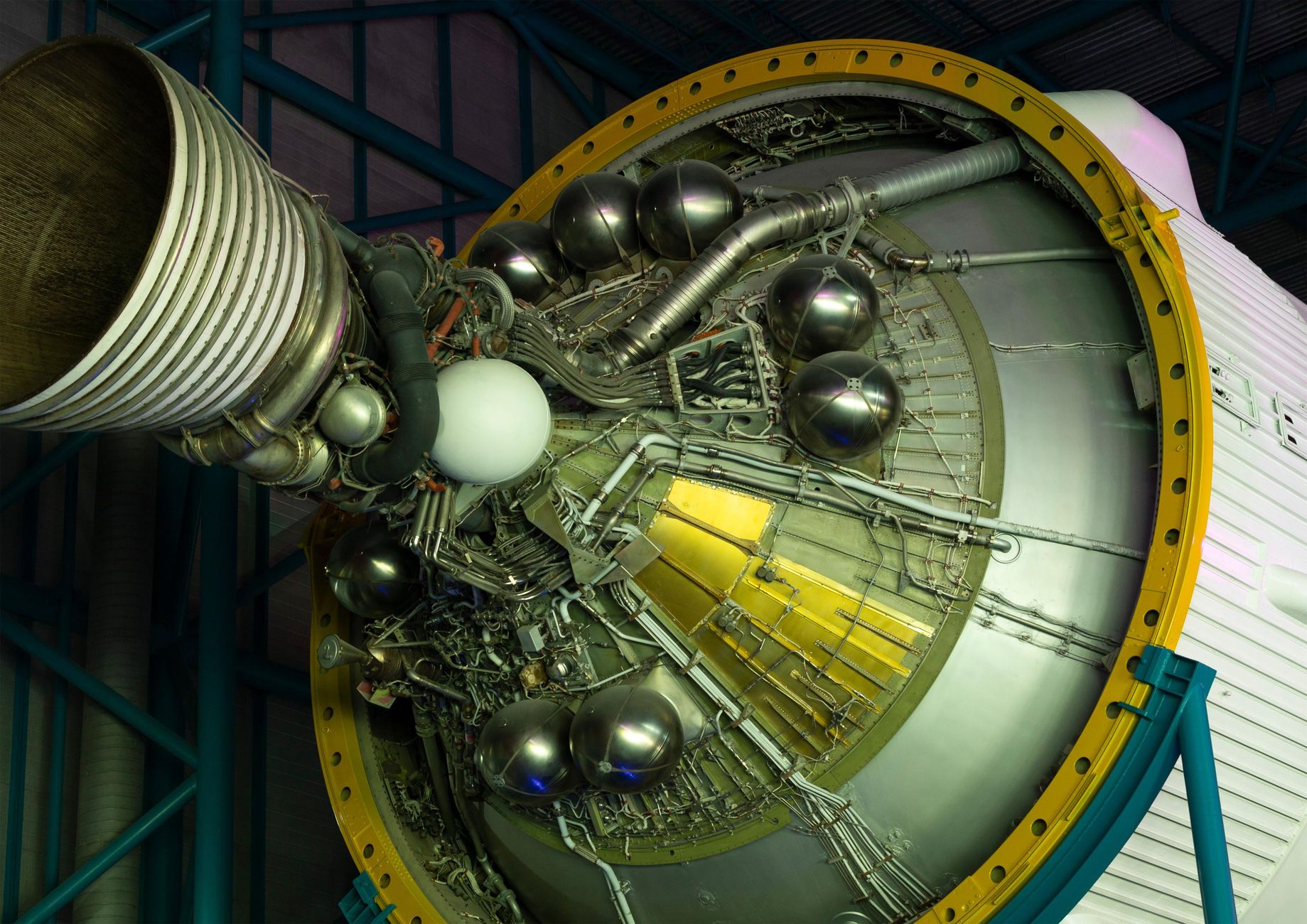
For decades, spacecraft have relied on separate systems for chemical and electric propulsion, each with its own unique advantages and disadvantages. However, a team of researchers from the Massachusetts Institute of Technology (MIT) has recently made a significant breakthrough in spacecraft engine technology, demonstrating that a single fuel can power both types of thrusters. This innovative approach has the potential to transform the capabilities of small satellites, enabling them to achieve quick bursts of speed and highly efficient long-range propulsion in a single compact system.
Combining Chemical and Electric Propulsion
The MIT team’s discovery is based on the idea of using a single fuel to power both chemical and electric thrusters. Chemical thrusters provide high thrust levels and are typically used for rapid acceleration, while electric thrusters offer high efficiency and are often used for long-duration missions. By combining these two types of propulsion systems, the researchers aim to create a hybrid engine that can take advantage of the benefits of both.
The new engine design uses a novel fuel that can be used in both chemical and electric thrusters. This fuel is designed to be highly efficient and compact, making it ideal for use in small satellites. The engine itself is also highly compact, allowing it to be easily integrated into small satellite systems.
Potential Applications
The potential applications of this new spacecraft engine technology are vast and varied. One of the most significant advantages of the new engine is its ability to enable small satellites to travel to distant destinations, such as Mars, with greater ease and efficiency. This could revolutionize the field of space exploration, allowing scientists to study the Red Planet and other celestial bodies in greater detail than ever before.
In addition to space exploration, the new engine technology could also have significant implications for Earth observation and communication satellites. By providing a more efficient and compact propulsion system, the new engine could enable smaller, more agile satellites to be used for a variety of applications, from monitoring weather patterns and natural disasters to providing high-speed internet access to remote communities.
Upcoming Testing and Deployment
The MIT team’s new spacecraft engine technology is set to be tested in orbit as part of a NASA-supported CubeSat mission. The mission, which is scheduled to launch in the near future, will provide a critical test of the new engine’s performance and efficiency in a real-world setting.
If the testing is successful, the new engine technology could be deployed in a variety of satellite applications, from space exploration and Earth observation to communication and navigation. The potential impact of this technology is significant, and it could play a major role in shaping the future of the satellite industry.
Implications and Future Directions
The development of a single fuel that can power both chemical and electric thrusters has significant implications for the future of space exploration and satellite technology. As the satellite industry continues to evolve and grow, the need for more efficient and compact propulsion systems will only continue to increase.
- The new engine technology could enable smaller, more agile satellites to be used for a variety of applications, from space exploration and Earth observation to communication and navigation.
- The technology could also provide a more efficient and cost-effective way to launch and operate satellites, reducing the financial burden on satellite operators and enabling more widespread adoption of satellite technology.
- Furthermore, the development of a single fuel that can power both chemical and electric thrusters could have significant implications for the environment, reducing the amount of fuel required for satellite operations and minimizing the risk of fuel leaks and other environmental hazards.
As the MIT team’s new spacecraft engine technology continues to be developed and tested, it will be important to watch for several key factors, including the results of the upcoming CubeSat mission and the potential applications of the technology in various satellite industries.
Source: sciencedaily.com.






Be First to Comment