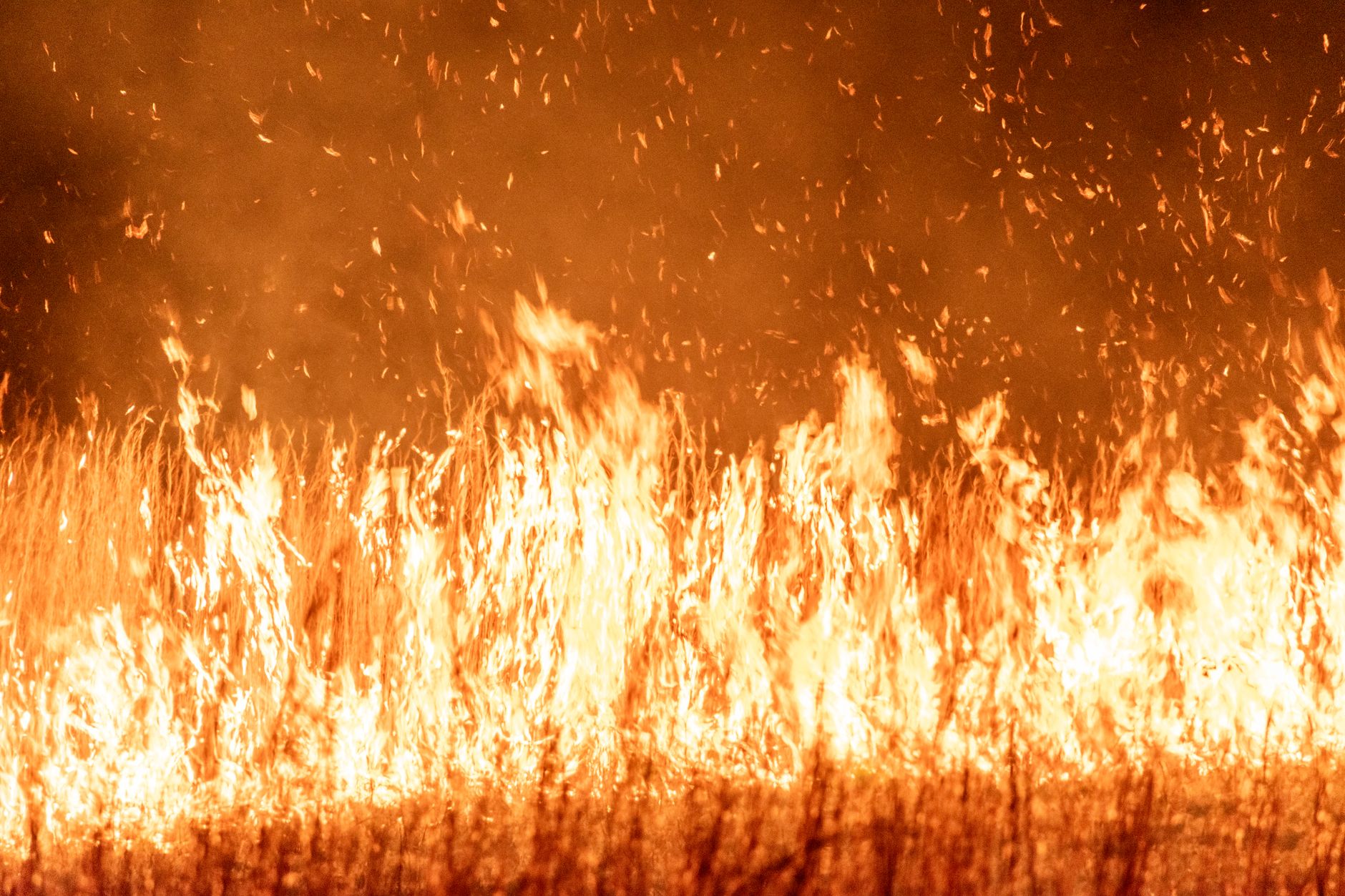
Ontario wildfire smoke has been moving eastward over Canada and the U.S., causing air quality concerns and health risks. The Visible Infrared Imaging Radiometer Suite on the NOAA-21 satellite captured an image of the smoke on July 14, 2026. After a slow start to the fire season, activity picked up by the end of June, with almost 850 fires actively burning across Canada, including over 180 in Ontario.
The smoke from these fires has been carried by winds, primarily southeast over much of the southern part of the province, as well as parts of Quebec and the U.S. Midwest and Northeast. This has resulted in the sky being tinted shades of gray and yellow, and the Sun appearing orange in many areas.
Ontario Wildfire Season 2026
The Ontario wildfire season has been significant, with 1.9 million hectares burned since the start of the year. Although this is still below the season totals from the extreme fire years of 2023 and 2025, the situation remains a concern. The Canadian Interagency Forest Fire Centre has been monitoring the situation closely, providing updates on the number of fires and the areas affected.
The impact of the smoke on air quality has varied, depending largely on altitude. In areas where the smoke was high in the atmosphere, air quality impacts were negligible. However, where the smoke drifted closer to the ground, conditions worsened. For instance, air quality in Toronto reached unhealthy levels, according to AirNow.
Health Risks and Evacuations
The combination of the smoke and a heat wave has compounded health risks, particularly for people in the southern parts of the province. The smoke has also prompted officials to issue evacuation orders for several communities in Northwestern Ontario, where eight blazes saw significant growth on July 13 and 14.
The situation highlights the importance of monitoring and responding to wildfires effectively. The North American Seasonal Fire Assessment and Outlook, compiled by wildland fire experts from the U.S., Canada, and Mexico, provides valuable insights into where fire conditions are more or less likely through July, August, and September.
Key Factors and Implications
- Dry and warm conditions have contributed to the spread of wildfires in Ontario.
- The smoke from these fires has affected air quality and health, particularly in areas where the smoke has drifted closer to the ground.
- The Canadian Interagency Forest Fire Centre and other authorities have been working to monitor and respond to the situation.
- The North American Seasonal Fire Assessment and Outlook provides valuable insights into fire conditions and risks.
The Ontario wildfire situation serves as a reminder of the importance of being prepared for and responding to natural disasters. As the fire season continues, it is essential to stay informed and take necessary precautions to minimize risks.
Conclusion and Outlook
In conclusion, the Ontario wildfire smoke has had significant impacts on air quality and health, with 1.9 million hectares burned in 2026. The situation highlights the need for effective monitoring and response strategies to mitigate the effects of wildfires. As the fire season progresses, it is crucial to stay informed and take necessary precautions to minimize risks. The outlook for the rest of the season remains uncertain, and it is essential to continue monitoring the situation closely.
Source: science.nasa.gov.






Be First to Comment