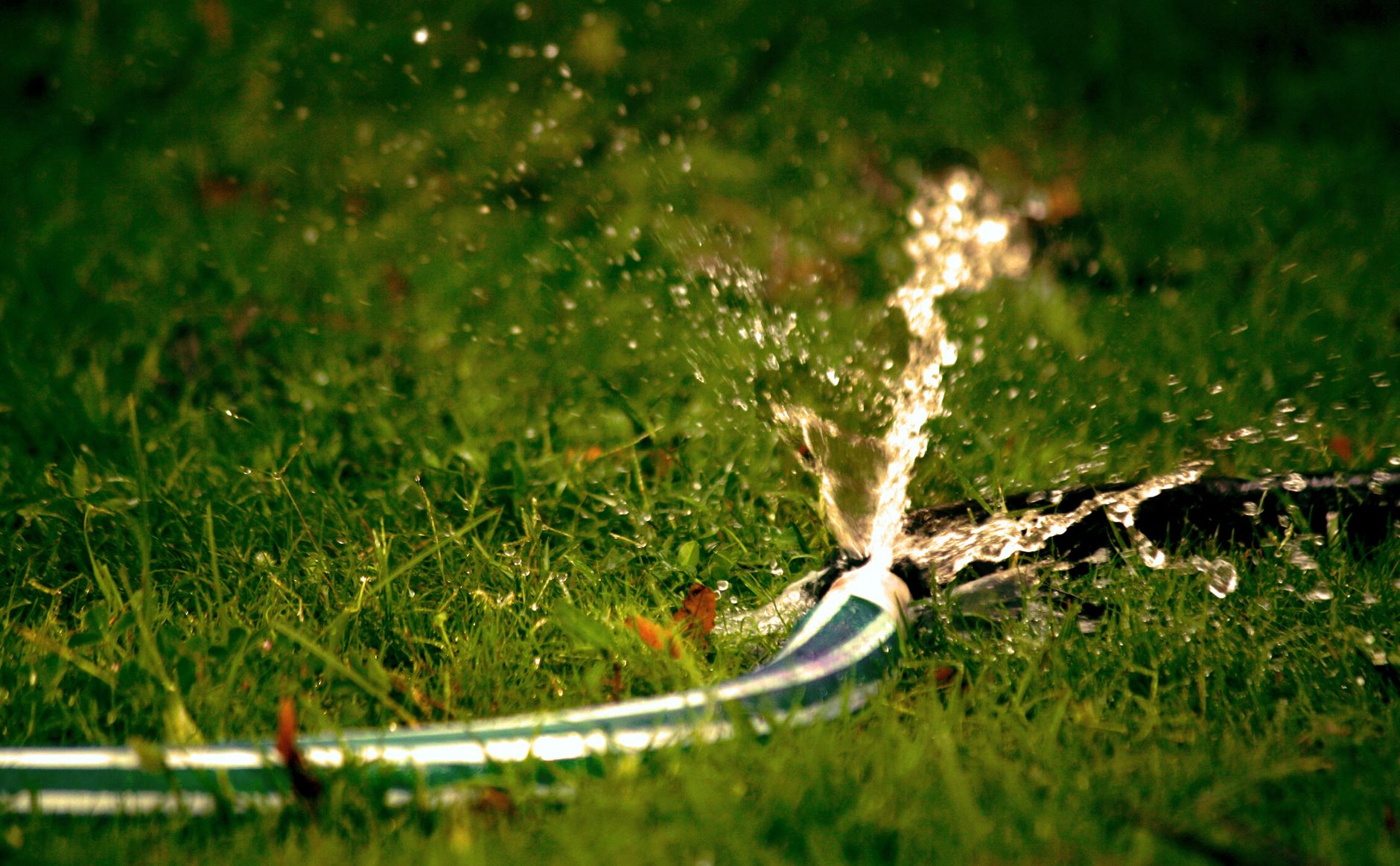
The hosepipe ban has been implemented for over 8 million households, sparking concerns about the effective management of water resources. This drastic measure has been taken to conserve water during a period of drought and water scarcity. The ban has raised questions about how effectively water resources are being managed and whether this is a sign of a larger water crisis.
The hosepipe ban is not a new phenomenon, but the sheer number of households affected this time around is unprecedented. The ban restricts the use of hosepipes for non-essential purposes such as watering gardens, washing cars, and filling swimming pools. This has significant implications for households, businesses, and the environment.
Hosepipe Ban: What Does it Mean?
The hosepipe ban is a measure taken by water companies to reduce water consumption during periods of drought or water scarcity. The ban is usually implemented when the water levels in reservoirs and rivers fall below a certain threshold. The ban is intended to conserve water and ensure that there is enough water for essential purposes such as drinking, cooking, and hygiene.
The hosepipe ban can have significant impacts on households and businesses. For example, gardeners and landscapers may struggle to maintain gardens and lawns, while car wash businesses may have to close temporarily. The ban can also have environmental implications, such as the impact on wildlife and ecosystems that rely on water.
Causes of Water Scarcity
Water scarcity is a complex issue with multiple causes. Some of the main causes of water scarcity include climate change, population growth, and inefficient water use. Climate change has led to changes in weather patterns, resulting in droughts and water scarcity in some areas. Population growth has increased the demand for water, putting pressure on already scarce resources.
Inefficient water use is also a significant contributor to water scarcity. Leaks in pipes, inefficient appliances, and wasteful practices all contribute to water waste. For example, a single dripping tap can waste up to 20 liters of water per day.
Implications of the Hosepipe Ban
The hosepipe ban has significant implications for households, businesses, and the environment. Some of the implications include:
- Restrictions on water use for non-essential purposes
- Increased costs for households and businesses
- Impact on wildlife and ecosystems
- Increased awareness of water conservation
The hosepipe ban is a wake-up call for households and businesses to take water conservation seriously. By taking simple steps such as fixing leaks, using water-efficient appliances, and reducing water waste, we can all play a part in conserving water.
Conclusion
In conclusion, the hosepipe ban is a significant measure taken to conserve water during periods of drought and water scarcity. While the ban has significant implications for households, businesses, and the environment, it also presents an opportunity for us to take water conservation seriously. By working together, we can reduce water waste, conserve water, and ensure that this precious resource is available for future generations.
Source: bbc.co.uk.






Be First to Comment