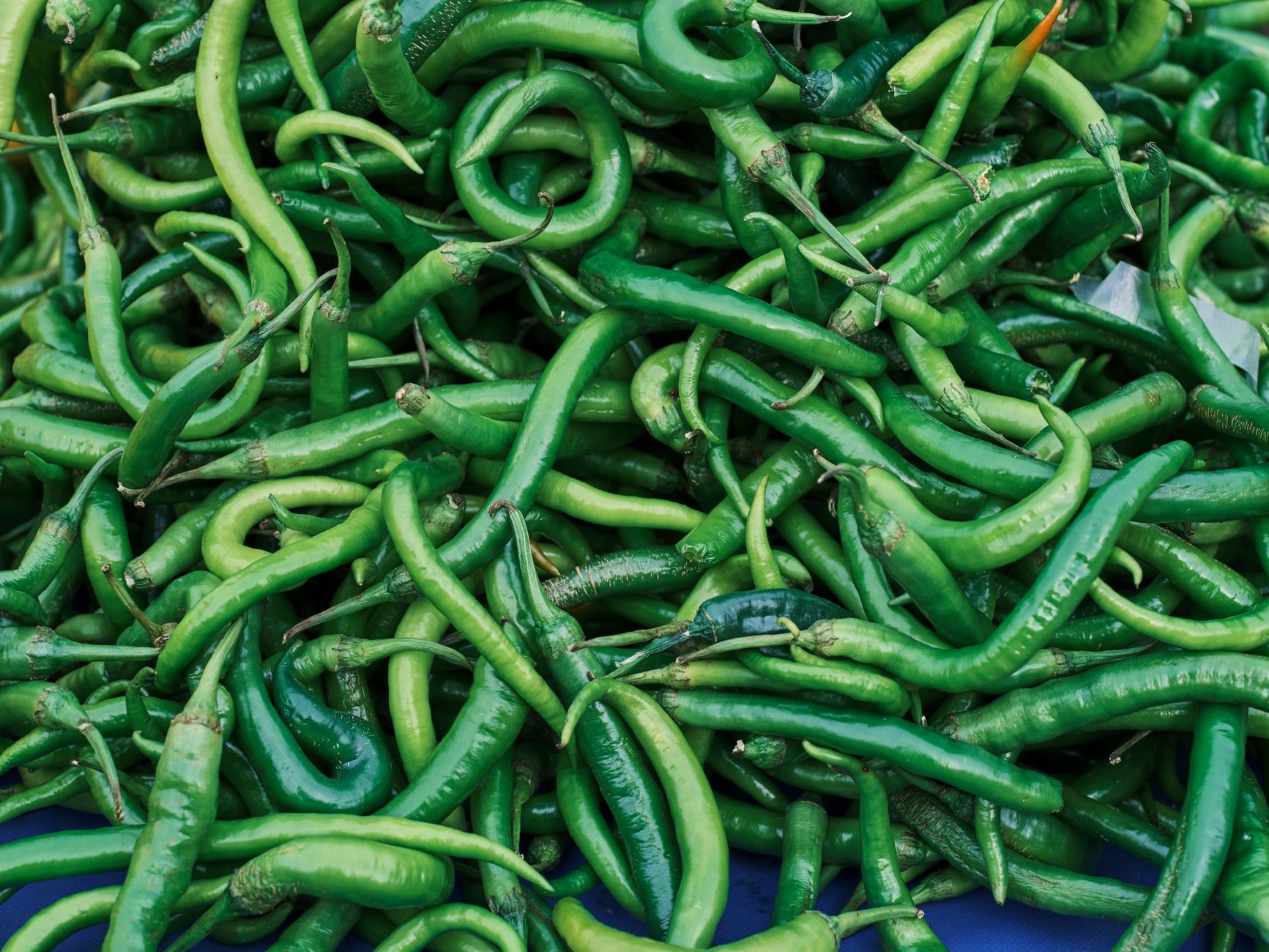
A major review found that people who consumed the most chili peppers had a substantially higher risk of esophageal cancer. The evidence was less clear for stomach and colorectal cancers. Researchers emphasize that the findings show an association, not proof of cause and effect, and that more research is needed to determine whether moderate consumption carries similar risks. The focus on chili peppers has significant implications for public health.
The relationship between chili peppers and cancer risk is complex. Chili peppers contain capsaicin, a compound that has been shown to have anti-inflammatory properties. However, the same compound may also have carcinogenic effects in certain contexts.
Chili Peppers and Esophageal Cancer
Esophageal cancer is a type of cancer that affects the esophagus, a tube-like structure that carries food from the mouth to the stomach. The review found that people who consumed the most chili peppers had a significantly higher risk of esophageal cancer. This association was observed in multiple studies, suggesting that chili peppers may play a role in the development of this type of cancer.
Several factors may contribute to the increased risk of esophageal cancer associated with chili pepper consumption. One possible explanation is that the capsaicin in chili peppers may cause irritation and inflammation in the esophagus, leading to the development of cancer over time. Additionally, people who consume large amounts of chili peppers may be more likely to have other risk factors for esophageal cancer, such as a family history of the disease or a history of smoking.
Chili Peppers and Stomach Cancer
The evidence for a link between chili peppers and stomach cancer is less clear. Some studies have suggested that chili pepper consumption may be associated with an increased risk of stomach cancer, while others have found no such association. The review noted that the evidence for a link between chili peppers and stomach cancer is limited and inconclusive.
Stomach cancer, also known as gastric cancer, is a type of cancer that affects the stomach. The disease is often associated with a combination of genetic and environmental factors, including a family history of stomach cancer, a history of smoking, and a diet high in salt and low in fruits and vegetables. While the evidence for a link between chili peppers and stomach cancer is unclear, it is possible that chili pepper consumption may play a role in the development of this type of cancer in certain individuals.
Chili Peppers and Colorectal Cancer
The review also examined the evidence for a link between chili peppers and colorectal cancer. Colorectal cancer is a type of cancer that affects the colon or rectum, and is often associated with a combination of genetic and environmental factors, including a family history of colorectal cancer, a history of smoking, and a diet low in fiber and high in red meat. The evidence for a link between chili peppers and colorectal cancer is limited and inconclusive.
Several studies have suggested that chili pepper consumption may be associated with a reduced risk of colorectal cancer. The capsaicin in chili peppers may have anti-inflammatory properties that help to protect against the development of colorectal cancer. However, more research is needed to confirm this association and to determine whether chili pepper consumption has a significant impact on colorectal cancer risk.
In addition to the potential health risks associated with chili pepper consumption, there are also several potential benefits. Chili peppers are a rich source of vitamins and minerals, including vitamin C and potassium. They also contain antioxidants and other compounds that may help to protect against chronic diseases such as heart disease and diabetes.
- Chili peppers are a good source of vitamin C and potassium
- Chili peppers contain antioxidants and other compounds that may help to protect against chronic diseases
- Chili pepper consumption may be associated with a reduced risk of certain types of cancer, including colorectal cancer
Conclusion and Future Directions
In conclusion, the review found that people who consumed the most chili peppers had a substantially higher risk of esophageal cancer. The evidence for a link between chili peppers and stomach and colorectal cancers is less clear. More research is needed to determine whether moderate consumption of chili peppers carries similar risks and to explore the potential health benefits of chili pepper consumption. As the focus on chili peppers continues to grow, it is essential to consider the potential risks and benefits of chili pepper consumption and to make informed decisions about diet and lifestyle.
Source: sciencedaily.com.






Be First to Comment