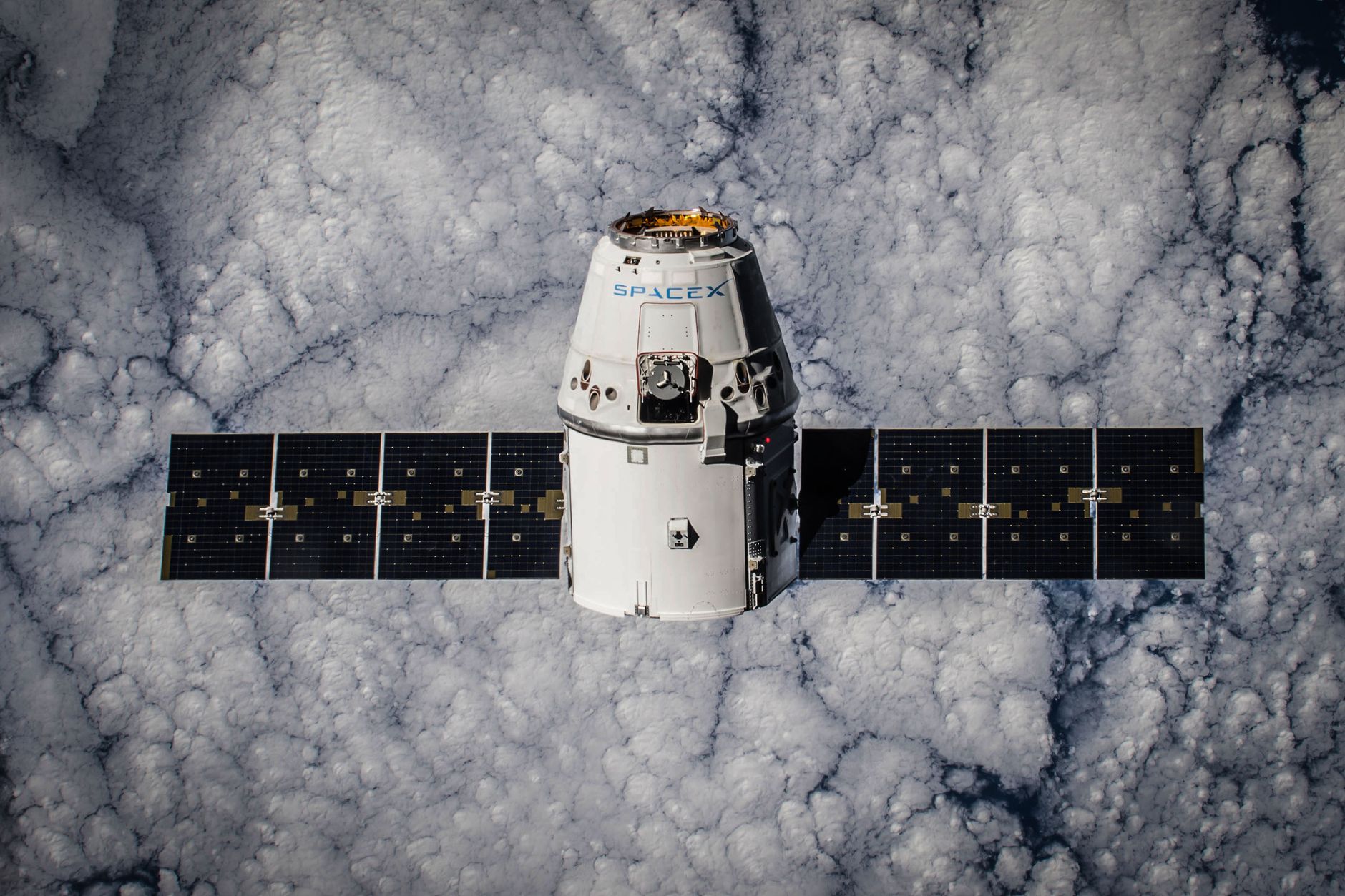
The space station has welcomed three new crew members, including NASA astronaut Anil Menon, Roscosmos cosmonauts Pyotr Dubrov and Anna Kikina, who arrived safely at the International Space Station on Tuesday. The trio launched aboard the Soyuz MS-29 spacecraft from the Baikonur Cosmodrome in Kazakhstan, bringing the orbiting laboratory’s crew to 10 for about the next two weeks.
During his stay aboard the station, Menon will conduct scientific research and technology demonstrations aimed at advancing human space exploration and benefiting life on Earth. He will continue research to refine in-space production of semiconductor crystals to enable the large-scale manufacturing of components needed for high-performance computers and improved medical devices.
Space Station Research
Menon also will perform ultrasound using augmented reality methods that could eliminate the need for medical support from Earth on future space missions. He will be a test subject helping researchers understand how blood flow is affected in space to protect future astronauts. He also will test bioprinting vascular constructs in microgravity to improve understanding of the aging process to advance therapeutic developments.
The space station has been continuously occupied by astronauts and cosmonauts since 2000, with its crew conducting thousands of scientific experiments and technology demonstrations. The station’s unique microgravity environment provides a unique laboratory for scientists to conduct research that cannot be done on Earth.
Benefits of Space Station Research
The research conducted on the space station has numerous benefits for life on Earth, from improving our understanding of the human body to developing new technologies. Some of the benefits of space station research include:
- Improved understanding of the human body in microgravity, which can help us develop new treatments for diseases such as osteoporosis and muscle wasting
- Development of new technologies, such as water purification systems and air recycling systems, which can be used in space and on Earth
- Advances in our understanding of the Earth’s climate and weather patterns, which can help us better predict and prepare for natural disasters
The space station is a unique and valuable resource for scientific research, and its crew plays a critical role in conducting experiments and collecting data. As the station continues to operate, we can expect to see even more groundbreaking research and discoveries.
Future of Space Station
The space station is scheduled to operate until at least 2028, with plans to extend its operation until 2030 or beyond. The station’s crew will continue to conduct research and technology demonstrations, and will also play a critical role in the development of new spacecraft and missions. As the space station enters its third decade of operation, it is clear that it will remain a vital part of our space program for years to come.
Conclusion
In conclusion, the space station is a vital part of our space program, providing a unique laboratory for scientists to conduct research and develop new technologies. With its crew of astronauts and cosmonauts, the station is able to conduct a wide range of experiments and demonstrations, from refining in-space production of semiconductor crystals to testing bioprinting vascular constructs in microgravity. As the station continues to operate, we can expect to see even more groundbreaking research and discoveries that will benefit life on Earth and advance our understanding of the universe.
Source: nasa.gov.






Be First to Comment