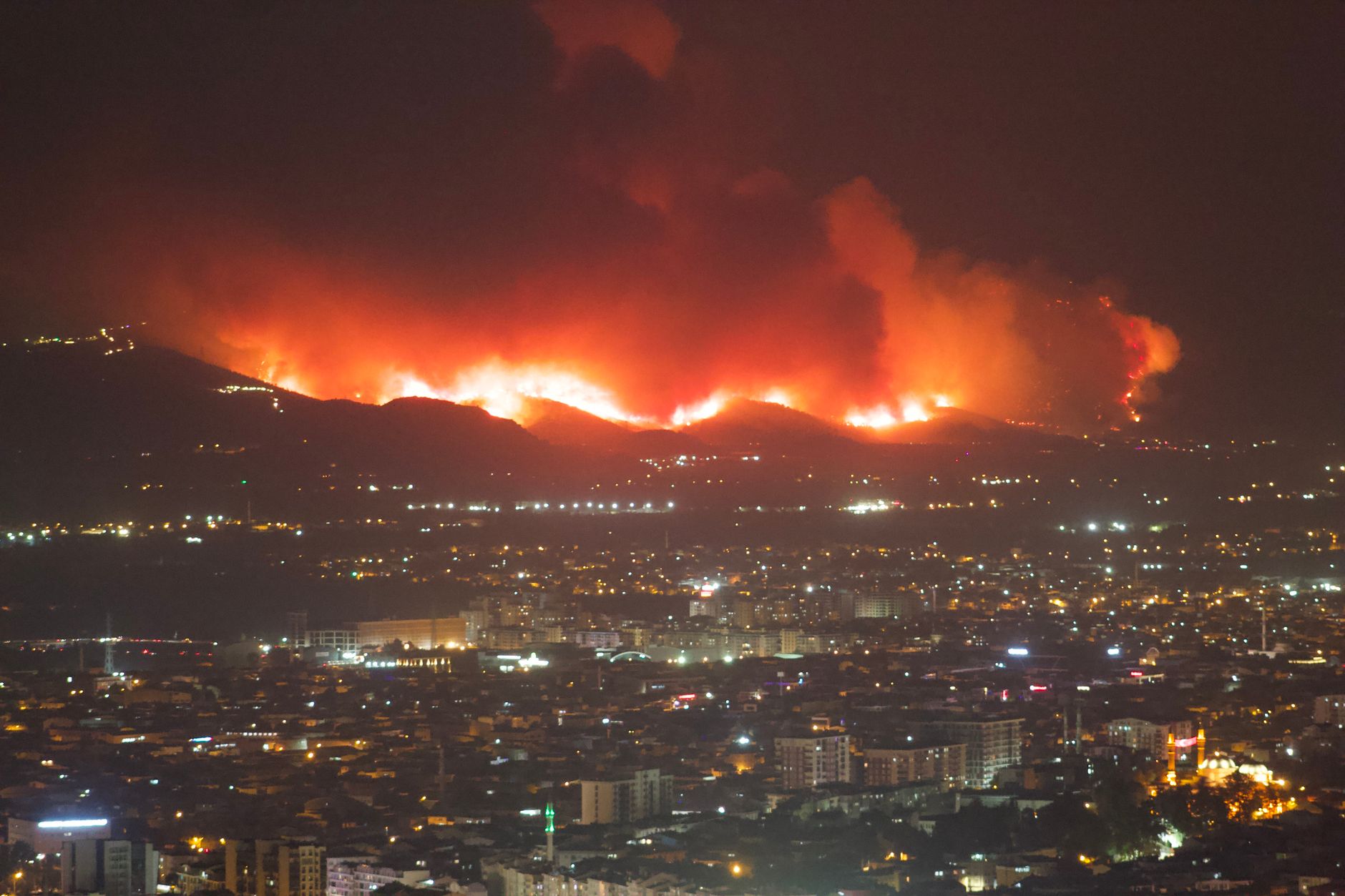
Polluted cities have become a significant concern in recent years, with wildfires burning across various regions. The focus on polluted cities has increased as the air quality in many urban areas continues to deteriorate. Canadian officials have reported that fire activity in Ontario is beginning to ease, which is expected to improve air quality in US cities as well.
The impact of wildfires on polluted cities is a complex issue, involving multiple factors such as climate change, human activity, and geographical location. As the world grapples with the challenges of polluted cities, it is essential to understand the causes and effects of this phenomenon.
Polluted Cities and Wildfires
The relationship between polluted cities and wildfires is intricate. Wildfires can release large amounts of pollutants into the air, exacerbating the existing air quality issues in urban areas. This can have severe consequences for the health and well-being of city residents.
Some of the most polluted cities in the world are located in regions prone to wildfires. For instance, cities in California, such as Los Angeles and San Francisco, are often affected by wildfires in the state. Similarly, cities in Australia, such as Sydney and Melbourne, have experienced severe air pollution due to bushfires in the country.
Causes of Polluted Cities
There are several causes of polluted cities, including human activity, industrial emissions, and natural disasters like wildfires. The burning of fossil fuels, such as coal and oil, releases harmful pollutants into the air, contributing to air pollution in urban areas.
Additionally, the increasing population in cities has led to a rise in vehicle emissions, further deteriorating air quality. The lack of effective waste management systems in some cities also contributes to pollution, as waste can burn and release toxic fumes into the air.
Effects of Polluted Cities
The effects of polluted cities are far-reaching and can have severe consequences for human health and the environment. Air pollution in urban areas can cause respiratory problems, such as asthma and lung cancer, and can also exacerbate existing health conditions.
The economic impacts of polluted cities are also significant, as poor air quality can reduce productivity and increase healthcare costs. Furthermore, polluted cities can have a negative impact on the environment, as air pollution can damage crops and ecosystems.
- Respiratory problems, such as asthma and lung cancer
- Exacerbation of existing health conditions
- Economic impacts, such as reduced productivity and increased healthcare costs
- Environmental damage, such as crop damage and ecosystem disruption
Conclusion and Future Directions
In conclusion, polluted cities are a significant concern that requires immediate attention. The focus on polluted cities must continue to increase, with efforts to reduce air pollution and improve air quality in urban areas. This can be achieved through a combination of policy changes, technological innovations, and individual actions.
As the world moves forward, it is essential to prioritize the health and well-being of city residents and the environment. By working together, we can create a cleaner, healthier, and more sustainable future for polluted cities.
Source: bbc.co.uk.





Be First to Comment