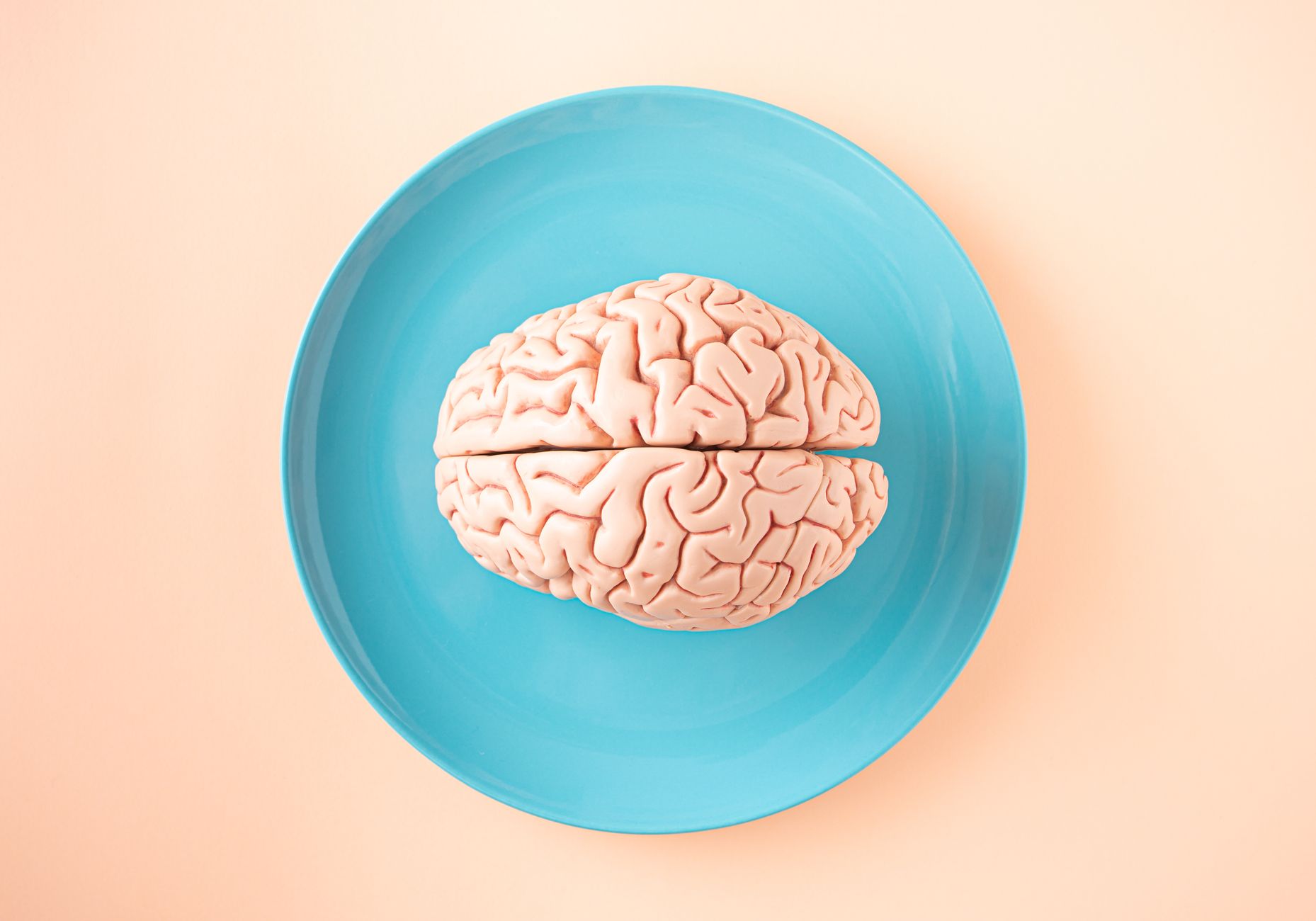
For a long time, scientists have been trying to understand how our brains process and adapt to change. This is especially important when it comes to breaking bad habits, which can be notoriously difficult to shake. Recently, a team of researchers made a significant breakthrough in this area, identifying a key brain chemical that plays a crucial role in helping us break free from old habits and adapt to new circumstances.
Understanding Habits and the Brain
Habits are automatic responses to specific situations, and they can be incredibly hard to change. This is because habits are deeply ingrained in our brains, often operating below the level of conscious awareness. When we repeat a behavior over and over, it creates a kind of neural pathway in the brain, making it easier to follow that same path in the future. But what happens when we need to change those habits?
To investigate this question, researchers used a unique approach. They created a virtual maze that mice could navigate, with rewards and punishments designed to mimic real-life situations. By watching how the mice responded to different scenarios, the scientists were able to gain insights into the brain’s decision-making processes.
The Role of Disappointment and Acetylcholine
One of the key findings from this research was the importance of disappointment in triggering change. When the mice in the study encountered a situation where they expected a reward but didn’t get one, it triggered a surge of the neurotransmitter acetylcholine. This chemical signal appeared to play a crucial role in helping the mice adapt and try new strategies. In contrast, when acetylcholine was blocked, the mice became more rigid and less likely to change their behavior.
This discovery has significant implications for our understanding of how the brain works. It suggests that acetylcholine is a kind of ‘switch’ that helps us shift from one pattern of behavior to another. When we experience disappointment or frustration, it can be a catalyst for change, prompting us to re-evaluate our habits and try new approaches.
Implications for Human Behavior
So what does this research mean for humans? While the study was conducted on mice, the findings have important implications for our own behavior. By understanding the role of acetylcholine in breaking habits, we may be able to develop new strategies for overcoming bad habits and adopting healthier ones. This could be especially useful in areas such as addiction treatment, where breaking old patterns of behavior is a crucial part of recovery.
Some potential strategies for leveraging the power of acetylcholine include:
- Embracing disappointment as a catalyst for change, rather than trying to avoid it
- Using frustration or disappointment as a signal to re-evaluate habits and try new approaches
- Developing mindfulness practices to increase awareness of our thoughts and behaviors, making it easier to identify and change bad habits
Future Directions and Questions
While this research is an important step forward in our understanding of the brain and behavior, there are still many questions to be answered. For example, how exactly does acetylcholine interact with other brain chemicals to facilitate change? Are there other factors that can influence the brain’s ability to adapt and break habits?
Further research is needed to fully explore the implications of this discovery. However, one thing is clear: by understanding the complex processes that drive our behavior, we can develop more effective strategies for creating positive change in our lives. Whether we’re trying to break a bad habit or simply become more adaptable, the science of change is an exciting and rapidly evolving field that holds great promise for the future.
Source: sciencedaily.com.





Be First to Comment