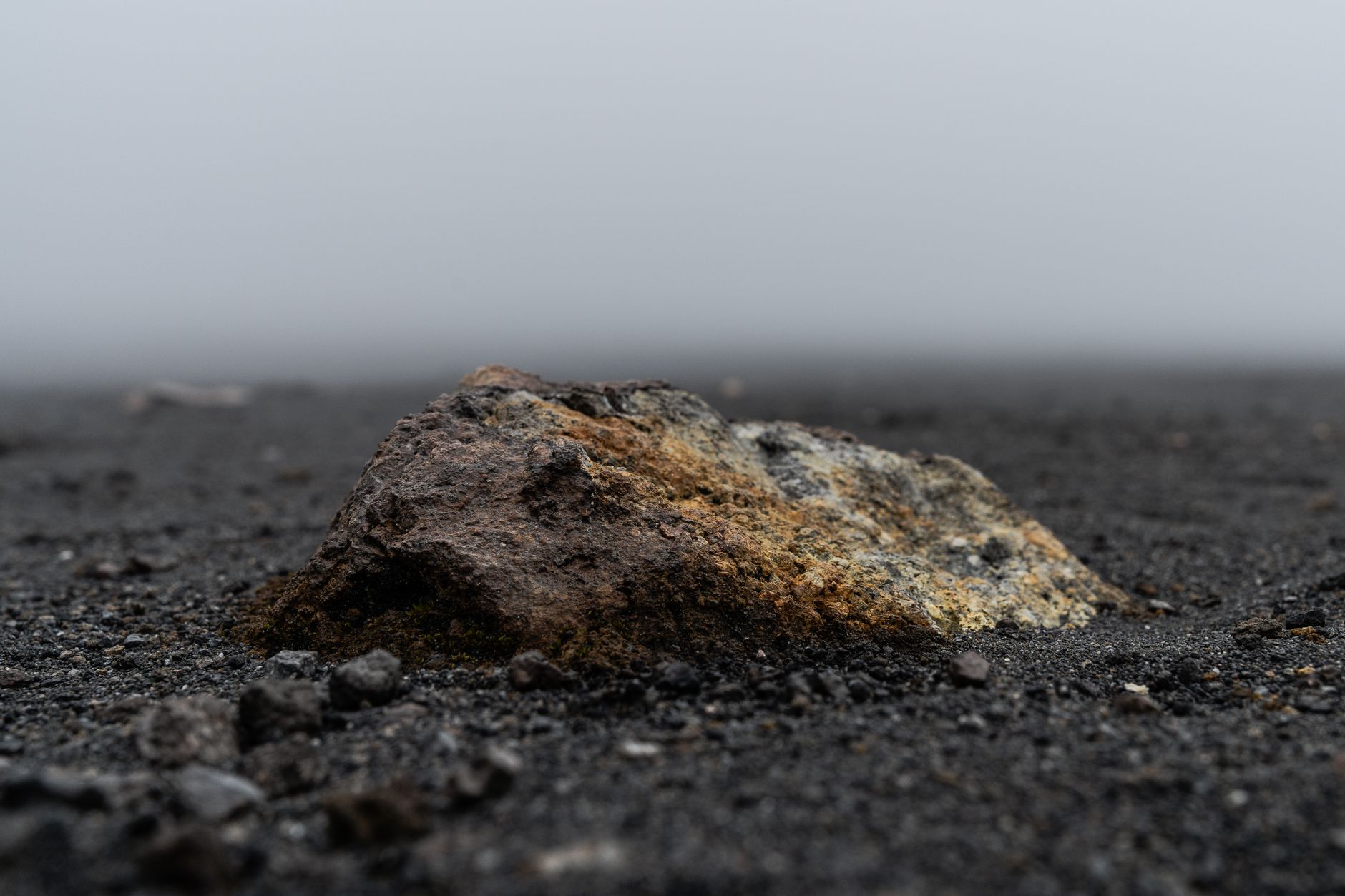
Mount Etna, Europe’s most active volcano, has long puzzled geologists with its unique characteristics that don’t fit any of the three classic ways volcanoes are thought to form. The volcano origin of Mount Etna is a subject of ongoing research, with scientists attempting to understand the underlying processes that drive its activity. Recent studies suggest that Mount Etna may be fueled by ancient pockets of magma that are pushed upward through cracks created by shifting tectonic plates.
This new theory challenges the traditional understanding of volcano formation, which is typically categorized into three main types: subduction zone volcanoes, hotspot volcanoes, and continental rift volcanoes. The volcano origin of Mount Etna may instead belong to a rare fourth category, one that is characterized by the presence of ancient magma pockets and tectonic plate movement.
Volcano Origin Theories
Geologists have long recognized that volcanoes can form in a variety of ways, depending on the underlying tectonic processes. The three classic types of volcano formation are well established, but the volcano origin of Mount Etna suggests that there may be more complexity to the process than previously thought. The new theory proposes that Mount Etna’s unique characteristics are the result of a combination of factors, including the presence of ancient magma pockets and the movement of tectonic plates.
The implications of this new theory are significant, as it challenges our current understanding of volcano formation and suggests that there may be other volcanoes around the world that belong to this rare fourth category. Further research is needed to fully understand the volcano origin of Mount Etna and to determine the extent to which this new theory applies to other volcanoes.
Understanding Volcano Formation
Volcanoes are complex systems that involve the interaction of multiple geological processes. The formation of a volcano typically involves the movement of tectonic plates, the presence of magma, and the eruption of volcanic materials. The volcano origin of Mount Etna is a prime example of the complexity of these processes, and highlights the need for continued research into the underlying mechanisms that drive volcanic activity.
- Subduction zone volcanoes form when one tectonic plate is forced beneath another, resulting in the melting of the Earth’s crust and the production of magma.
- Hotspot volcanoes form when magma rises to the surface from a fixed point, such as a mantle plume.
- Continental rift volcanoes form when tectonic plates are pulled apart, resulting in the formation of new crust and the eruption of volcanic materials.
The volcano origin of Mount Etna may belong to a rare fourth category, one that is characterized by the presence of ancient magma pockets and tectonic plate movement. This new theory has significant implications for our understanding of volcano formation, and highlights the need for continued research into the underlying mechanisms that drive volcanic activity.
Implications and Questions to Watch
The discovery of a rare fourth category of volcano formation has significant implications for our understanding of geological processes. The volcano origin of Mount Etna is a prime example of the complexity of these processes, and highlights the need for continued research into the underlying mechanisms that drive volcanic activity. As scientists continue to study the volcano origin of Mount Etna, several questions remain to be answered, including the extent to which this new theory applies to other volcanoes, and the implications of this discovery for our understanding of geological hazards and risk assessment.
Conclusion
In conclusion, the volcano origin of Mount Etna is a complex and fascinating topic that challenges our current understanding of volcano formation. The discovery of a rare fourth category of volcano formation has significant implications for our understanding of geological processes, and highlights the need for continued research into the underlying mechanisms that drive volcanic activity. As scientists continue to study the volcano origin of Mount Etna, we can expect to gain a deeper understanding of the complex processes that shape our planet.
Source: sciencedaily.com.





Be First to Comment