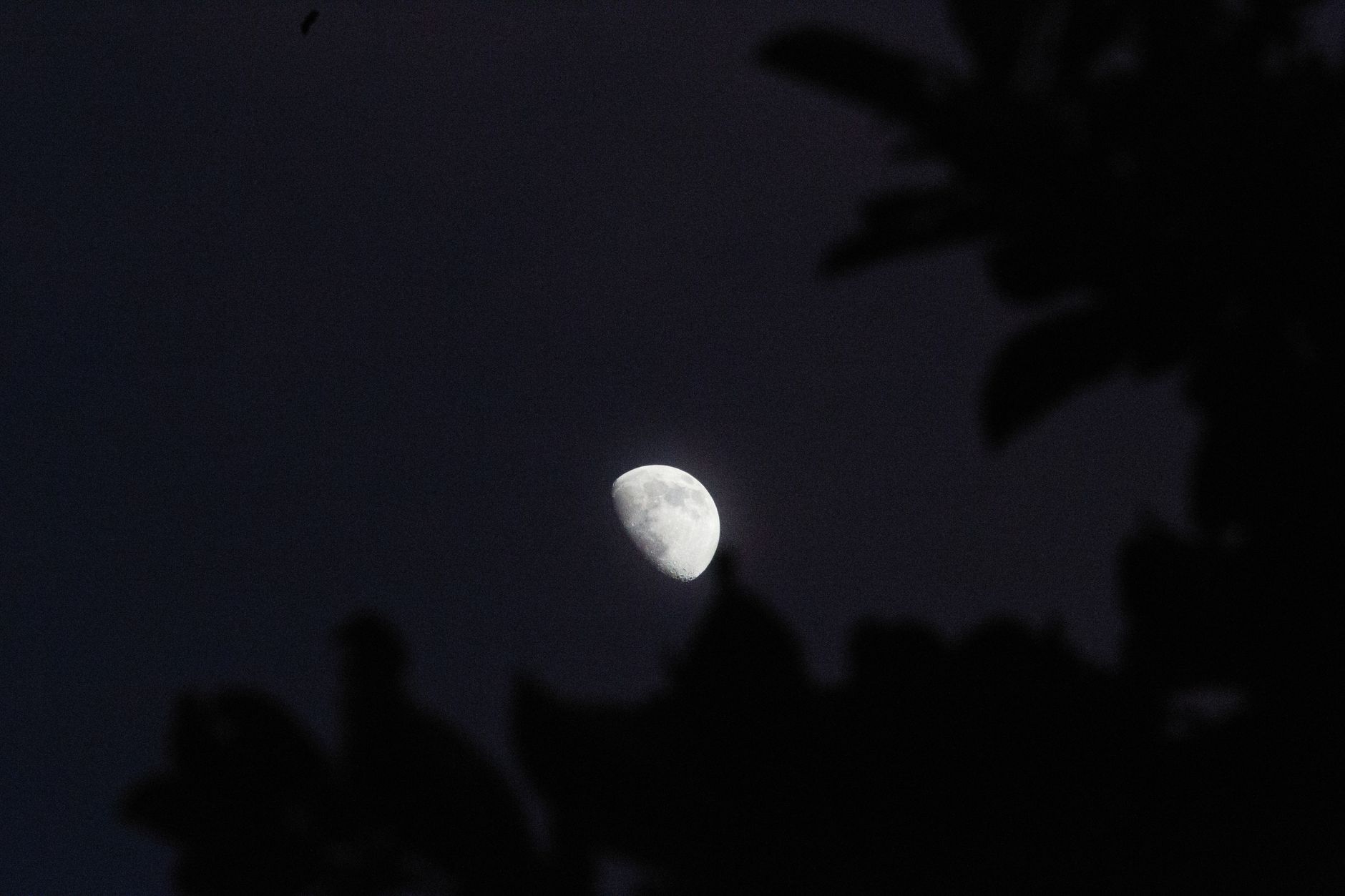
The waxing gibbous moon is a fascinating phase of the lunar cycle, where the moon appears to be growing larger and brighter in the night sky. This phase occurs when the moon is more than half full, but not yet fully illuminated by the sun. The waxing gibbous moon is a significant phase, as it signals the approaching full moon, an event that has captivated human imagination for centuries.
The latest image of the waxing gibbous moon was captured by NASA’s International Space Station on June 26, 2026. The space station was orbiting the Earth at an altitude of 264 miles above the Indian Ocean, southeast of Madagascar. The image provides a stunning view of the moon’s surface, with its craters, mountains, and lava flows visible in remarkable detail.
Understanding the Waxing Gibbous Moon Phase
The waxing gibbous moon phase is the third phase of the lunar cycle, following the first quarter and preceding the full moon. During this phase, the moon’s illuminated surface area increases, making it appear brighter and larger in the night sky. The waxing gibbous moon is often visible in the evening, after sunset, and can be seen in the western sky.
The waxing gibbous moon has been an important phase for astronomers and space enthusiasts, as it provides an opportunity to study the moon’s surface and composition. The moon’s surface features, such as craters, mountains, and lava flows, are visible in greater detail during this phase, allowing scientists to gain insights into the moon’s geological history.
The Significance of the Waxing Gibbous Moon
The waxing gibbous moon has significant cultural and symbolic meanings, representing growth, expansion, and increasing energy. In many ancient cultures, the waxing gibbous moon was associated with fertility, abundance, and prosperity. The phase is also often linked with the concept of manifestation, where individuals focus on bringing their desires and goals into reality.
In modern times, the waxing gibbous moon has become a popular subject for photography and astronomy. The phase offers a unique opportunity for photographers to capture stunning images of the moon, with its illuminated surface and dramatic shadows. For astronomers, the waxing gibbous moon provides a chance to study the moon’s surface and composition, using advanced telescopes and imaging techniques.
Observing the Waxing Gibbous Moon
Observing the waxing gibbous moon can be a rewarding experience, offering a chance to appreciate the beauty and complexity of the lunar cycle. To observe the waxing gibbous moon, individuals can use a pair of binoculars or a telescope, depending on their level of interest and expertise.
- Use a pair of binoculars to observe the moon’s surface features, such as craters and mountains.
- Use a telescope to observe the moon’s surface in greater detail, with higher magnification and resolution.
- Observe the moon’s phase and position in the night sky, using a planisphere or a mobile app.
By observing the waxing gibbous moon, individuals can gain a deeper appreciation for the lunar cycle and the moon’s significance in our lives. The waxing gibbous moon is a reminder of the beauty and wonder of the natural world, inspiring us to explore and understand the universe around us.
Conclusion and Future Directions
In conclusion, the waxing gibbous moon is a significant phase of the lunar cycle, offering a unique opportunity to study the moon’s surface and composition. The phase has cultural and symbolic meanings, representing growth, expansion, and increasing energy. As we continue to explore and understand the universe, the waxing gibbous moon remains an important subject for astronomers, photographers, and enthusiasts alike.
Source: nasa.gov.






Be First to Comment