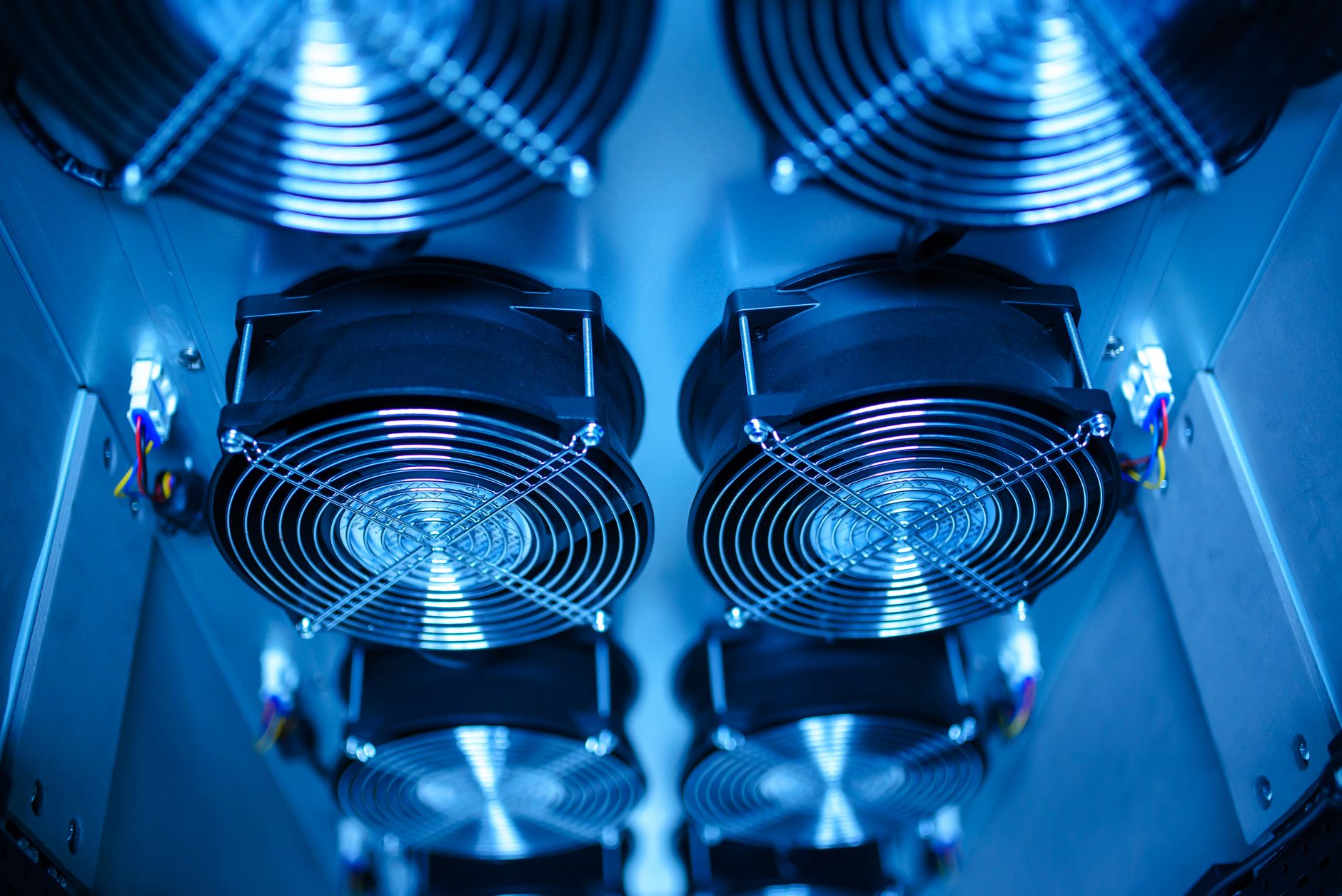
Data centers are increasingly becoming a major factor in the US energy landscape, with their energy demand threatening to undermine President Donald Trump’s Made in America plan. The focus_keyword is at the heart of this issue, as growing energy demand from data centers strains the largest power grid operator in the United States. This has resulted in significantly higher electricity costs for US manufacturers in many Rust Belt cities and towns.
Factory electricity bills are generally rising faster than those for other business customers or residential customers. For instance, the Belden Brick Company, a 141-year-old brick manufacturer in Ohio, has seen its electricity bills soar from $1,600 to $12,000 per month due to a higher monthly capacity charge in the 13-state region served by the grid operator PJM Interconnection.
Data Centers and Energy Demand
The Steel Manufacturers Association has warned that US steel companies concentrated in the Rust Belt region served by PJM Interconnection are paying tens of millions of dollars in higher power costs per year. Electricity accounts for 20 to 40 percent of the total production costs of making steel. This increase in energy costs could further undermine Trump’s Made in America plan to revive US manufacturing.
Meanwhile, Trump has simultaneously championed the tech companies behind the AI data center boom. This has led to a surge in data center construction, with many of these facilities being built in the same regions as manufacturing plants. As a result, the demand for energy from data centers is driving up electricity costs for manufacturers.
Impact on US Manufacturing
The impact of data centers on US manufacturing is a complex issue, with both positive and negative effects. On the one hand, data centers create jobs and stimulate local economies. On the other hand, they drive up energy costs and strain the power grid. To mitigate these effects, manufacturers and data center operators must work together to find solutions that balance the needs of both industries.
- Increase energy efficiency in data centers
- Implement demand response programs to reduce peak energy demand
- Invest in renewable energy sources to reduce reliance on fossil fuels
Conclusion and Future Outlook
In conclusion, the growth of data centers is driving up energy costs for US manufacturers, posing a threat to Trump’s Made in America plan. To address this issue, it is essential to find a balance between the needs of data centers and manufacturers. By increasing energy efficiency, implementing demand response programs, and investing in renewable energy sources, we can reduce the strain on the power grid and create a more sustainable future for both industries. As the demand for data centers continues to grow, it is crucial to monitor the impact on US manufacturing and work towards finding solutions that benefit both sectors.
Questions to Watch
As the situation unfolds, there are several questions to watch. How will the growth of data centers affect US manufacturing in the long term? What measures can be taken to reduce the strain on the power grid? How will the Trump administration respond to the increasing energy costs faced by manufacturers? The answers to these questions will be crucial in determining the future of US manufacturing and the role of data centers in the energy landscape.
Source: arstechnica.com.






Be First to Comment