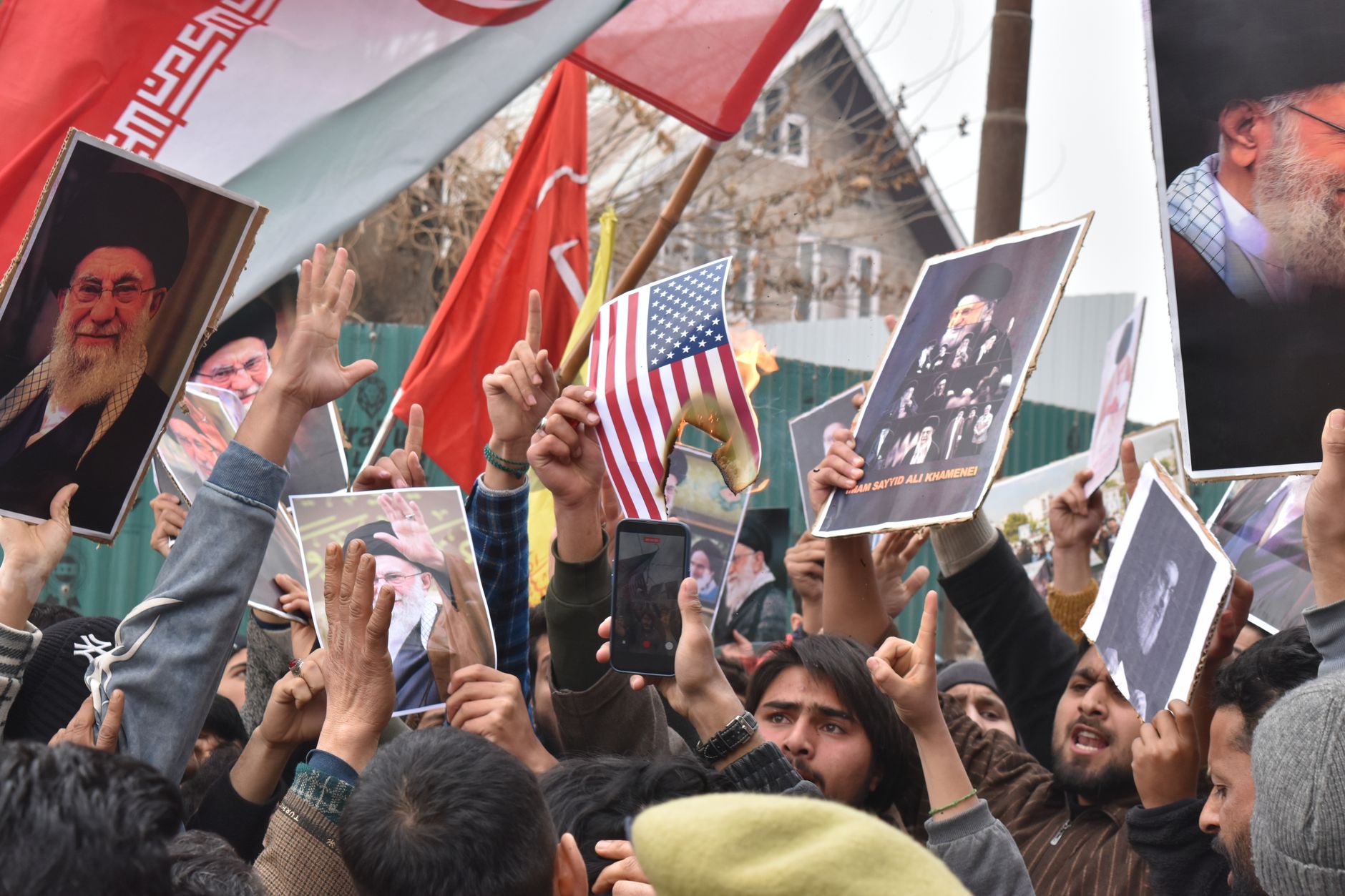
The iran strikes crisis has escalated as Trump threatens to strike Iran again, warning that anything that happens will be over quickly. This statement was made at a Nato summit, where the president emphasized the US will probably strike Iran again. The situation is tense, with Tehran warning of a fearless response to any US aggression.
The history of US-Iran relations is complex, with periods of heightened tension and brief moments of diplomacy. The current crisis has its roots in the US withdrawal from the Joint Comprehensive Plan of Action (JCPOA), also known as the Iran nuclear deal. Since then, Iran has begun to enrich uranium beyond the limits set by the agreement, prompting the US to impose stricter sanctions.
Iran Strikes: A History of Conflict
The US and Iran have a long and complicated history, with the 1979 Iranian Revolution marking a significant turning point. The US supported the Shah of Iran, who was overthrown during the revolution, leading to a deterioration in relations. The US has since imposed various sanctions on Iran, citing concerns over its nuclear program and human rights record.
In recent years, the US has increased its military presence in the region, with a particular focus on the Strait of Hormuz, a vital shipping lane for oil exports. This has led to increased tensions, with Iran accusing the US of attempting to strangle its economy. The current crisis has raised concerns about the potential for a wider conflict, with the US and its allies on one side and Iran and its proxies on the other.
Implications of Iran Strikes
The implications of iran strikes are far-reaching, with the potential to destabilize the entire region. A conflict between the US and Iran could lead to a significant increase in oil prices, as well as a disruption to global trade. The humanitarian consequences could also be severe, with the potential for civilian casualties and a refugee crisis.
- The US and its allies could face significant economic costs, including increased oil prices and a potential recession.
- Iran could face severe economic sanctions, as well as the potential for regime change.
- The region could experience a significant increase in instability, with the potential for a wider conflict.
The international community has called for restraint, with the UN Secretary-General urging both sides to avoid further escalation. The EU has also expressed concern, with the European Commission President warning of the dangers of a wider conflict.
Expert Analysis
Experts have warned that the current crisis is the most severe in decades, with the potential for a catastrophic conflict. The US and Iran have a long history of tensions, but the current situation is particularly volatile. The use of proxy forces and cyber attacks has increased the risk of miscalculation, with the potential for a wider conflict.
The role of other regional players, such as Saudi Arabia and Israel, could also be significant. Both countries have a history of tensions with Iran, and could potentially be drawn into a conflict. The US has also increased its military presence in the region, with a particular focus on the Strait of Hormuz.
Questions to Watch
As the crisis continues to unfold, there are several questions to watch. Will the US and Iran engage in direct talks, or will the current tensions continue to escalate? How will other regional players, such as Saudi Arabia and Israel, respond to the crisis? What will be the impact on global trade and the economy?
Source: bbc.co.uk.






Be First to Comment