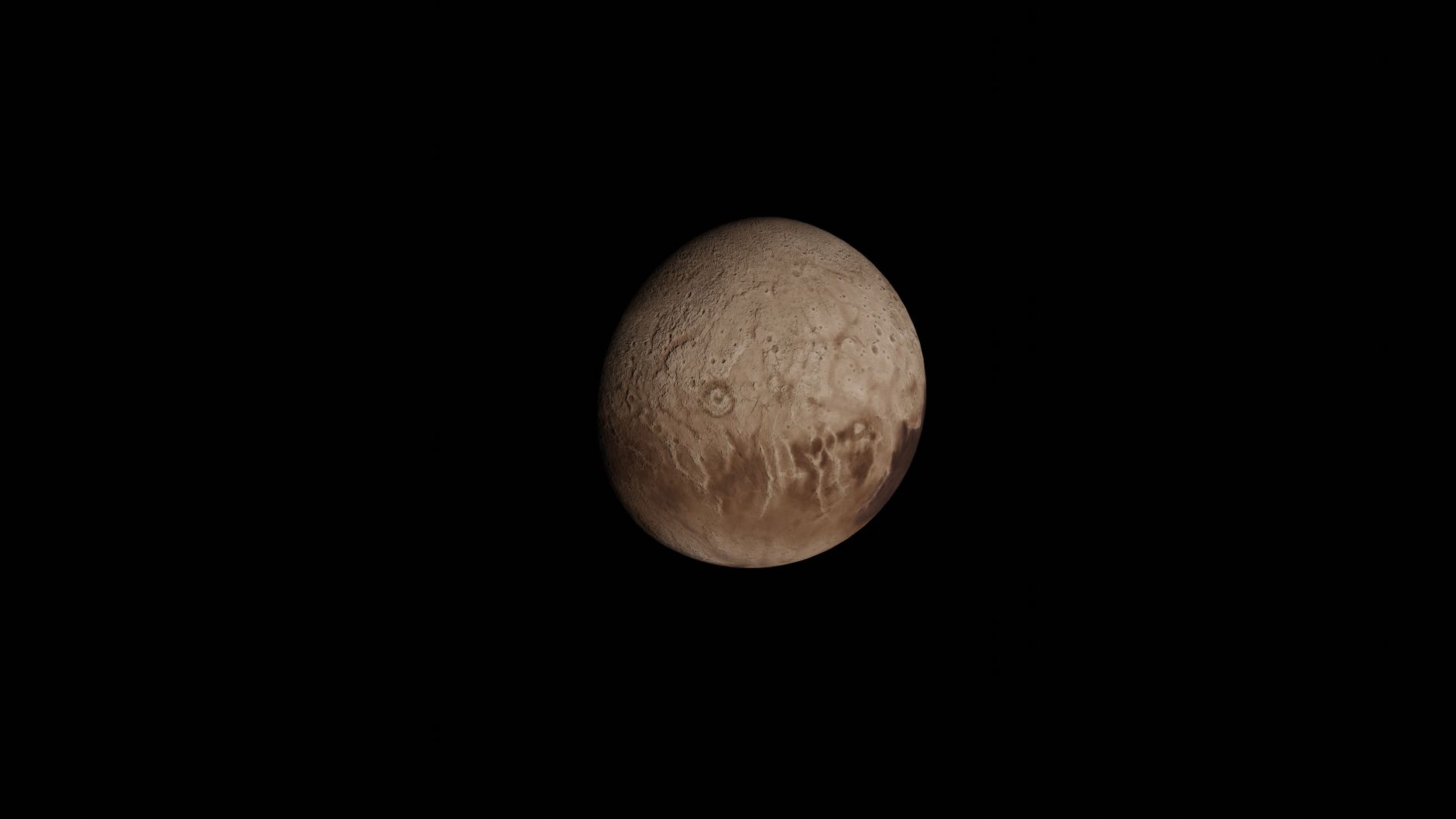
The New Horizons spacecraft has emerged from its longest hibernation period, nearly a year, in good health and is ready to begin transmitting science data gathered in the distant Kuiper Belt. New Horizons is approximately 5.9 billion miles from Earth, and the radio signals carrying its confirmation took about 8 hours and 52 minutes to reach the mission operations center.
The mission team typically places New Horizons in resource-saving hibernation mode during long cruise periods. While the spacecraft is hibernating, operators do not send commands or retrieve data, but the spacecraft continues gathering and storing data around the clock from its heliospheric plasma sensors, Solar Wind at Pluto, and the Pluto Energetic Particle Spectrometer Science Investigation, as well as its space dust detector, the Venetia Burney Student Dust Counter.
New Horizons Spacecraft Wakes from Hibernation
Alice Bowman, the New Horizons mission operations manager, said the spacecraft reported back to Earth with a weekly status beacon. Every status report through this hibernation period was ‘green,’ meaning all was well aboard New Horizons each and every week.
As New Horizons resumes active operations, the team will begin downlinking spacecraft health and safety data, followed by data from the three scientific instruments. In about three weeks, the spacecraft’s onboard Alice ultraviolet spectrograph will look at the hydrogen gas distribution in the outer heliosphere.
Exploring the Kuiper Belt
The Kuiper Belt is a region of the solar system that contains many small, icy bodies, including dwarf planets like Pluto. New Horizons is operating on updated autonomy logic designed for operations farther from the Sun and to accommodate the expected reduction in power and the naturally occurring increase in radio-signal travel time.
- The spacecraft’s exploration of this distant region of the solar system marks the latest step in a journey that began in January 2006 with the fastest launch on record.
- A flyby of Jupiter in February 2007 that included stunning views of the gas giant and its moons.
- The first exploration through the Pluto system in July 2015.
- The first exploration of a Kuiper Belt object, Arrokoth, in January 2019.
- Unique studies of the Sun’s outer heliosphere and dozens of additional Kuiper Belt objects since then.
Implications and Future Discoveries
The New Horizons spacecraft’s exploration of the Kuiper Belt has significant implications for our understanding of the solar system. The data gathered by the spacecraft will help scientists better understand the formation and evolution of the solar system, as well as the properties of the Kuiper Belt and its inhabitants.
Conclusion and Future Prospects
In conclusion, the New Horizons spacecraft’s emergence from hibernation marks an exciting new chapter in its journey through the Kuiper Belt. As the spacecraft resumes active operations and begins transmitting science data, scientists will gain a deeper understanding of this distant region of the solar system. With its updated autonomy logic and continued exploration of the Kuiper Belt, New Horizons is poised to make new discoveries and shed light on the secrets of the outer heliosphere.
Source: science.nasa.gov.






Be First to Comment