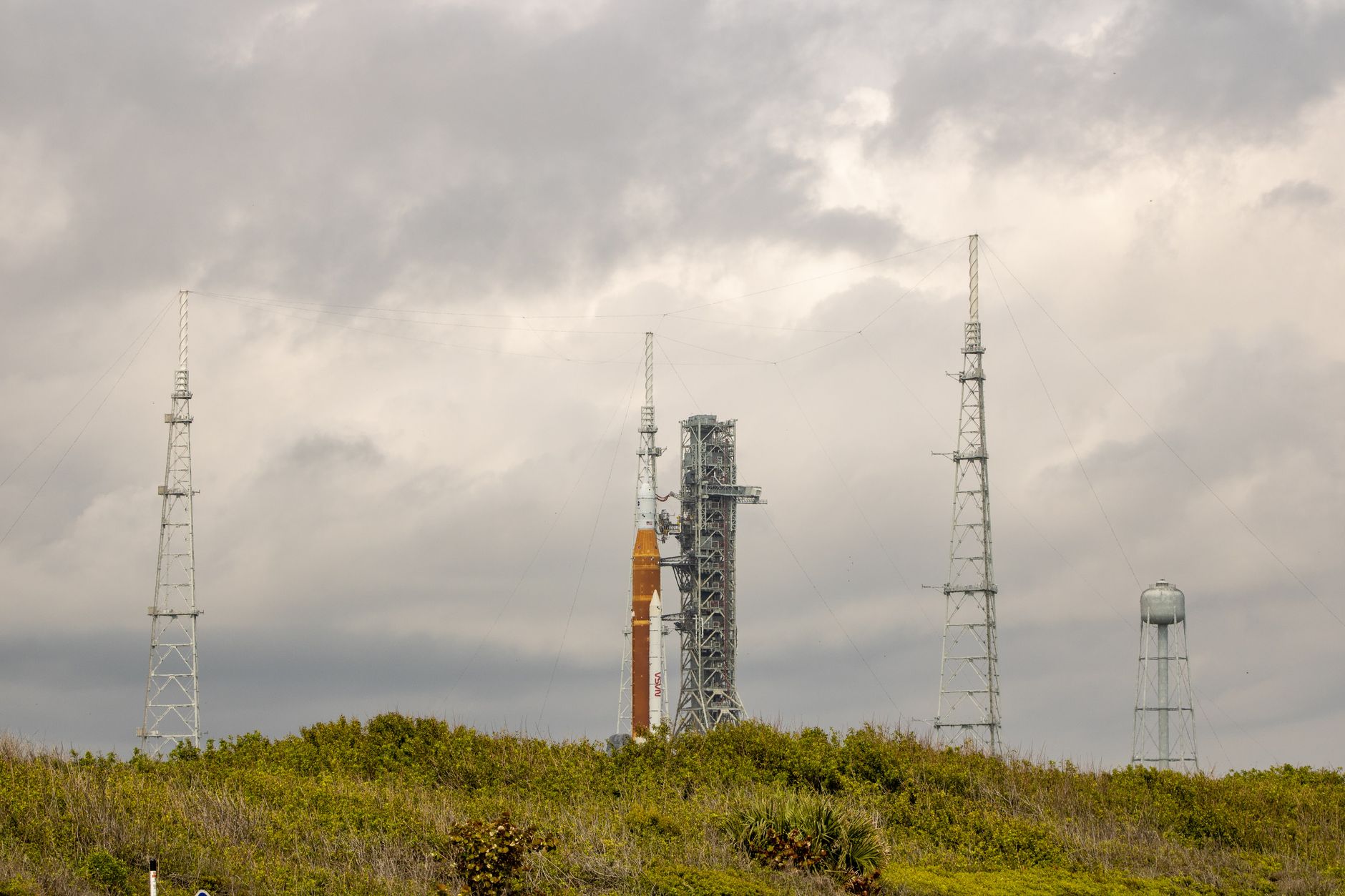
NASA has taken a significant step forward in its ambitious Artemis program, announcing the crew for the upcoming Artemis III mission. The space agency has scheduled the mission to launch no earlier than summer 2027, marking a crucial milestone in its plans to return humans to the lunar surface.
Artemis III Mission Overview
The Artemis III mission is part of NASA’s broader effort to establish a sustainable presence on the Moon. The mission will involve the crew docking with two separate landers, one from Blue Origin and the other from SpaceX, while in low-Earth orbit. This complex operation will be a first for NASA, requiring precise coordination and communication between the crew, the landers, and mission control.
Crew Announcement and Mission Objectives
The crew for the Artemis III mission has been selected, although the specific details of their roles and responsibilities have not been fully disclosed. NASA’s Artemis program manager, Jeremy Parsons, provided some insight into the mission’s objectives, including the crew’s interaction with the Blue Origin and SpaceX landers. The landers will play a critical role in the mission, serving as a means for the crew to descend to the lunar surface and conduct scientific experiments.
Some of the key questions surrounding the landers’ readiness and design remain unanswered. The presentation by NASA officials highlighted the agency’s plans for the mission, but the specifics of the landers’ capabilities and limitations were not fully addressed. In an interview with Ars, Parsons provided some additional information, shedding light on the agency’s plans for the mission.
Challenges and Implications
The Artemis III mission poses significant technical and logistical challenges for NASA. The agency must ensure that the crew can safely dock with the landers, conduct their experiments, and return to the lunar orbit. The mission will also require careful planning and coordination to ensure that the landers are functioning correctly and that the crew has the necessary resources to complete their objectives.
The success of the Artemis III mission will have important implications for NASA’s future plans, including the establishment of a sustainable human presence on the Moon. The agency’s ability to overcome the challenges posed by this mission will be crucial in determining the trajectory of its lunar exploration program.
Key Questions and Future Developments
Several key questions remain unanswered, including the specific design and capabilities of the Blue Origin and SpaceX landers. The timeline for the mission’s launch and the crew’s training schedule are also important factors that will influence the success of the Artemis III mission. As NASA continues to work towards the mission’s launch, these questions will likely be addressed in more detail, providing a clearer understanding of the agency’s plans and objectives.
Some of the key areas to watch in the coming months include:
- The development and testing of the Blue Origin and SpaceX landers
- The crew’s training schedule and preparation for the mission
- NASA’s plans for establishing a sustainable human presence on the Moon
As the Artemis III mission draws closer, NASA will likely provide more information on these topics, offering a clearer understanding of the agency’s plans and objectives.
The Artemis III mission represents a significant step forward for NASA’s lunar exploration program, with important implications for the agency’s future plans. As the mission’s launch approaches, it will be essential to monitor the agency’s progress and address the key questions surrounding the landers’ readiness and design.
Source: arstechnica.com.






Be First to Comment