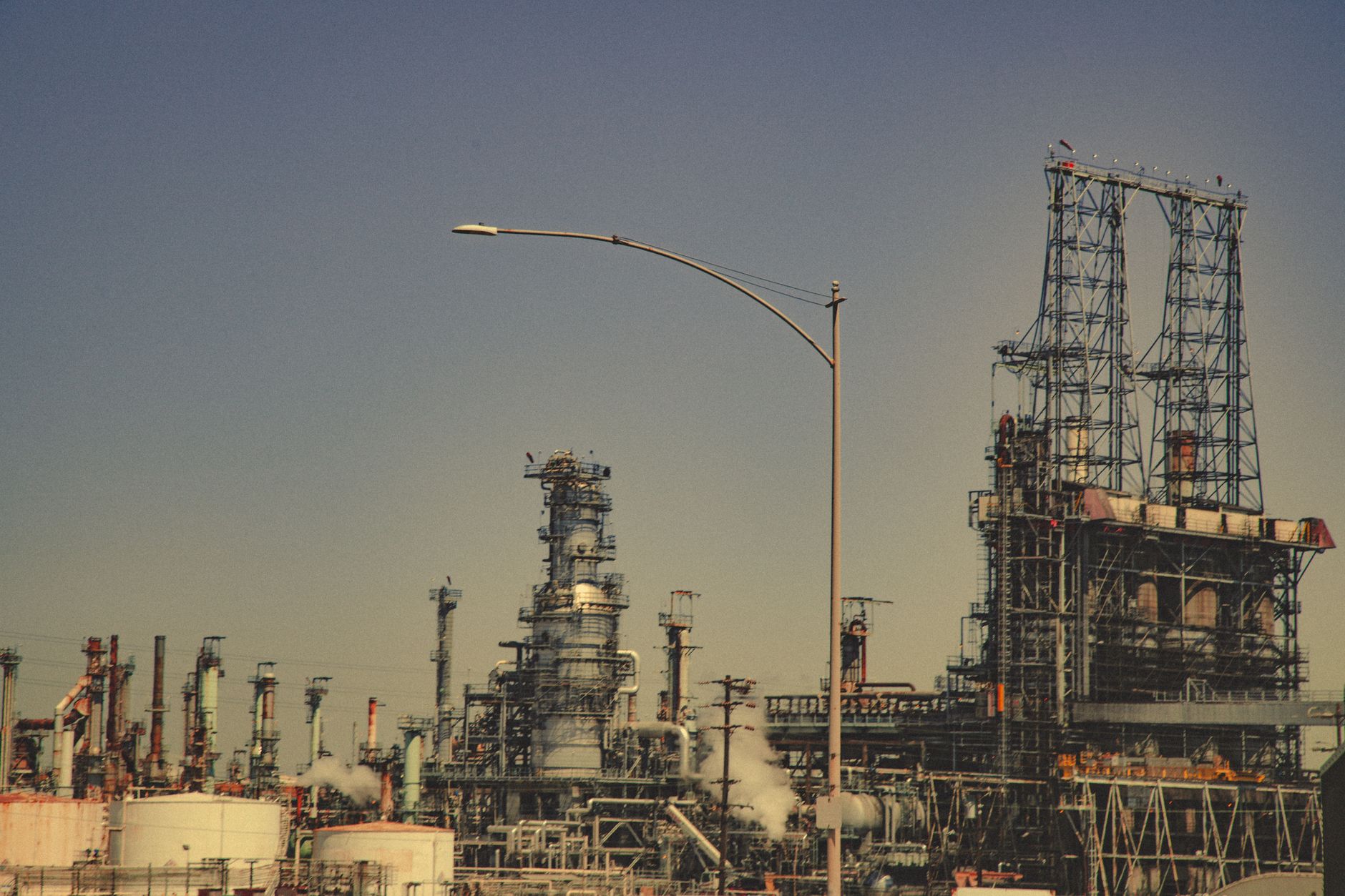
The Iran war is pushing countries to prioritize domestic energy in order to protect themselves from volatile oil and natural gas markets. This shift towards domestic energy production is a significant development, as many countries have long relied on imports to meet their energy needs. The ongoing conflict in Iran has led to a surge in oil prices, with many energy-importing countries feeling the pinch. As a result, governments around the world are being forced to re-evaluate their energy strategies and look for ways to reduce their dependence on foreign oil.
The impact of the Iran war on global energy markets cannot be overstated. Iran is a major oil producer, and the conflict has disrupted the country's ability to export oil. This has led to a shortage of oil on the global market, driving up prices and causing economic hardship for many countries. Energy-importing countries, in particular, are feeling the effects of the price increase, as they are forced to pay more for the oil they need to power their economies. This has led to a renewed focus on domestic energy production, as countries seek to reduce their reliance on foreign oil and mitigate the impact of price volatility.
The trend towards domestic energy production is not a new one, but it has gained significant momentum in recent years. Many countries have been investing in renewable energy sources, such as wind and solar power, as well as traditional fossil fuels like coal and natural gas. This shift towards domestic energy production is driven by a desire for energy security, as well as a need to reduce greenhouse gas emissions and mitigate the impacts of climate change. The Iran war has accelerated this trend, as countries seek to protect themselves from the volatility of global energy markets. By prioritizing domestic energy production, countries can reduce their reliance on foreign oil and create jobs and economic growth in the energy sector.
The implications of this shift towards domestic energy production are far-reaching. For one, it could lead to a reduction in global oil prices, as countries become less reliant on foreign oil. This could have a positive impact on the global economy, as lower oil prices would reduce the cost of production and transportation. Additionally, a focus on domestic energy production could lead to the creation of new jobs and industries, as countries invest in renewable energy and other forms of domestic energy production. However, there are also potential downsides to this trend, as the shift towards domestic energy production could lead to increased environmental degradation and health impacts, particularly if countries prioritize fossil fuels over renewable energy sources.
In historical context, the current trend towards domestic energy production is reminiscent of the 1970s, when the oil embargo led to a similar shift towards energy self-sufficiency. At that time, many countries invested heavily in domestic energy production, including nuclear power and coal, in an effort to reduce their reliance on foreign oil. The current situation is different, however, as the focus is now on renewable energy sources and reducing greenhouse gas emissions. As such, the shift towards domestic energy production is not only driven by a desire for energy security but also by a need to address the global climate crisis. The Iran war has accelerated this trend, and it will be important to watch how countries navigate the challenges and opportunities of domestic energy production in the years to come.
The impact of the Iran war on global energy markets is also likely to have significant geopolitical implications. As countries become less reliant on foreign oil, they may also become less beholden to major oil-producing countries like Saudi Arabia and Russia. This could lead to a shift in the global balance of power, as energy-importing countries gain more independence and flexibility in their foreign policy decisions. Additionally, the focus on domestic energy production could lead to increased cooperation and collaboration between countries, as they share knowledge and expertise in the development of renewable energy sources. Overall, the Iran war is forcing energy-importing countries to turn inward and prioritize domestic energy production, with significant implications for the global energy market, the environment, and international relations. As the situation continues to unfold, it will be important to monitor the developments and assess the long-term consequences of this shift towards domestic energy production.
Additional reporting via www.nytimes.com





Be First to Comment