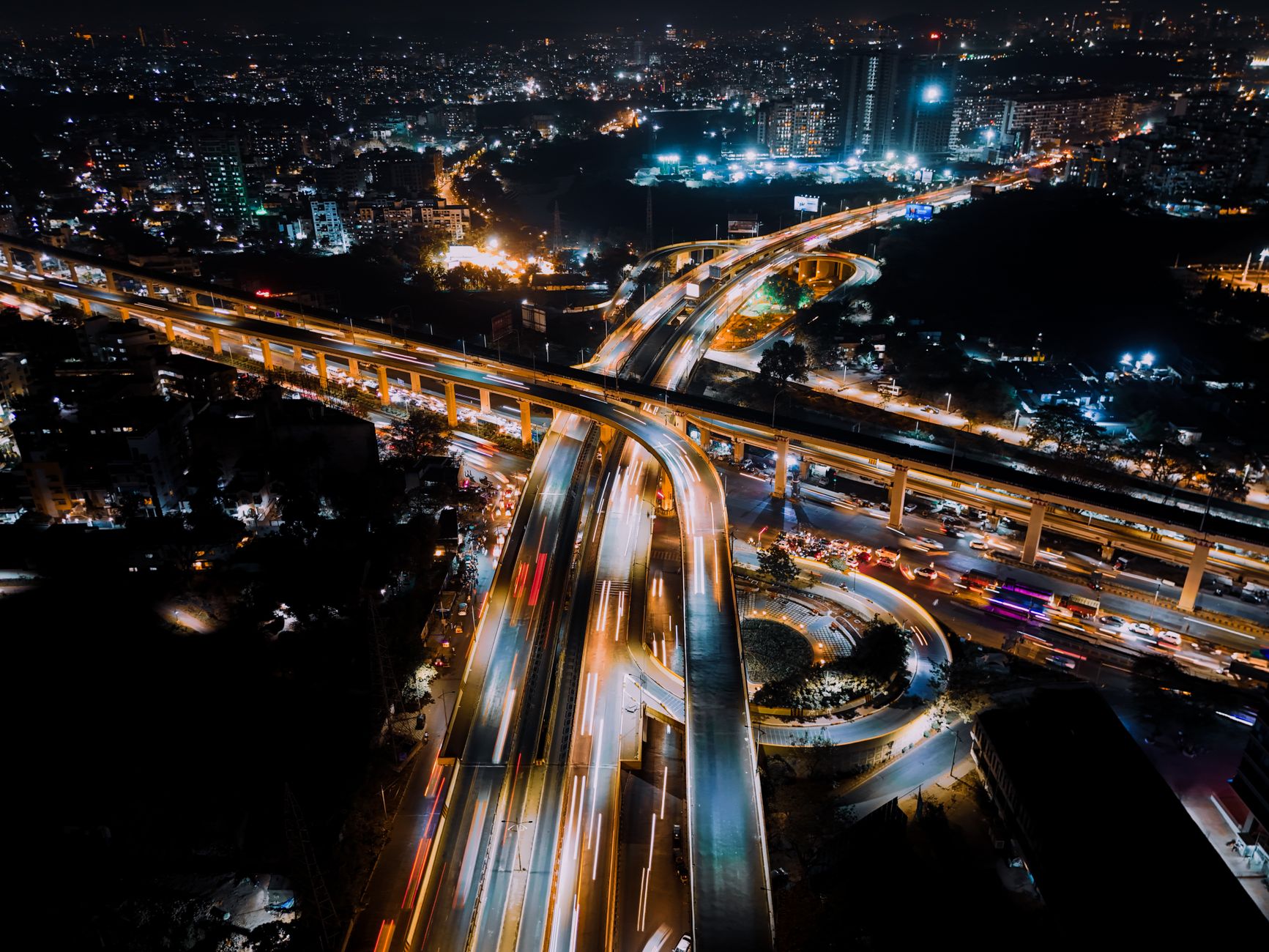
Cities have long been described as having a unique personality or character, often likened to a living, breathing entity. Now, researchers have taken this concept a step further by identifying the ‘urban pulse’ of a city – a set of vital signs that can be measured to understand the city’s metabolic activity.
Defining Urbanization
The concept of urbanization has evolved over time, and its definition can vary depending on the context. According to Zhe Zhu of the University of Connecticut, urbanization encompasses a broad range of processes, including changes in demography, economy, infrastructure, environment, governance, and culture. These processes give rise to measurable outcomes, such as population growth, urban land expansion, and innovation.
Traditionally, urbanization has been measured by its outcomes, such as the construction of new buildings or the expansion of roads. However, this approach only provides a snapshot of the city’s development, without revealing the underlying dynamics. The ‘urban pulse’ concept seeks to capture the city’s rhythmic patterns, providing a more nuanced understanding of its growth and development.
Measuring the Urban Pulse
The researchers have identified three key vital signs that make up the ‘urban pulse’ of a city. These metrics reflect the city’s dynamic nature, acknowledging that cities are not static entities, but rather living, adaptive ecosystems. By measuring these vital signs, policymakers and urban planners can gain a better understanding of the city’s needs and make more informed decisions.
- Demographic changes: Understanding the city’s population growth, density, and migration patterns can help inform decisions on housing, transportation, and public services.
- Economic activity: Measuring the city’s economic output, innovation, and entrepreneurship can help identify areas of strength and weakness, and guide investments in infrastructure and education.
- Environmental sustainability: Assessing the city’s environmental impact, including energy consumption, waste management, and green spaces, can help policymakers develop strategies for reducing the city’s carbon footprint and promoting sustainable growth.
Implications for Urban Planning
The ‘urban pulse’ concept has significant implications for urban planning and policy. By understanding the city’s rhythmic patterns, policymakers can develop more effective strategies for managing growth, promoting sustainability, and improving the quality of life for residents. For example, the ‘urban pulse’ could be used to:
- Identify areas of high demand for housing and transportation, and guide investments in infrastructure development.
- Develop targeted initiatives to support local businesses and promote innovation and entrepreneurship.
- Inform decisions on urban design, including the creation of public spaces, parks, and green areas.
A New Era for Urban Planning
The ‘urban pulse’ concept represents a new era for urban planning, one that is focused on understanding the city as a living, breathing entity. By embracing this approach, policymakers and urban planners can develop more effective strategies for managing growth, promoting sustainability, and improving the quality of life for residents. As Zhe Zhu notes, the ‘urban pulse’ could one day be used by individuals to inform their decisions on where to live, work, and invest, making it a powerful tool for shaping the future of our cities.
The potential applications of the ‘urban pulse’ concept are vast, and its implications for urban planning and policy are significant. As cities continue to grow and evolve, it is essential that we develop new tools and approaches to understand and manage their development. The ‘urban pulse’ concept represents a major step forward in this effort, and its impact is likely to be felt for years to come.
Source: arstechnica.com.






Be First to Comment