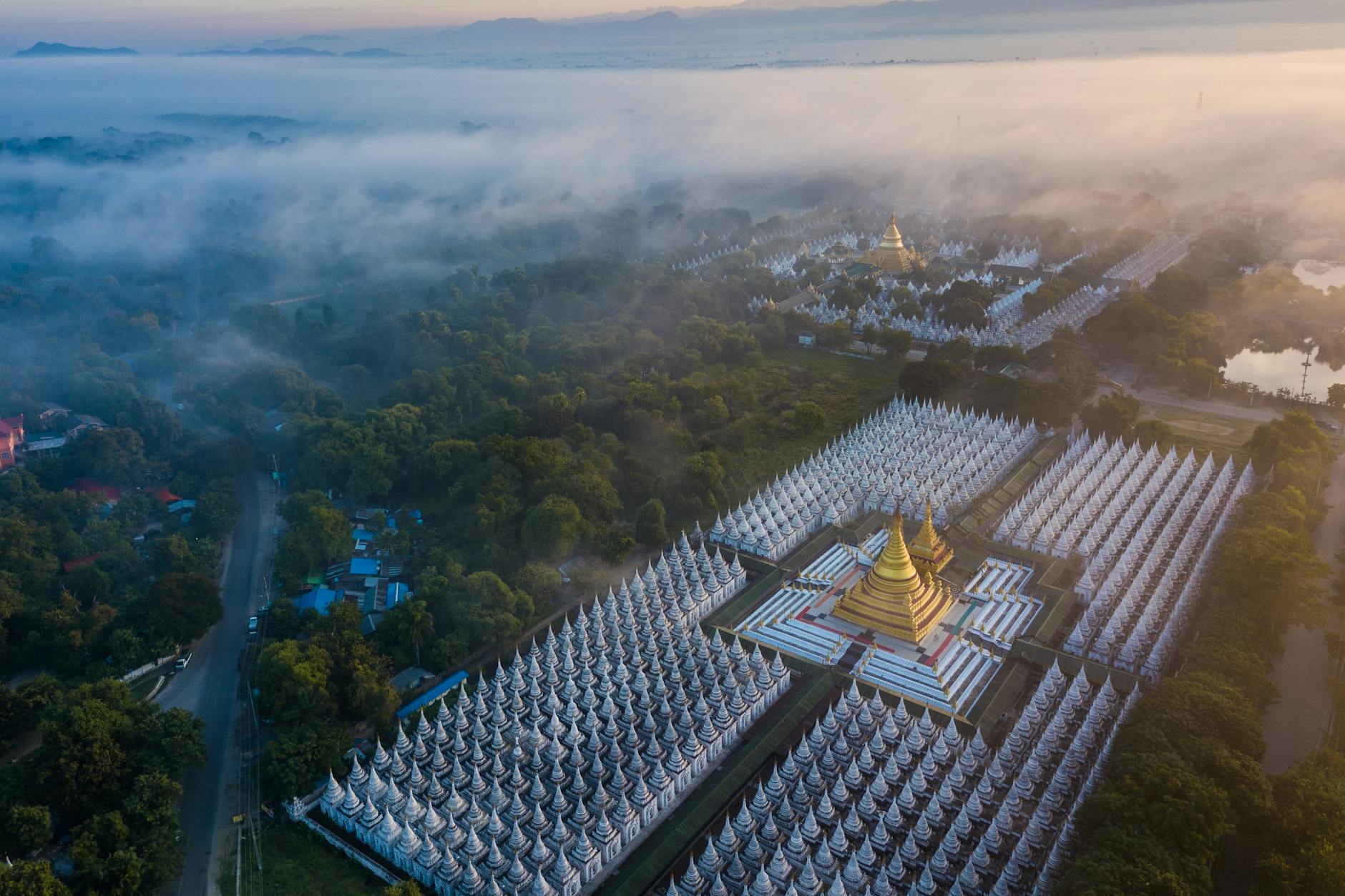
Myanmar, a country in Southeast Asia, has been embroiled in a complex and multifaceted conflict since the military seized power in a coup last year. The situation on the ground is dire, with reports of human rights abuses, violence, and displacement of civilians. Recently, a BBC journalist, Quentin Sommerville, traveled to Myanmar without official permission to shed light on the situation and meet with a group of rebel fighters.
The Rebel Fighters
These rebel fighters are part of a broader movement resisting the military’s rule. They are a mix of experienced soldiers and young, inexperienced fighters, all united by their desire to bring down the military regime. The rebels are operating in the border regions, where they have managed to establish control over some areas. They claim to be fighting for democracy and human rights, and their movement has gained significant support from the local population.
A Country in Crisis
Myanmar’s crisis began when the military, known as the Tatmadaw, staged a coup against the democratically elected government. The coup was met with widespread protests, which were violently suppressed by the military. Since then, the situation has continued to deteriorate, with reports of torture, extrajudicial killings, and forced disappearances. The international community has condemned the military’s actions, and many countries have imposed sanctions on Myanmar.
- The military has been accused of committing war crimes, including the use of airstrikes and artillery against civilian targets.
- The conflict has resulted in the displacement of hundreds of thousands of people, with many forced to flee their homes and seek shelter in neighboring countries.
- The economy has also been severely impacted, with trade and investment grinding to a halt.
International Response
The international community has been criticized for its response to the crisis in Myanmar. While many countries have condemned the military’s actions, few have taken concrete steps to address the situation. The United Nations has called for an end to the violence and the restoration of democracy, but its efforts have been hindered by a lack of cooperation from the military. The Association of Southeast Asian Nations (ASEAN) has also been involved in efforts to resolve the crisis, but its progress has been slow.
A Long and Difficult Road Ahead
The conflict in Myanmar is complex and multifaceted, and a resolution will not be easy to achieve. The military remains firmly in control, and the rebels face significant challenges in their fight against the regime. However, the rebels remain determined, and their movement continues to gain momentum. As the situation continues to unfold, it is essential to remember the human cost of the conflict and the need for a peaceful and democratic solution.
The story of the rebel fighters in Myanmar is a testament to the human spirit and the desire for freedom and democracy. Despite the risks, they continue to fight for their rights and their country’s future. As the world watches, it is essential to consider the implications of this conflict and the need for a comprehensive and sustainable solution.
Some of the key questions to watch in the coming months include: how will the international community respond to the crisis, what role will ASEAN play in resolving the conflict, and what will be the human cost of the ongoing violence?
Source: bbc.com.




Be First to Comment