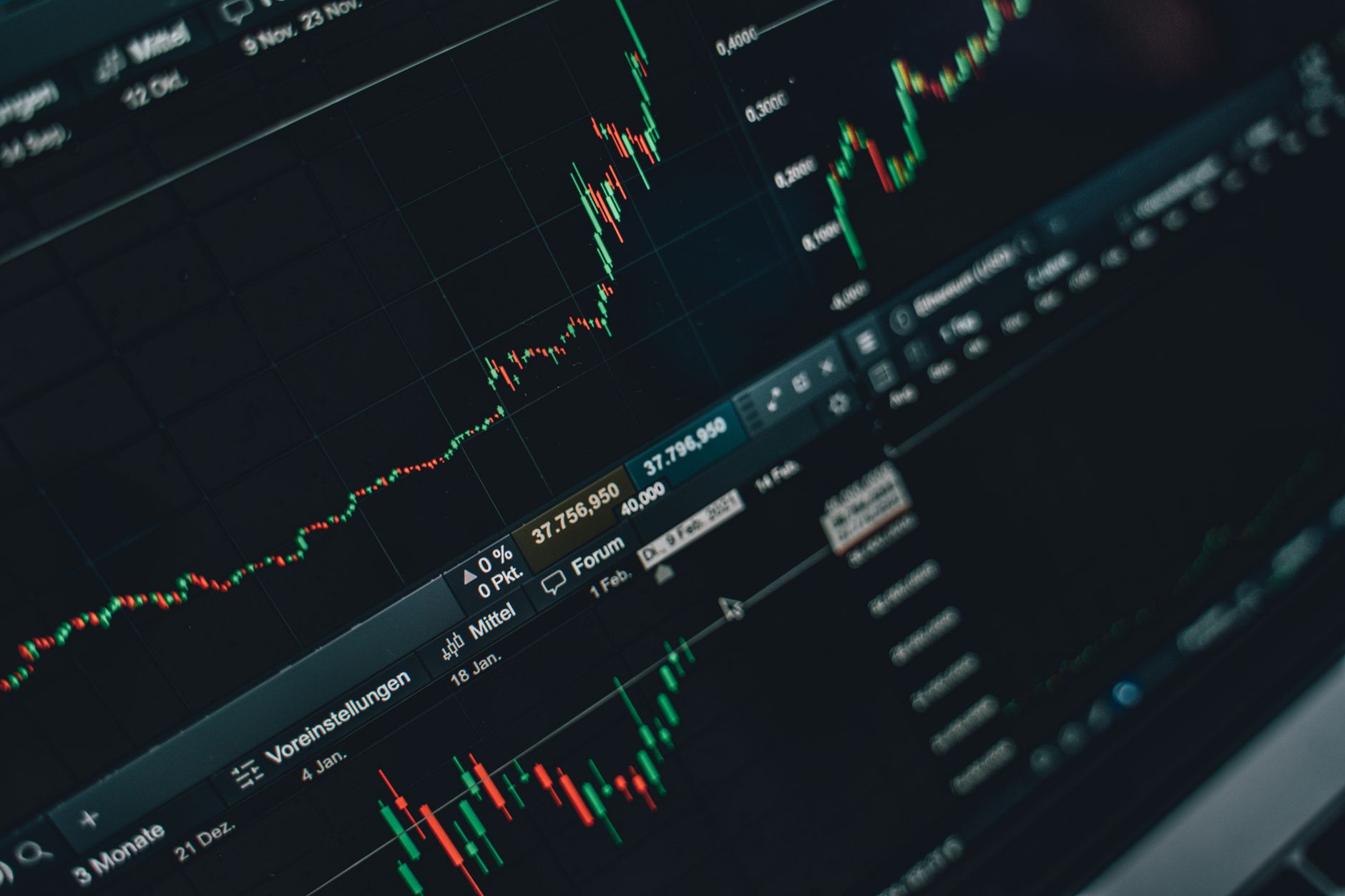
Stock market jitters remain amid tech fears and renewed Middle East attacks, as investors around the world woke up to a tumultuous day of trading on Monday. Markets in Asia were hit by a tech sell-off, with major indices such as the Nikkei and Hang Seng experiencing significant declines. The sell-off was largely driven by concerns over the future of the tech industry, which has been a major driver of growth in recent years. However, the tech sector is facing increasing scrutiny and regulation, which has led to a decline in investor confidence. The situation was further exacerbated by the volatile oil market, which was affected by the renewed attacks between Iran and Israel.
The current tensions between Iran and Israel are not a new development, but rather an escalation of a long-standing conflict. The two countries have been engaged in a proxy war for years, with Iran supporting various militant groups in the region and Israel responding with military action. The latest attacks, which saw both countries launch strikes against each other, have raised concerns about the stability of the region and the potential for a wider conflict. The Middle East is a critical region for the global economy, with many countries relying on oil imports from the area. Any disruption to oil supplies could have significant implications for the global economy, which is why investors are closely watching the situation.
The tech sell-off in Asia is also a significant concern, as the tech industry is a major driver of growth in many countries. The sector has been experiencing rapid expansion in recent years, driven by the increasing demand for technology products and services. However, the tech industry is also facing increasing scrutiny and regulation, particularly with regards to issues such as data privacy and antitrust laws. Many tech companies are facing investigations and fines, which has led to a decline in investor confidence. The situation is further complicated by the fact that many tech companies are highly valued, with some companies trading at price-to-earnings ratios that are significantly higher than the historical average. This has led to concerns that the tech sector may be due for a correction, which could have significant implications for the broader market.
The implications of the current market jitters are far-reaching and could have significant consequences for the global economy. A decline in investor confidence could lead to a reduction in investment, which could slow down economic growth. The volatile oil market could also lead to higher energy prices, which could increase inflation and reduce consumer spending. Furthermore, the current tensions in the Middle East could lead to a wider conflict, which could have significant implications for global stability and security. The situation is being closely watched by policymakers, who are trying to balance the need to respond to the current situation with the need to avoid escalating the conflict.
In terms of historical context, the current market jitters are reminiscent of the dot-com bubble, which burst in 2000. During that time, the tech sector experienced a significant decline, which led to a broader market correction. The situation is also similar to the 1970s, when the oil embargo led to a significant increase in oil prices and a decline in economic growth. However, the current situation is also unique, with many factors at play that were not present in previous periods of market volatility. The global economy is more interconnected than ever before, with many countries relying on international trade and investment. The rise of emerging markets, such as China and India, has also changed the global economic landscape, with many countries now playing a more significant role in global trade and investment.
The future of the market remains uncertain, with many factors that could influence the direction of the economy. The situation in the Middle East is likely to remain volatile, with the potential for further escalation. The tech sector is also likely to remain under scrutiny, with many companies facing investigations and fines. However, the market is also subject to many other factors, including monetary policy, fiscal policy, and geopolitical events. The Federal Reserve, for example, is likely to play a significant role in shaping the direction of the market, with its decisions on interest rates and quantitative easing having a major impact on investor confidence. Ultimately, the current market jitters are a reminder of the complexity and uncertainty of the global economy, and the need for investors to remain vigilant and adaptable in the face of changing circumstances.
Additional reporting via www.bbc.com






Be First to Comment