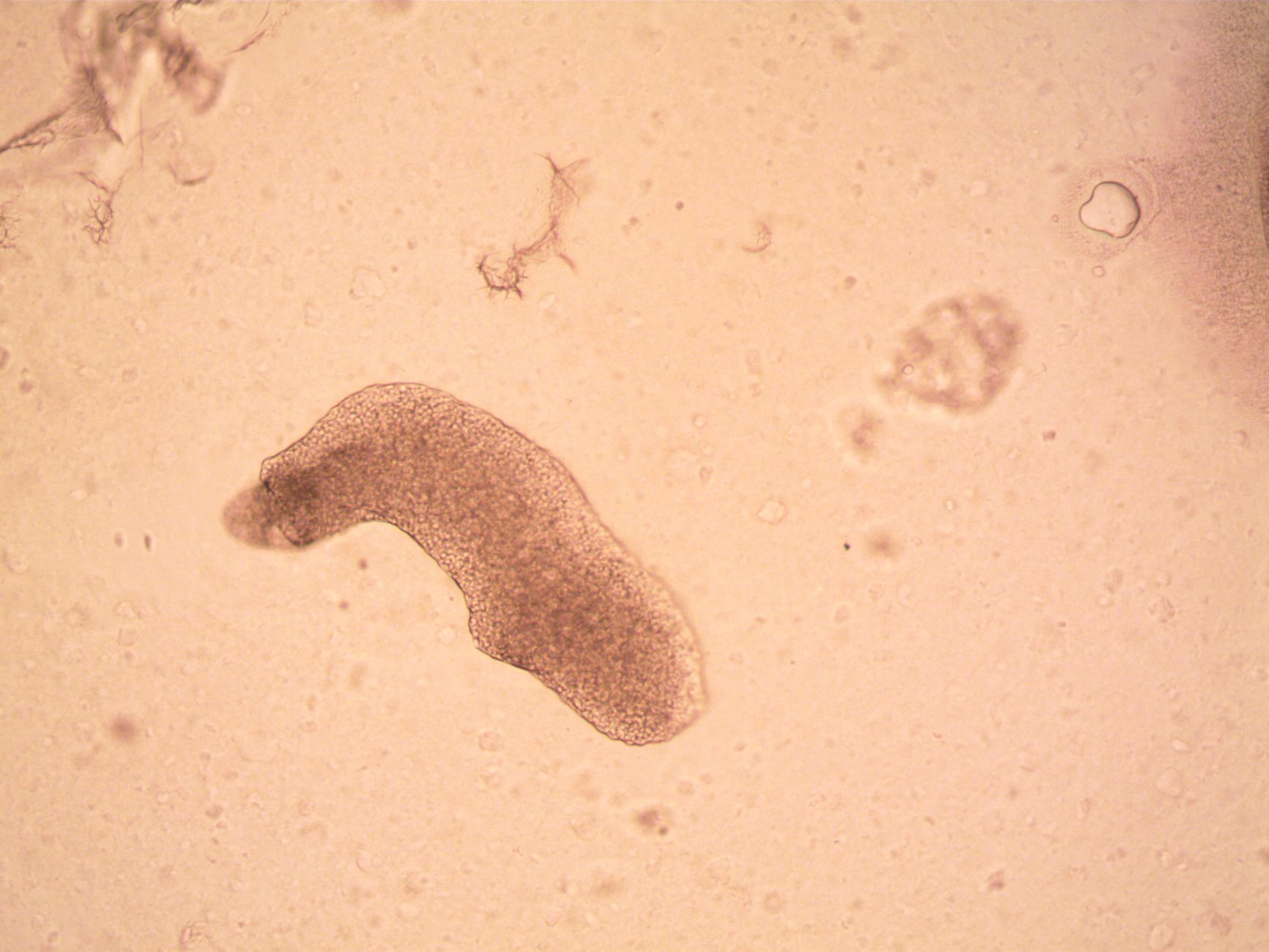
The brain eating amoeba, a rare but deadly parasite, has been responsible for hundreds of fatalities since 1960. Naegleria fowleri, the scientific name for this amoeba, is commonly found in warm freshwater lakes, rivers, and hot springs. It can quickly prove fatal if not diagnosed correctly, making it a serious public health concern.
According to reports, cases caused by the amoeba have numbered in the hundreds since 1960. This has led to increased awareness and warnings from health officials, particularly during the summer months when people are more likely to engage in water activities.
What is the Brain Eating Amoeba?
The brain eating amoeba is a single-celled organism that can infect humans through the nasal passages. It can be found in contaminated water, and people can become infected by swimming, diving, or engaging in other water activities. The amoeba can then travel up the nasal passages and into the brain, where it can cause a rare but often fatal infection called primary amebic meningoencephalitis (PAM).
Symptoms of PAM can include headache, fever, nausea, and vomiting, and can progress to more severe symptoms such as seizures, coma, and death. If not diagnosed and treated promptly, the infection can be fatal, making it essential to seek medical attention immediately if symptoms occur.
Causes and Risk Factors
The brain eating amoeba is commonly found in warm freshwater lakes, rivers, and hot springs. People who engage in water activities, such as swimming, diving, or skiing, are at higher risk of infection. Other risk factors include using contaminated water for nasal irrigation or rinsing, and having a weakened immune system.
There are several ways to reduce the risk of infection, including avoiding swimming in warm freshwater lakes and rivers, using nose clips when swimming, and avoiding stirring up sediment while swimming. It is also essential to use sterile or distilled water for nasal irrigation and to avoid using tap water for this purpose.
Diagnosis and Treatment
Diagnosing the brain eating amoeba can be challenging, as the symptoms can be similar to those of other infections. A diagnosis is typically made through a combination of physical examination, laboratory tests, and imaging studies. Treatment for PAM usually involves a combination of medications, including antifungal and antibacterial medications, and supportive care, such as hospitalization and intensive care.
- Avoid swimming in warm freshwater lakes and rivers
- Use nose clips when swimming
- Avoid stirring up sediment while swimming
- Use sterile or distilled water for nasal irrigation
- Avoid using tap water for nasal irrigation
While the brain eating amoeba is a rare infection, it can be fatal if not diagnosed and treated promptly. It is essential to be aware of the risks and take steps to reduce the risk of infection, particularly during the summer months when people are more likely to engage in water activities.
Conclusion and Future Directions
In conclusion, the brain eating amoeba is a rare but deadly parasite that can be found in warm freshwater lakes, rivers, and hot springs. While the risk of infection is low, it is essential to be aware of the risks and take steps to reduce the risk of infection. Further research is needed to develop more effective treatments and to raise awareness about the risks of this infection. By working together, we can reduce the risk of infection and prevent fatalities from this rare but deadly parasite.
Source: bbc.co.uk.






Be First to Comment