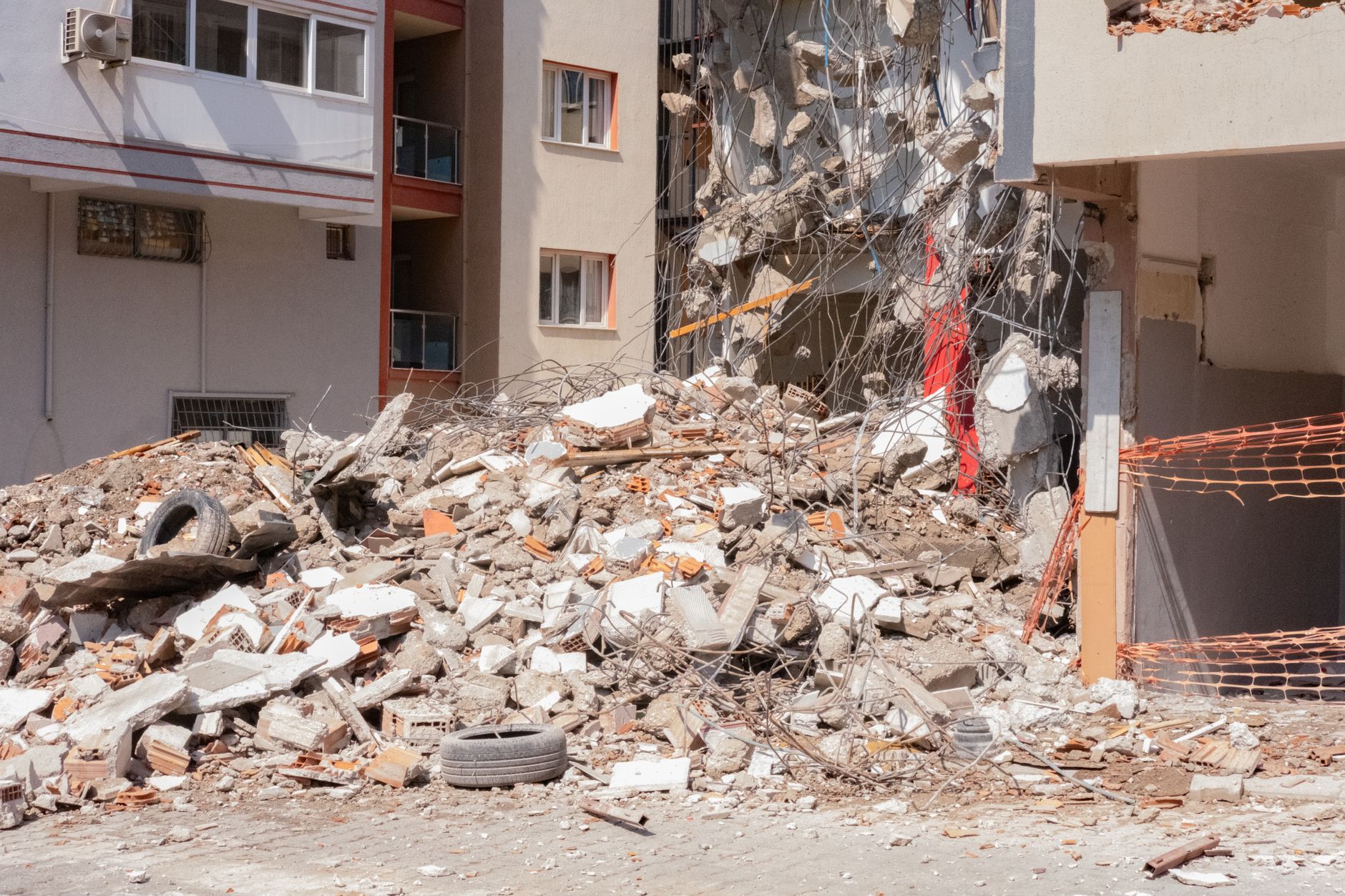
The japan earthquake that struck last month has left many in shock, particularly after security camera footage showed doctors shielding a patient on the operating table as the magnitude 6.8 quake shook Kumamoto General Hospital. The japan earthquake was a stark reminder of the importance of hospital preparedness in the face of natural disasters.
Hospitals are often considered safe havens, but the japan earthquake has raised questions about the ability of medical facilities to withstand powerful quakes. The incident has sparked a wider conversation about the need for hospitals to have robust emergency response plans in place.
Understanding the Japan Earthquake
The japan earthquake was a significant event, with a magnitude of 6.8 on the Richter scale. Earthquakes of this magnitude can cause widespread damage and disruption, particularly in densely populated areas like hospitals. The japan earthquake has highlighted the need for hospitals to be equipped with the latest technology and infrastructure to mitigate the impact of such disasters.
In the aftermath of the japan earthquake, there have been calls for greater investment in hospital infrastructure and emergency response planning. This includes the development of more robust buildings and the implementation of effective communication systems to ensure that medical staff can respond quickly and effectively in the event of an emergency.
Impact on Hospital Operations
The japan earthquake has had a significant impact on hospital operations, with many medical facilities forced to evacuate patients and suspend services. The incident has also raised concerns about the ability of hospitals to maintain patient care during emergencies. In response, hospitals are reviewing their emergency response plans and implementing new measures to ensure that they can continue to provide medical care during disasters.
Some of the key measures being implemented include the development of backup power systems, the installation of earthquake-resistant equipment, and the creation of emergency response teams. These measures are designed to ensure that hospitals can continue to operate effectively, even in the face of significant disruptions.
- Backup power systems to ensure continuous operation
- Earthquake-resistant equipment to minimize damage
- Emergency response teams to coordinate relief efforts
Lessons Learned from the Japan Earthquake
The japan earthquake has provided valuable lessons for hospitals and medical facilities around the world. One of the key takeaways is the importance of having robust emergency response plans in place. This includes the development of effective communication systems, the creation of emergency response teams, and the implementation of measures to mitigate the impact of disasters.
Another important lesson is the need for hospitals to invest in the latest technology and infrastructure. This includes the development of earthquake-resistant buildings, the installation of backup power systems, and the implementation of advanced communication systems. By investing in these measures, hospitals can reduce the risk of disruption and ensure that they can continue to provide medical care during emergencies.
Conclusion and Future Directions
In conclusion, the japan earthquake has highlighted the importance of hospital preparedness in the face of natural disasters. The incident has sparked a wider conversation about the need for hospitals to have robust emergency response plans in place and to invest in the latest technology and infrastructure. As the medical community looks to the future, it is clear that there will be a greater emphasis on disaster preparedness and response planning.
Source: bbc.co.uk.






Be First to Comment