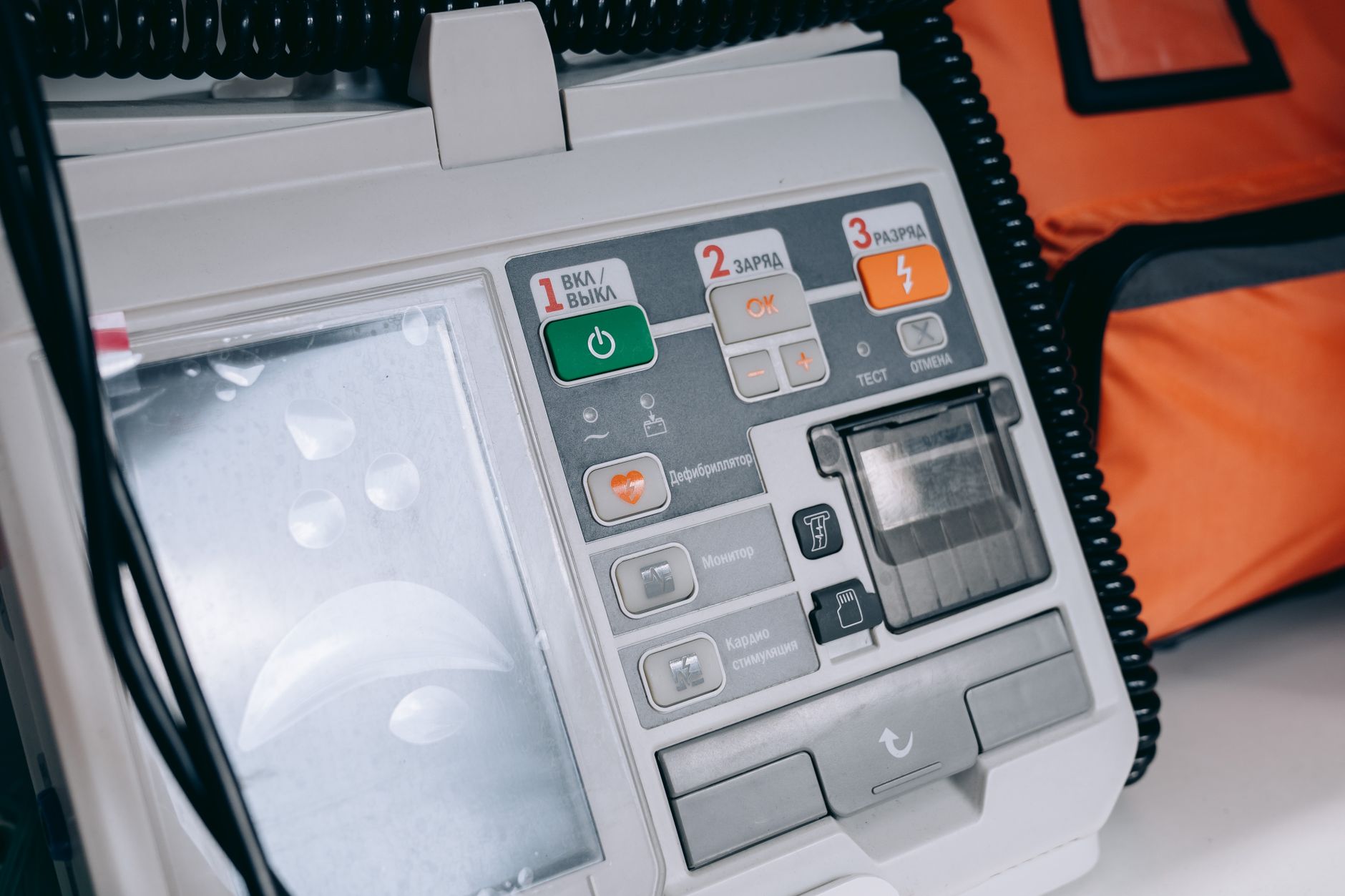
On Sunday, the world witnessed a shocking moment in the football world when Denmark’s Christian Eriksen collapsed during a match. The incident has raised awareness about the importance of medical devices in saving lives, particularly the Implantable Cardioverter-Defibrillator (ICD) that Eriksen has been fitted with.
What is an ICD?
An ICD is a small device implanted in the chest to monitor and regulate the heartbeat. It is designed to detect and correct life-threatening irregular heart rhythms, known as arrhythmias. The device can deliver electric shocks, cardioversion, or pacing to restore a normal heartbeat.
In Eriksen’s case, his ICD responded as it should, according to Denmark’s team doctor. This highlights the significance of such devices in preventing sudden cardiac deaths. ICDs are typically recommended for individuals with a high risk of life-threatening arrhythmias, including those with a history of heart attacks, cardiomyopathy, or channelopathies.
How Does an ICD Work?
An ICD consists of a pulse generator, which is connected to one or more leads that are placed in the heart. The pulse generator monitors the heartbeat and can detect any irregularities. If it identifies a life-threatening arrhythmia, the device can deliver an electric shock to restore a normal heartbeat.
- The ICD can detect and treat three types of arrhythmias: ventricular tachycardia, ventricular fibrillation, and atrial fibrillation.
- The device can also provide pacing to support the heart in cases where the natural heartbeat is too slow.
- ICDs can store data on the heart’s activity, which can be used to diagnose and treat heart conditions.
Importance of ICDs in Sports
The incident involving Eriksen has highlighted the importance of ICDs in sports, particularly in high-intensity activities like football. Sudden cardiac deaths can occur in athletes due to underlying heart conditions, and ICDs can play a crucial role in preventing such incidents.
While ICDs are not a substitute for proper medical screening and diagnosis, they can provide an added layer of protection for athletes with pre-existing heart conditions. It is essential for athletes to undergo regular medical check-ups and follow their doctor’s advice to minimize the risk of sudden cardiac deaths.
Conclusion and Future Implications
The incident involving Eriksen has brought attention to the importance of ICDs in saving lives. As medical technology continues to advance, we can expect to see more sophisticated devices that can detect and treat heart conditions more effectively.
However, there are still many questions surrounding the use of ICDs in sports, including the criteria for implanting such devices and the protocols for monitoring athletes with pre-existing heart conditions. As the medical community continues to learn from incidents like Eriksen’s, we can expect to see more research and guidelines on the use of ICDs in sports.
Additional reporting via bbc.com.






Be First to Comment