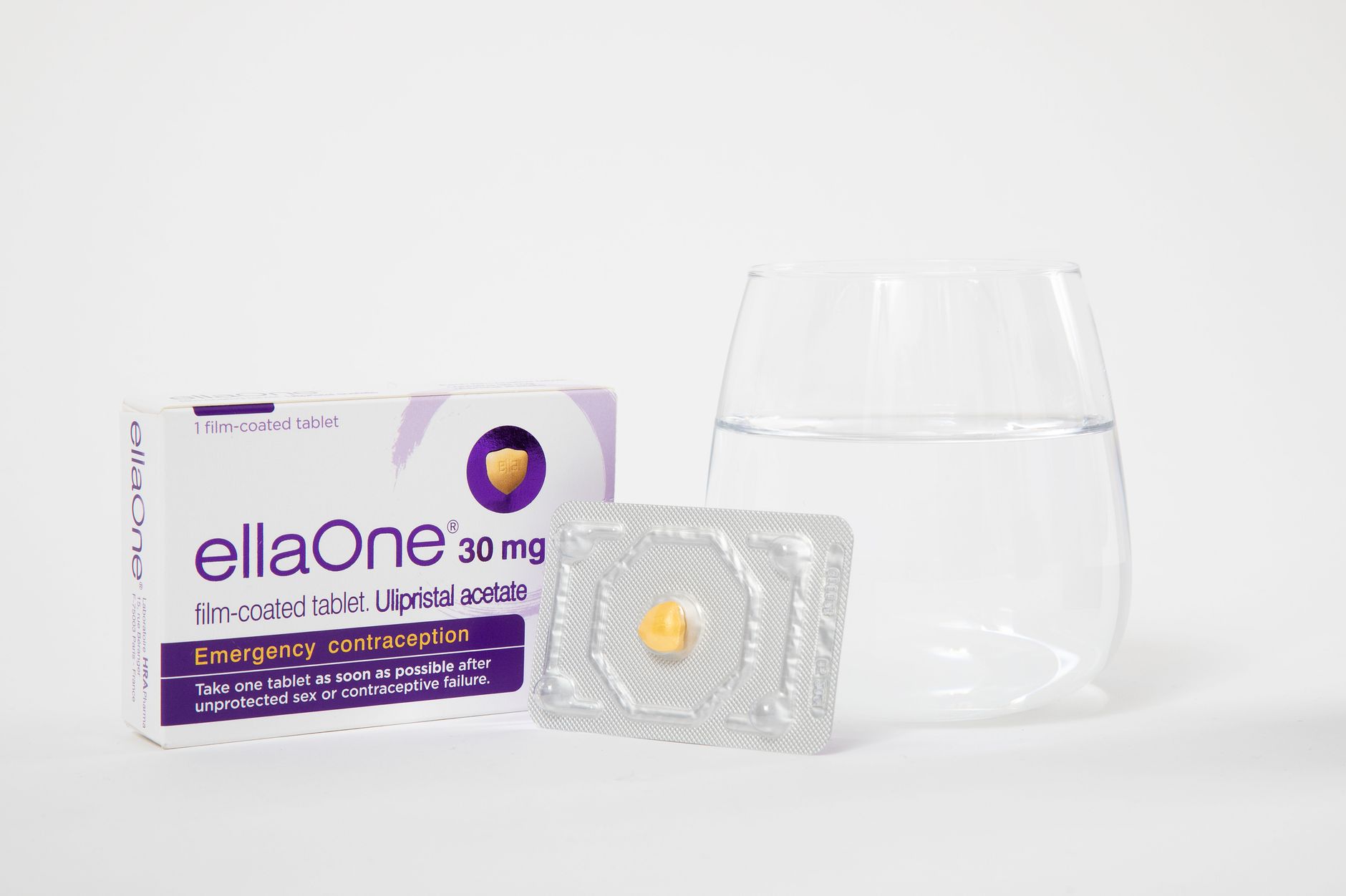
The morning after pill has been made available free-of-charge at high street pharmacies under a new scheme in England since October. This move is expected to improve access to emergency contraception for hundreds of thousands of women. The morning after pill is a vital component of reproductive health, and its availability can significantly impact women’s lives.
Previously, women had to pay for the morning-after pill or visit a doctor to obtain a prescription. The new scheme aims to reduce barriers to accessing emergency contraception, especially for those who may not have the means to pay or have limited access to healthcare services.
Morning After Pill Accessibility
The morning after pill is an essential part of reproductive healthcare, and its accessibility can significantly impact women’s lives. By making it available free of charge, the scheme aims to reduce unintended pregnancies and promote women’s health. The scheme is particularly important for young women, those from low-income backgrounds, and those who may face barriers in accessing healthcare services.
The morning-after pill is a safe and effective way to prevent pregnancy after unprotected sex. It is most effective when taken as soon as possible after intercourse, and its availability can significantly reduce the risk of unintended pregnancy.
Benefits of the Scheme
The scheme has several benefits, including improved access to emergency contraception, reduced barriers to healthcare, and promotion of women’s health. The scheme also aims to reduce the stigma associated with accessing emergency contraception and promote a culture of openness and awareness around reproductive health.
- Improved access to emergency contraception
- Reduced barriers to healthcare
- Promotion of women’s health
- Reduced stigma around reproductive health
The scheme has been welcomed by healthcare professionals and women’s rights organizations, who see it as a vital step towards promoting women’s health and wellbeing. However, some have raised concerns about the potential impact on healthcare services and the need for further investment in reproductive health.
Implications and Questions to Watch
The implications of the scheme are significant, and there are several questions to watch in the coming months. These include the impact on unintended pregnancy rates, the effectiveness of the scheme in promoting women’s health, and the potential challenges in implementing and sustaining the scheme.
As the scheme continues to roll out, it is essential to monitor its progress and address any challenges that arise. This includes ensuring that women are aware of the scheme and can access the morning-after pill easily, as well as providing support and resources for healthcare professionals.
Conclusion
The morning after pill scheme is a vital step towards promoting women’s health and wellbeing. By making emergency contraception available free of charge, the scheme aims to reduce unintended pregnancies and promote a culture of openness and awareness around reproductive health. As the scheme continues to evolve, it is essential to monitor its progress and address any challenges that arise to ensure that women have access to the healthcare they need.
Source: bbc.co.uk.






Be First to Comment