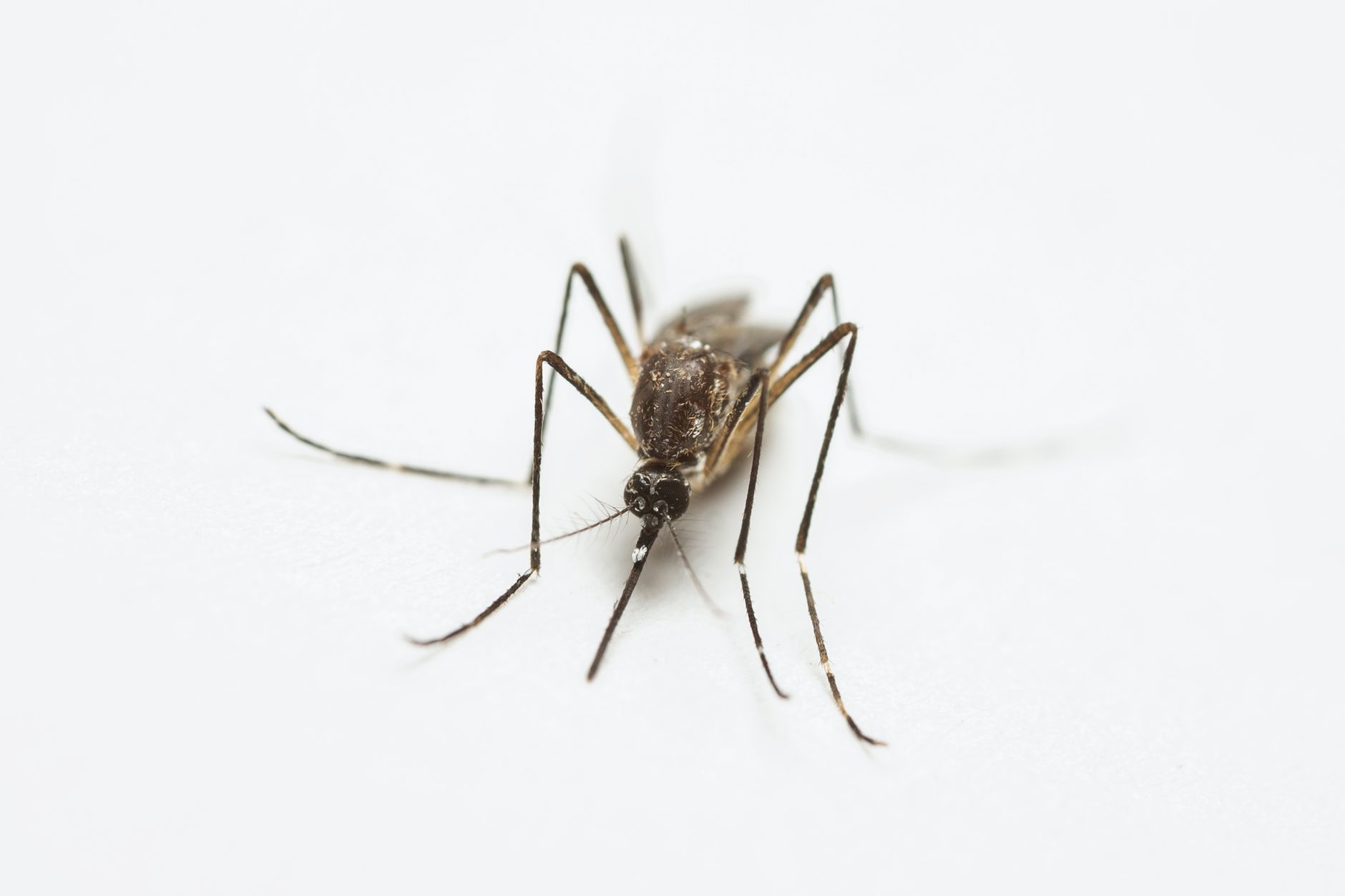
Mosquito control is a critical issue, as mosquitoes are responsible for spreading diseases that kill around 700,000 people every year. Mosquitoes are often viewed as a nuisance, but their impact on global health is significant. Scientists are working to develop new methods to tackle the problem of mosquito-borne diseases, which include malaria, dengue fever, and Zika virus.
One of the challenges in controlling mosquito populations is their ability to adapt to different environments. Mosquitoes can thrive in a wide range of conditions, from tropical to temperate climates, and can even survive in urban areas. This makes it difficult to develop a single solution to the problem of mosquito control.
Mosquito Control Methods
There are several methods that have been used to control mosquito populations, including the use of insecticides, bed nets, and mosquito traps. However, these methods have limitations and can have unintended consequences, such as the development of insecticide-resistant mosquitoes. Scientists are now exploring new, more targeted approaches to mosquito control, such as genetic modification and biological control.
Genetic modification involves altering the genes of mosquitoes to make them less capable of spreading disease. This can be done by introducing genes that prevent the mosquito from being able to transmit the disease, or by making the mosquito more susceptible to insecticides. Biological control involves using natural predators or parasites of mosquitoes to control their populations.
Benefits of Mosquito Control
The benefits of effective mosquito control are numerous. By reducing the number of mosquitoes that are able to spread disease, we can reduce the number of people who become infected. This can have a significant impact on public health, particularly in areas where mosquito-borne diseases are common. Mosquito control can also have economic benefits, as it can reduce the costs associated with treating and preventing mosquito-borne diseases.
- Reduced risk of disease transmission
- Improved public health
- Economic benefits
- Environmental benefits
Despite the benefits of mosquito control, there are also challenges and limitations to consider. One of the main challenges is the development of insecticide-resistant mosquitoes, which can make it difficult to control mosquito populations using traditional methods. Additionally, mosquito control methods can have unintended consequences, such as the impact on non-target species.
Future of Mosquito Control
The future of mosquito control is likely to involve a combination of traditional and new methods. Scientists are continuing to explore new approaches to mosquito control, such as genetic modification and biological control. These methods have the potential to be more targeted and effective than traditional methods, and could play an important role in reducing the number of mosquito-borne diseases.
Conclusion
In conclusion, mosquito control is a critical issue that requires a comprehensive approach. By developing new methods and combining them with traditional approaches, we can reduce the number of mosquito-borne diseases and improve public health. The development of new mosquito control methods is an ongoing process, and it is likely that we will see significant advances in the coming years.
Source: bbc.co.uk.






Be First to Comment