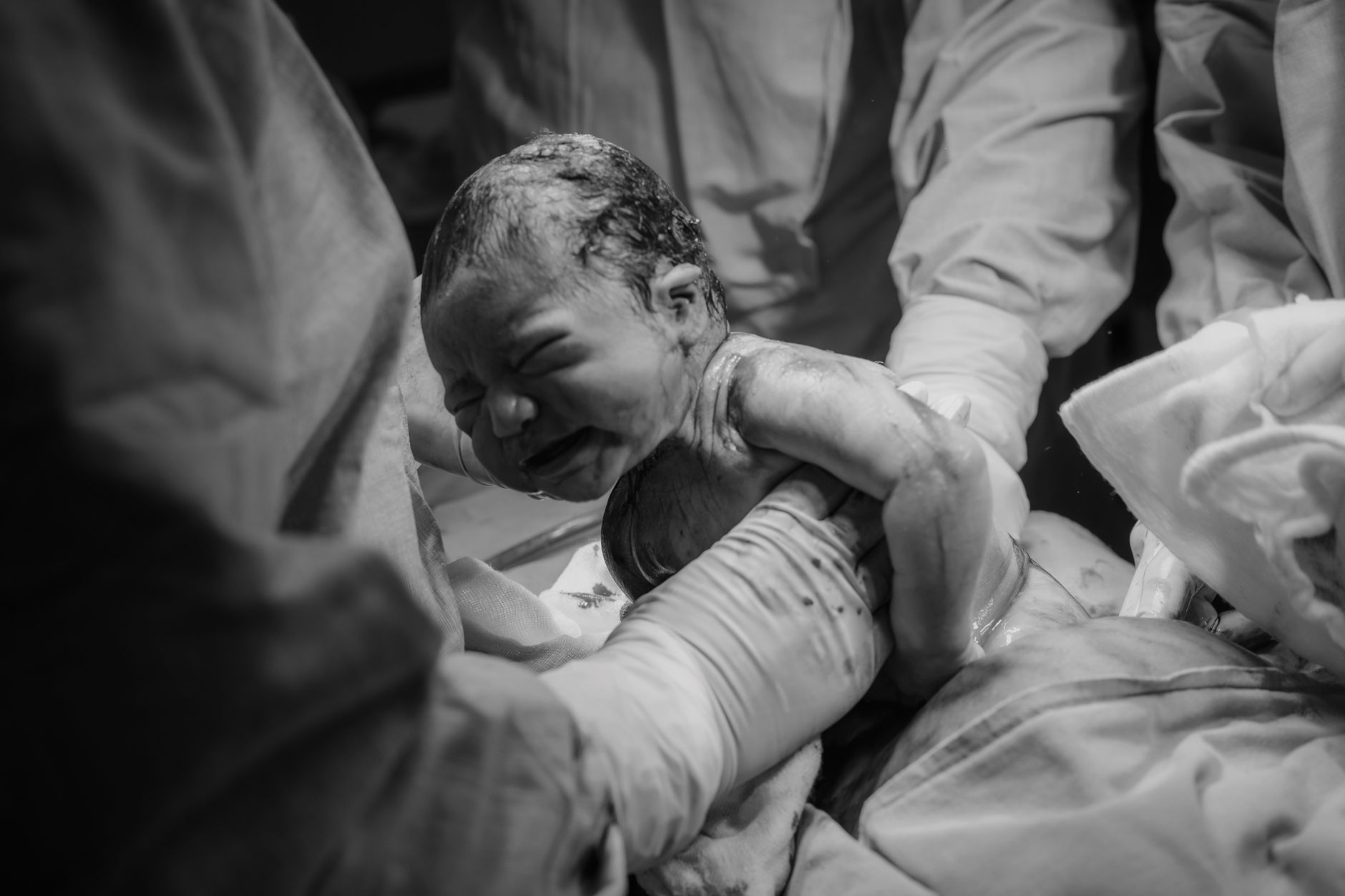
The first British baby to undergo pioneering womb surgery has given new hope to families dealing with complex gastroschisis. Womb surgery, in this case, was used to correct the condition where a baby’s intestines are outside its body. This groundbreaking procedure is part of a clinical trial that aims to improve the lives of babies born with this condition.
Gastroschisis is a rare condition that affects approximately 1 in every 2,500 births in the UK. It occurs when a hole in the abdominal wall allows the intestines to protrude outside the body. The condition can be life-threatening if not treated promptly and effectively.
What is Womb Surgery?
Womb surgery, also known as fetal surgery, is a highly specialized field of medicine that involves performing surgical procedures on unborn babies. This type of surgery is typically used to treat life-threatening conditions that cannot be managed after birth. The procedure is complex and requires a high level of skill and expertise.
In the case of the first UK baby to undergo womb surgery, the procedure was used to correct gastroschisis. The surgery involved closing the hole in the abdominal wall and returning the intestines to their normal position inside the body.
Benefits of Womb Surgery
Womb surgery offers several benefits for babies born with complex conditions like gastroschisis. One of the main advantages is that it allows for early intervention, which can significantly improve the chances of a successful outcome. Additionally, womb surgery can reduce the need for multiple surgeries after birth, which can be traumatic for both the baby and the family.
- Reduced risk of complications
- Improved chances of a successful outcome
- Reduced need for multiple surgeries after birth
- Less trauma for the baby and the family
While womb surgery is a highly promising field of medicine, it is not without its risks and challenges. The procedure is complex and requires a high level of skill and expertise. Additionally, there are still many unknowns about the long-term effects of womb surgery, which is why ongoing research and clinical trials are essential.
Implications and Future Directions
The success of the first UK baby to undergo womb surgery has significant implications for the future of fetal medicine. It highlights the potential for womb surgery to improve the lives of babies born with complex conditions and offers new hope for families dealing with these conditions. As research and clinical trials continue to advance, we can expect to see even more innovative treatments and procedures that will improve the chances of a successful outcome for these babies.
Conclusion
In conclusion, womb surgery has given new hope to families dealing with complex gastroschisis. The success of the first UK baby to undergo this pioneering procedure is a significant milestone in the field of fetal medicine. As we continue to advance our understanding of womb surgery and its potential benefits, we can expect to see even more innovative treatments and procedures that will improve the lives of babies born with complex conditions.
Source: bbc.co.uk.





Be First to Comment