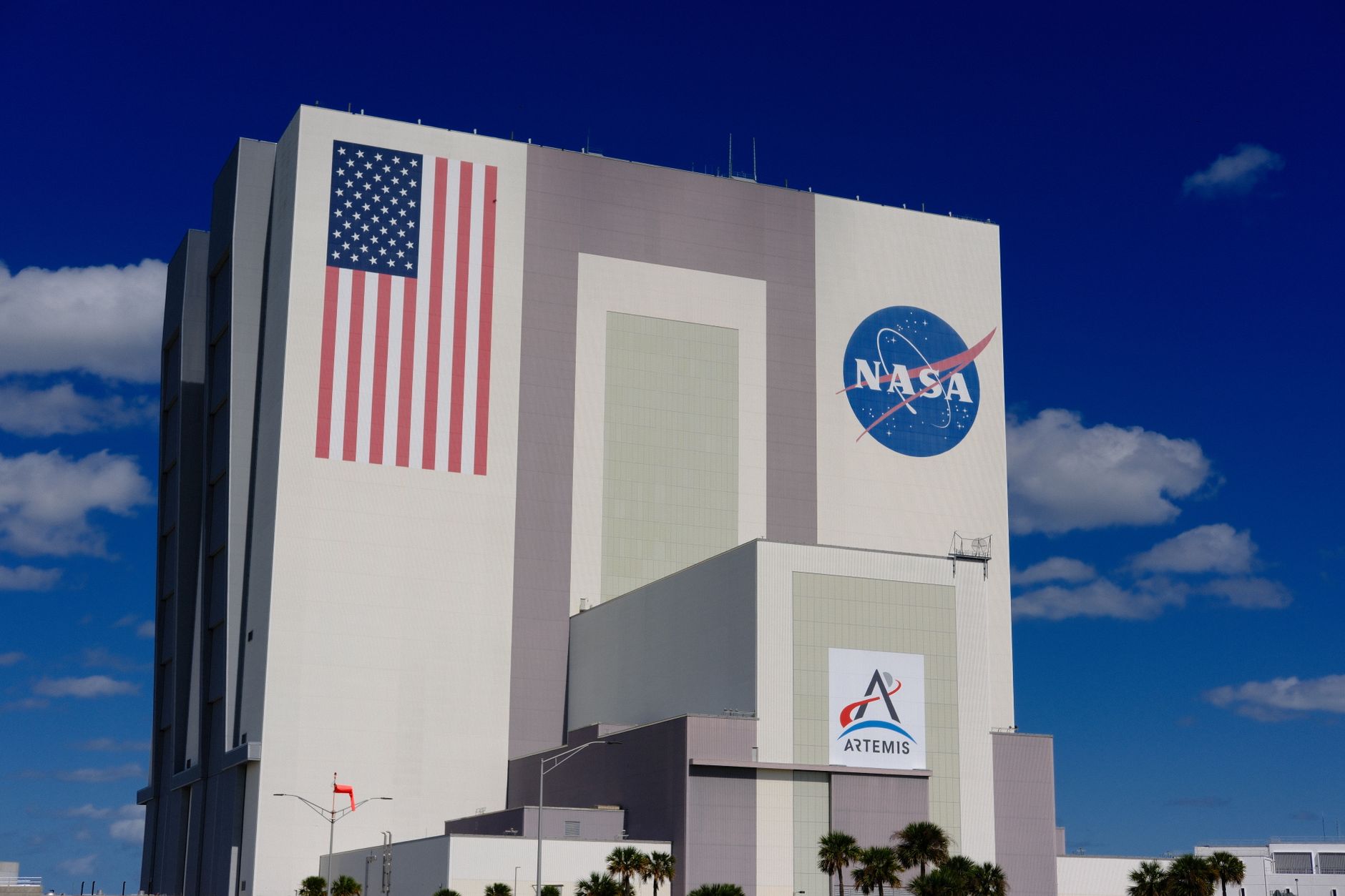
NASA’s Artemis II mission has broken the agency’s streaming record, with over 149.4 million views of the launch, lunar flyby, and splashdown on NASA-owned platforms. The mission, which launched on April 1, 2026, has generated unprecedented public interest, with a combined peak of 3,662,554 viewers tuning in to watch the launch and lunar flyby.
The Artemis II crew, consisting of NASA astronauts Christina Koch, Reid Wiseman, and Victor Glover, and Canadian Space Agency astronaut Jeremy Hansen, has been on a historic journey around the Moon, testing the systems and hardware needed for deep space exploration.
Artemis II Mission Overview
The Artemis II mission is a critical step towards NASA’s goal of returning humans to the Moon by 2025 and establishing a sustainable presence on the lunar surface. The mission has been designed to test the Orion spacecraft and the Space Launch System (SLS) rocket, which will be used for future missions to the Moon and beyond.
The mission has also provided a unique opportunity for scientists to study the Moon’s surface and composition, as well as the effects of space travel on the human body. The crew has been conducting a range of experiments, including testing the spacecraft’s life support systems and manually piloting the Orion spacecraft.
Streaming Records Broken
The Artemis II mission has broken multiple streaming records, with over 149.4 million views of the launch, lunar flyby, and splashdown on NASA-owned platforms. The mission has also generated a significant amount of engagement on social media, with over 35 million engagements on splashdown day content alone.
The mission’s success has been attributed to the agency’s efforts to engage with the public and provide real-time updates on the mission’s progress. NASA has been using a range of platforms, including YouTube, Twitter, and Facebook, to share updates, images, and videos from the mission.
Artemis II Crew
The Artemis II crew consists of four experienced astronauts, each with a unique set of skills and expertise. Christina Koch, a NASA astronaut, has been on several space missions, including a record-breaking 328-day stay on the International Space Station.
Reid Wiseman, another NASA astronaut, has also been on several space missions, including a 165-day stay on the International Space Station. Victor Glover, a NASA astronaut, has been on several space missions, including a 167-day stay on the International Space Station.
Jeremy Hansen, a Canadian Space Agency astronaut, has been training for the mission for several years and has a strong background in engineering and physics.
Implications and Future Missions
The success of the Artemis II mission has significant implications for future space exploration. The mission has demonstrated the capability of the Orion spacecraft and the SLS rocket, which will be used for future missions to the Moon and beyond.
NASA is planning to send the first woman and the next man to the Moon by 2025, with the goal of establishing a sustainable presence on the lunar surface. The agency is also planning to send astronauts to Mars in the 2030s, with the goal of establishing a human settlement on the Red Planet.
- Artemis II mission objectives: test the Orion spacecraft and the SLS rocket, conduct a lunar flyby, and return the crew safely to Earth
- Artemis II crew: Christina Koch, Reid Wiseman, Victor Glover, and Jeremy Hansen
- Artemis II mission duration: approximately 10 days
- Artemis II mission distance: over 1.3 million miles
Conclusion
The Artemis II mission has been a historic success, breaking multiple streaming records and demonstrating the capability of the Orion spacecraft and the SLS rocket. The mission has significant implications for future space exploration, with NASA planning to send astronauts to the Moon and Mars in the coming years.
Source: nasa.gov.






Be First to Comment