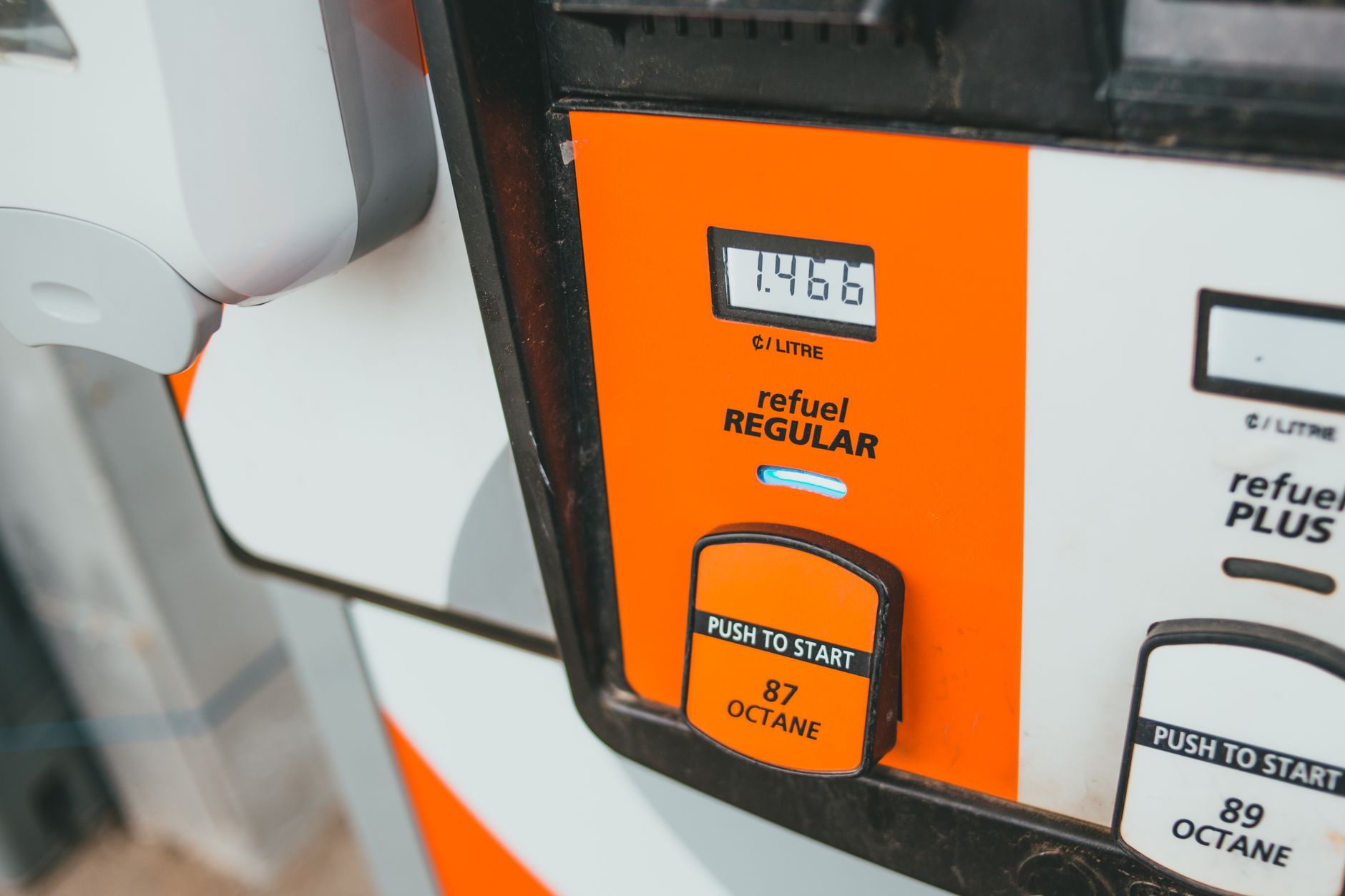
Petrol prices have been a major concern for consumers and businesses alike, especially with the recent conflict in the Middle East. When the conflict began, fuel costs jumped as the war disrupted the production and transportation of energy across the region. Petrol prices are now back to pre-war levels, but what does this mean for the average consumer?
The price of petrol is influenced by a variety of factors, including the cost of crude oil, refining costs, and taxes. As the global economy continues to evolve, it’s essential to understand the key drivers of petrol prices and how they impact the market.
Petrol Prices and the Global Economy
The global economy plays a significant role in determining petrol prices. As the demand for energy increases, so does the price of petrol. Conversely, when the economy slows down, the demand for energy decreases, and petrol prices tend to fall. The current state of the global economy, including the ongoing conflict in the Middle East, has a direct impact on petrol prices.
In addition to the global economy, other factors such as weather conditions, natural disasters, and geopolitical events can also influence petrol prices. For example, a hurricane in the Gulf of Mexico can disrupt oil production and refining, leading to higher petrol prices.
Understanding the Factors that Influence Petrol Prices
There are several key factors that influence petrol prices, including:
- Crude oil prices: The cost of crude oil is the largest component of petrol prices.
- Refining costs: The cost of refining crude oil into petrol also contributes to the final price.
- Taxes: Taxes, including excise taxes and sales taxes, are added to the cost of petrol.
- Distribution and marketing costs: The cost of transporting and marketing petrol also adds to the final price.
By understanding these factors, consumers can better navigate the complex world of petrol prices and make informed decisions about their energy usage.
The Impact of Petrol Prices on Consumers
Petrol prices have a significant impact on consumers, from the cost of filling up their cars to the price of goods and services. As petrol prices increase, the cost of living also tends to rise, affecting households and businesses alike.
In addition to the direct impact on consumers, petrol prices also have a broader impact on the economy. Higher petrol prices can lead to higher production costs, which can result in higher prices for goods and services. This can have a ripple effect throughout the economy, leading to higher inflation and lower economic growth.
Looking to the Future: What’s Next for Petrol Prices?
As the global economy continues to evolve, it’s essential to stay informed about the latest trends and developments in the world of petrol prices. With the ongoing conflict in the Middle East and other global events, it’s likely that petrol prices will remain volatile in the coming months and years.
By staying up-to-date with the latest news and analysis, consumers and businesses can better navigate the complex world of petrol prices and make informed decisions about their energy usage. Whether you’re a consumer looking to save money on fuel or a business looking to manage your energy costs, understanding the factors that influence petrol prices is essential for success in today’s fast-paced economy.
Source: bbc.co.uk.






Be First to Comment