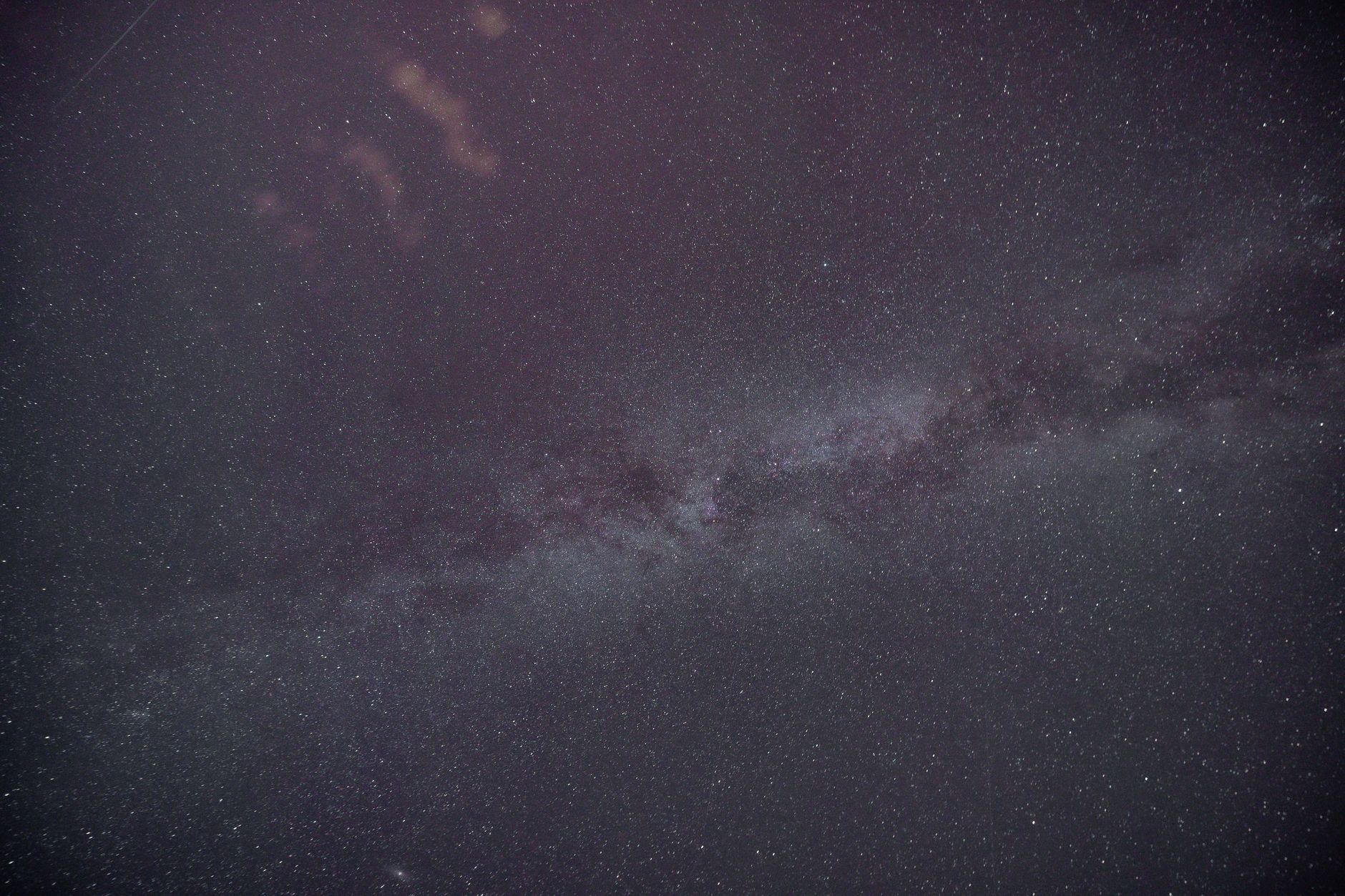
New observations from the James Webb Space Telescope combined with multiple observations from the Hubble Space Telescope have provided unprecedented insights into the milky way formation. The research, led by Giorgia Zullo, a PhD student at the University of Bologna in Italy, has definitively shown that Terzan 5 is not a globular star cluster as it was once classified, but rather a self-contained, self-enriching stellar system that contains up to four distinct star populations.
This discovery has significant implications for our understanding of how galaxies like our own form and evolve over time. The fact that Terzan 5 has been able to retain its separate identity while lighter weight systems spread out and mixed to form the bulge billions of years ago is a remarkable finding. It suggests that the progenitor of Terzan 5 had enough mass to retain the necessary raw materials for star formation, allowing new generations of stars to form over billions of years.
Milky Way Formation: A Complex History
The history of milky way formation is complex and not yet fully understood. However, with the help of powerful telescopes like the James Webb Space Telescope and the Hubble Space Telescope, researchers are able to piece together the puzzle of how our galaxy came to be. The discovery of Terzan 5 and its four distinct star populations is a significant step forward in this endeavor.
The four generations of stars discovered in Terzan 5 are a result of the system’s ability to retain the necessary raw materials for star formation. The research team found strong evidence for two more stellar populations, one that formed 3.8 billion years ago and another only 2.5 billion years ago. They also were able to determine the ages of the previously known stellar populations with unprecedented precision, finding that they formed 12.5 billion and 4.7 billion years ago.
Terzan 5: A Relic of the Milky Way’s Formation
Terzan 5 is a relic of the milky way formation, a remnant of a much more massive stellar system that initially formed 12.5 billion years ago. The fact that it has survived and never merged or fully mixed with the Milky Way’s bulge is a remarkable finding. It suggests that the system was able to retain its separate identity while lighter weight systems spread out and mixed to form the bulge billions of years ago.
The discovery of Terzan 5 and its four distinct star populations has significant implications for our understanding of how galaxies like our own form and evolve over time. It provides a unique window into the early history of the Milky Way, allowing researchers to study the formation and evolution of the galaxy in unprecedented detail.
Implications for Galaxy Formation
The discovery of Terzan 5 and its four distinct star populations has significant implications for our understanding of galaxy formation. It suggests that the central bulges of galaxies may have formed through the merger of smaller stellar systems, rather than through the collapse of a single massive cloud of gas and dust. This has significant implications for our understanding of the formation and evolution of galaxies, and highlights the importance of continued research into the history of the Milky Way.
- The discovery of Terzan 5 and its four distinct star populations provides a unique window into the early history of the Milky Way.
- The system’s ability to retain its separate identity while lighter weight systems spread out and mixed to form the bulge billions of years ago is a remarkable finding.
- The discovery has significant implications for our understanding of how galaxies like our own form and evolve over time.
- The research highlights the importance of continued research into the history of the Milky Way.
Conclusion
In conclusion, the discovery of Terzan 5 and its four distinct star populations is a significant step forward in our understanding of milky way formation. The research provides a unique window into the early history of the Milky Way, allowing researchers to study the formation and evolution of the galaxy in unprecedented detail. The implications of the discovery are significant, and highlight the importance of continued research into the history of the Milky Way.
Source: science.nasa.gov.






Be First to Comment