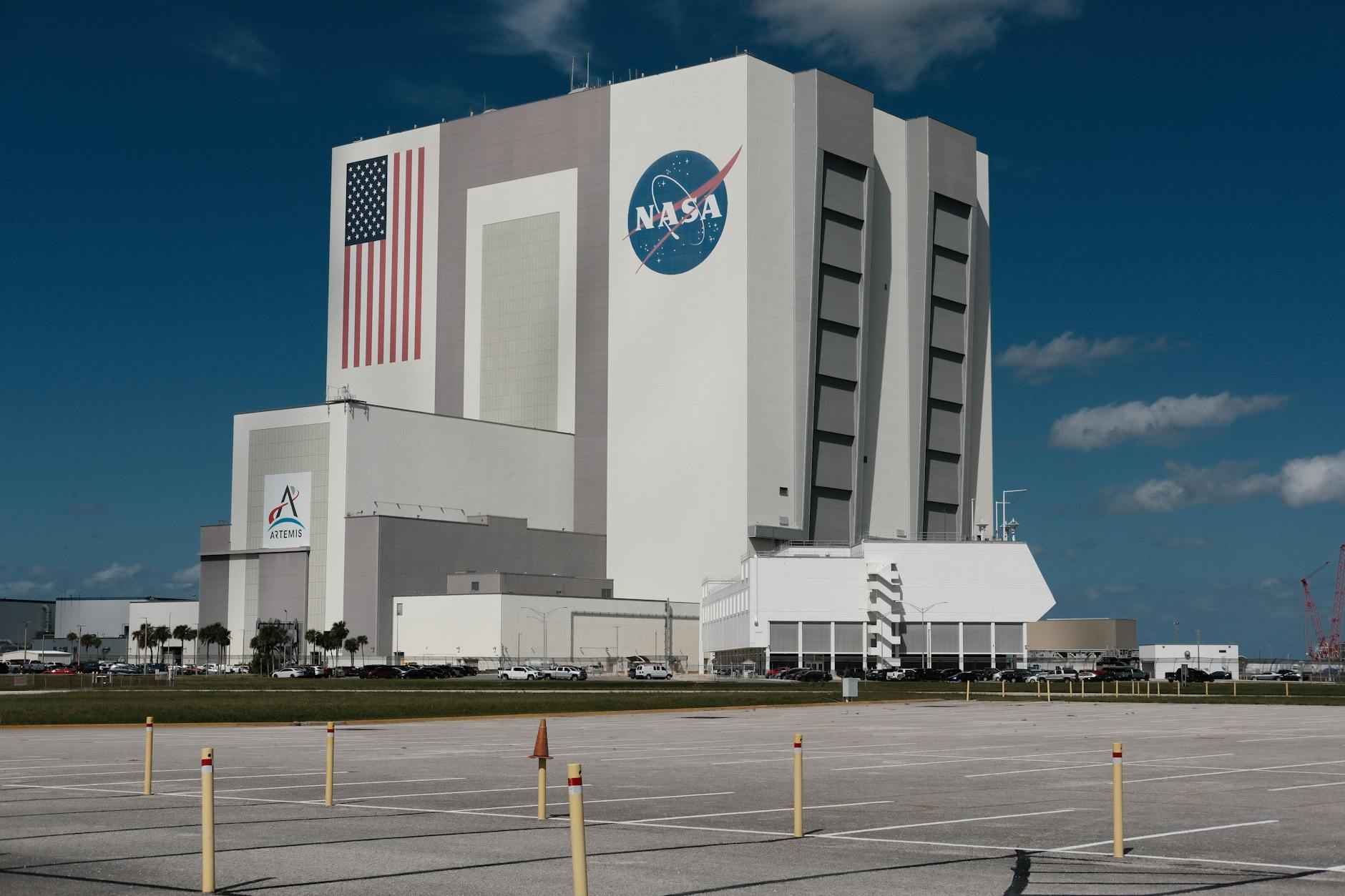
The National Aeronautics and Space Administration (NASA) has taken another step towards one of the most complex manned missions in recent history by offering new details about Artemis III and announcing the four main crew members and a backup for this test flight.
Artemis III Mission Overview
In 2027, the mission will conduct a series of demanding tests near Earth that are essential for Artemis IV, the first manned mission to the Moon’s South Pole, scheduled for 2028. The Space Launch System (SLS) rocket will launch the Orion spacecraft and its crew from the Kennedy Space Center in Florida into low Earth orbit.
After checking the Orion systems, the spacecraft will demonstrate its rendezvous and docking capabilities with test versions of one or both US commercial human landing systems, being developed by Blue Origin and SpaceX. This carefully choreographed mission includes a spectacular campaign of multiple launches of the world’s most powerful rockets and will test the integrated equipment between Orion and the landing modules, as well as system interfaces, software, propulsion, and communications.
Crew Announcement
The astronauts assigned to the crew are NASA astronaut Randy Bresnik, commander; European Space Agency (ESA) astronaut Luca Parmitano, pilot; NASA astronaut Andre Douglas, mission specialist; and NASA astronaut Frank Rubio, mission specialist. During the event, NASA astronaut Bob Hines was named as a backup crew member.
The crew will begin training immediately on the Orion spacecraft systems and will also collaborate on the development and operations of the test versions of the Blue Origin and SpaceX landing modules. This is also the first time an ESA astronaut has been assigned to an Artemis mission.
Mission Objectives and Preparations
The mission will demonstrate the power of US innovation and international collaboration while testing complex rendezvous and docking operations and advancing technologies that will one day take humans further into the solar system. The NASA and its partners are advancing in the preparations for the test flight.
- The engineering teams will connect the Orion crew module and service module and integrate the spacecraft’s docking system, which will fly for the first time.
- The heat shield testing is ongoing, with each block undergoing ultrasonic inspections and being installed on the heat shield structure.
- The rocket processing is also well advanced, with the SLS technicians integrating the engine section with the rest of the core stage before installing the four RS-25 engines this summer.
Blue Origin is developing a manned version of its Blue Moon lunar landing module, while SpaceX is developing a manned lunar landing module version of its Starship spacecraft. Both companies are building test units for Artemis III.
Crew Profiles
This will be the third spaceflight for Bresnik, who was launched aboard the space shuttle Atlantis on the STS-129 mission to the International Space Station in 2009. Parmitano will also be on his third spaceflight, having previously served as a flight engineer on the first long-duration mission of the Italian Space Agency to the space station.
Rubio will be on his second spaceflight, having previously spent 371 days in orbit, the longest single spaceflight by a US astronaut. Douglas will be on his first spaceflight, having been selected as an astronaut candidate in 2021. Hines, the backup crew member, previously served as the pilot on the NASA SpaceX Crew-4 mission to the International Space Station.
Source: nasa.gov.





Be First to Comment