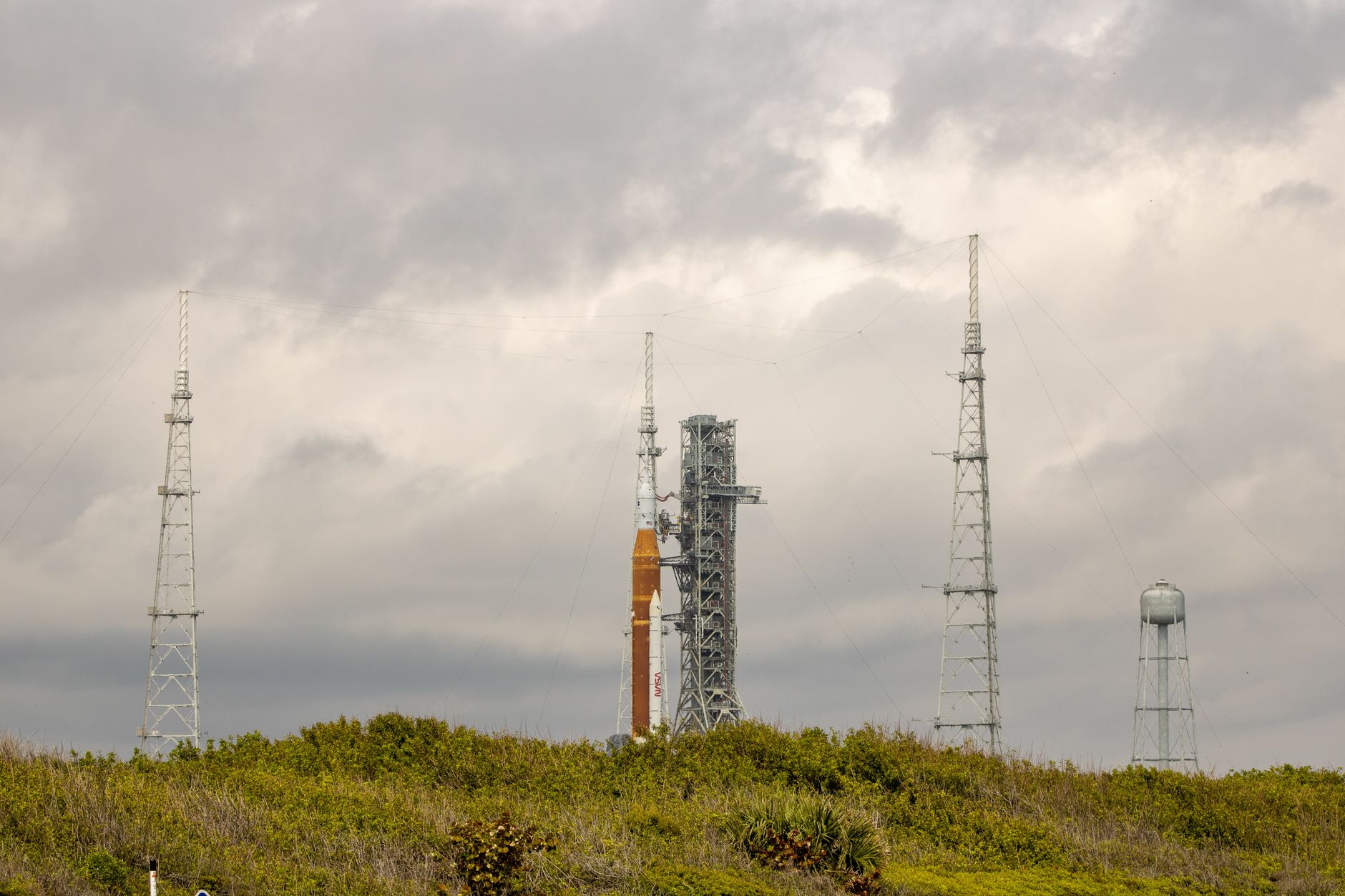
NASA has taken a significant step forward in its plans for lunar exploration with the announcement of the Artemis III crew. This mission, slated for 2027, promises to be one of the most intricate and ambitious space endeavors to date.
Introduction to Artemis III
The Artemis III mission is designed to test the boundaries of lunar exploration, leveraging cutting-edge technology and innovative spacecraft designs. At its core, the mission involves astronauts launching aboard the Orion spacecraft and docking with lunar landers developed by private companies Blue Origin and SpaceX.
This unprecedented docking operation is crucial for the success of the mission, as it will enable the transfer of crew members to the lunar landers, which will then descend to the Moon’s surface. The complexity of this operation cannot be overstated, requiring precise coordination and execution to ensure a safe and successful outcome.
Technical Challenges and Innovations
The Artemis III mission will push the limits of current space technology, necessitating a series of heavy-lift rocket launches and intricate in-space maneuvers. The involvement of both Blue Origin and SpaceX in developing the lunar landers adds an extra layer of complexity, as their designs and operational protocols must be seamlessly integrated into the mission plan.
- Heavy-lift rocket launches will be critical for transporting the necessary payload to the Moon.
- In-space maneuvers will require precise navigation and control systems to ensure successful docking operations.
- The lunar landers must be capable of safely descending to the Moon’s surface and returning to orbit for rendezvous with the Orion spacecraft.
Despite these challenges, the Artemis III mission offers a unique opportunity for technological innovation and advancement. By pushing the boundaries of what is currently possible, NASA and its partners can develop new capabilities and expertise that will be essential for future deep space missions.
Implications for Future Space Exploration
The success of the Artemis III mission will have far-reaching implications for the future of space exploration. By demonstrating the feasibility of complex lunar missions, NASA will be able to build on this experience and plan for even more ambitious endeavors, including crewed missions to Mars.
The development of reusable lunar landers and the refinement of in-space docking operations will also play a critical role in establishing a sustainable human presence on the Moon. This, in turn, will provide a vital stepping stone for further exploration of the solar system, enabling scientists and astronauts to conduct extensive research and gather valuable insights into the workings of the cosmos.
Conclusion and Future Outlook
The announcement of the Artemis III crew marks a significant milestone in NASA’s plans for lunar exploration. As the mission draws closer, the space community will be watching with great interest, eager to see the outcome of this complex and ambitious endeavor.
With its focus on innovation, technological advancement, and pushing the boundaries of what is possible, the Artemis III mission embodies the spirit of space exploration and the unwavering commitment to discovery that has driven human progress for centuries. As we look to the future, one thing is certain – the success of Artemis III will be a crucial step towards a new era of space exploration and discovery.
Source: sciencedaily.com.






Be First to Comment