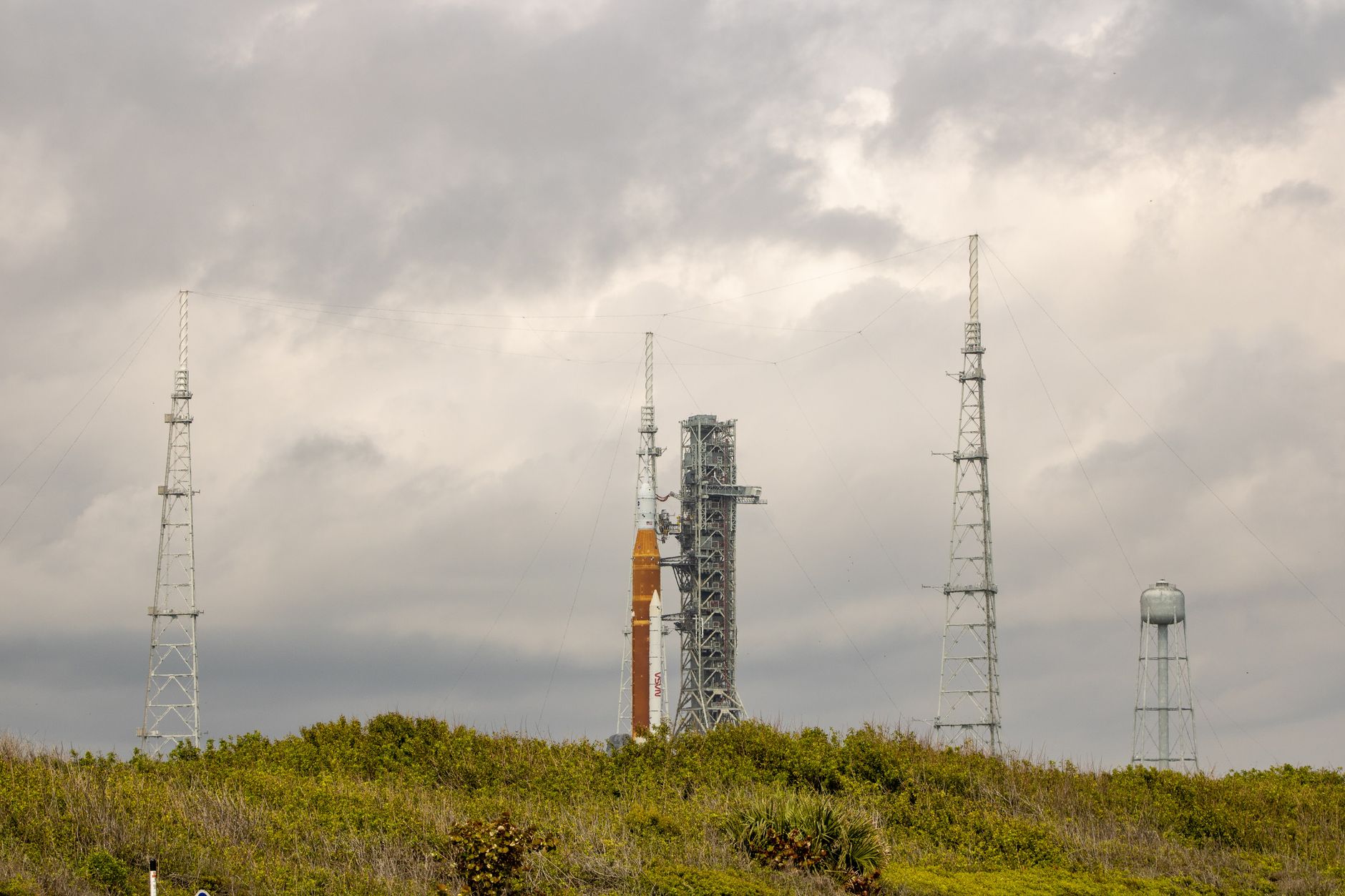
NASA has taken a significant step forward in its plans to return humans to the lunar surface with the announcement of the Artemis III crew members. The mission, scheduled to launch in 2027, will be a crucial test of the Space Launch System (SLS) rocket and the Orion spacecraft.
Meet the Crew
The Artemis III crew will consist of four experienced astronauts: Randy Bresnik, Luca Parmitano, Andre Douglas, and Frank Rubio. Bresnik, a NASA astronaut, will serve as the mission commander. Parmitano, an astronaut with the European Space Agency (ESA), will be the pilot. Douglas and Rubio, both NASA astronauts, will serve as mission specialists.
Bob Hines, a NASA astronaut, has been named as a backup crew member. Hines will train alongside the primary crew and will be ready to join the mission if needed.
Mission Objectives
The Artemis III mission will be a complex and challenging test of the SLS rocket and the Orion spacecraft. The mission will involve a series of rendezvous and docking operations with test versions of commercial human landing systems developed by Blue Origin and SpaceX.
The mission will begin with the launch of the SLS rocket from NASA’s Kennedy Space Center in Florida. The Orion spacecraft will separate from the rocket and enter into low Earth orbit. The spacecraft will then rendezvous with a test version of Blue Origin’s lunar lander, known as the Blue Moon lander.
After completing a series of tests and demonstrations with the Blue Moon lander, the Orion spacecraft will detach and rendezvous with a test version of SpaceX’s Starship. The spacecraft will spend about a day docked with the Starship, conducting tests and demonstrations.
Commercial Partnerships
NASA is working closely with Blue Origin and SpaceX to develop the commercial human landing systems that will be used for the Artemis III mission. Both companies are developing test articles for the mission, which will be used to demonstrate the capabilities of their landers.
NASA is providing support to both companies throughout the design, development, testing, and evaluation of their landers. The agency is sharing its expertise and capabilities gained from previous missions to help the companies overcome the challenges of developing a reliable and efficient lunar lander.
Long-Term Goals
The Artemis III mission is a critical step towards NASA’s long-term goal of establishing a sustainable human presence on the lunar surface. The mission will demonstrate the capabilities of the SLS rocket and the Orion spacecraft, and will test the commercial human landing systems that will be used for future missions.
NASA plans to use the experience and knowledge gained from the Artemis III mission to inform the development of future missions to the lunar surface. The agency is working towards establishing a sustainable human presence on the lunar surface, with the ultimate goal of sending humans to Mars and beyond.
- The Artemis III mission will launch in 2027
- The mission will test the capabilities of the SLS rocket and the Orion spacecraft
- The mission will demonstrate the capabilities of commercial human landing systems developed by Blue Origin and SpaceX
- NASA is working towards establishing a sustainable human presence on the lunar surface
Source: nasa.gov.






Be First to Comment